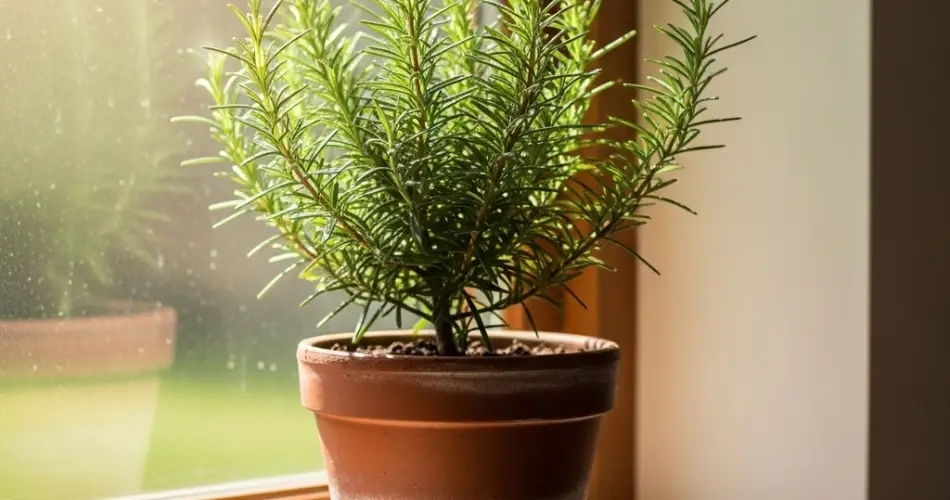
Rosemary is a beautifully aromatic herb that not only adds flavor to your favorite dishes but also brings a fresh, green touch to your home. If you’ve ever wanted to grow your own rosemary but don’t have a garden, don’t worry—you can easily germinate and grow it in containers right on your windowsill. It’s a simple, rewarding process that even beginners can master with a bit of patience and the right conditions.
Why Grow Rosemary Indoors?
Rosemary (Rosmarinus officinalis) is a perennial herb native to the Mediterranean region. It loves warmth, sun, and good airflow—all of which can be recreated indoors on a bright windowsill. Growing rosemary in containers not only gives you access to fresh herbs year-round, but it also allows you to control the environment more easily than outdoors.
Plus, rosemary is drought-tolerant and relatively pest-resistant, making it a great choice for low-maintenance indoor gardening.
Step 1: Gather Your Materials
Before you start, here’s what you’ll need:
-
Rosemary seeds or cuttings
-
Small seed-starting pots or containers with drainage holes
-
Seed-starting mix or light potting soil
-
A spray bottle for gentle watering
-
Clear plastic wrap or a humidity dome (optional)
-
A sunny windowsill that receives 6–8 hours of light daily
You can also use a grow light if your windows don’t get enough direct sunlight.
Step 2: Choose Seeds or Cuttings
Rosemary can be started from either seeds or cuttings. Seeds are slower to germinate and require more patience, sometimes taking 2 to 3 weeks or longer. Cuttings root more quickly and tend to establish faster, so they’re a popular option for home growers.
If starting from seed:
-
Purchase fresh rosemary seeds, as older ones can have low germination rates.
-
Be patient—rosemary seeds can take time to sprout, but the payoff is worth it.
If using cuttings:
-
Snip a healthy 4- to 6-inch stem from an established rosemary plant.
-
Strip the lower leaves and place the cut end in water or directly into moist soil to encourage root development.
-
Cuttings typically root within 2 to 4 weeks.
Step 3: Planting the Seeds or Cuttings
For seeds:
-
Fill your container with damp seed-starting mix.
-
Sow seeds on the surface and lightly press them into the soil, but don’t bury them too deeply.
-
Mist with water and cover the pot with plastic wrap to retain humidity.
-
Place the container on a warm, sunny windowsill.
For cuttings:
-
Dip the cut end in rooting hormone if desired (optional but helpful).
-
Insert the cutting into moist potting soil, about 2 inches deep.
-
Keep the soil lightly moist and cover with a plastic bag to create a greenhouse effect.
Whether using seeds or cuttings, avoid overwatering. Rosemary prefers slightly dry conditions, especially early in growth.
Step 4: Create the Right Conditions
Rosemary thrives in warmth and light. Keep your container in a spot that gets 6–8 hours of sunlight per day. A south-facing window is ideal. If natural light is limited, supplement with a full-spectrum grow light for 12–14 hours daily.
Temperature is also key. Keep the area warm—ideally between 18–24°C (65–75°F). Avoid cold drafts or sudden temperature fluctuations.
Ventilation helps prevent mold, especially if using plastic wrap or humidity domes. Remove coverings once seedlings appear or cuttings begin to root.
Step 5: Transplant and Maintain
Once your rosemary seedlings are a few inches tall or your cuttings have formed strong roots, transplant them into slightly larger containers filled with well-draining potting soil. Clay pots work well for rosemary as they allow the soil to dry more thoroughly between waterings.
Allow the top inch of soil to dry out between waterings. Rosemary doesn’t like soggy roots and can develop root rot if overwatered.
Fertilize lightly once a month during spring and summer with a diluted, balanced liquid fertilizer. Avoid overfeeding—rosemary prefers lean soil conditions.
Step 6: Prune and Harvest
Prune your rosemary lightly to encourage bushy growth. Pinch off the top few inches of the stems regularly to promote branching. You can start harvesting once the plant is well established—usually after a few months.
Always use clean scissors and never take more than a third of the plant at a time. Regular harvesting encourages new growth and keeps the plant healthy.
Step 7: Troubleshooting
-
Slow growth or poor germination? Be patient. Rosemary is naturally slow to start.
-
Wilting or yellow leaves? Check your watering habits—too much water is a common issue.
-
Weak aroma? The scent intensifies as the plant matures and when grown in full sun.
Final Thoughts
Germinating rosemary on your windowsill is a satisfying and practical way to enjoy fresh herbs at home. With just a few materials and a sunny spot, you can grow this fragrant, versatile herb right in your kitchen or living room. Whether you’re using seeds or cuttings, rosemary is a hardy and beautiful addition to any indoor garden—and it’s one that rewards your patience with flavor, aroma, and greenery all year round.


