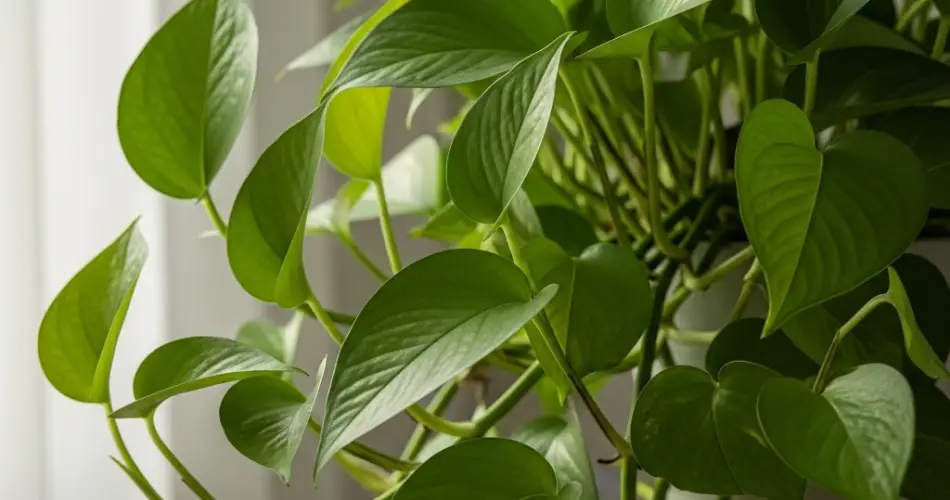
Pothos (Epipremnum aureum), often called devil’s ivy, is one of the most popular and resilient houseplants worldwide. Known for its glossy, heart-shaped leaves and trailing vines, pothos adds lush greenery to any space with minimal effort. While pothos doesn’t produce flowers indoors, its vibrant foliage is prized and can be maintained year-round with the right care, starting from successful germination and propagation.
This article guides you through germinating pothos from cuttings and nurturing it to maintain vibrant, healthy growth all year long.
Understanding Pothos Propagation
Pothos plants are commonly propagated through stem cuttings rather than from seeds, as seeds are rarely available or practical for home gardeners. Propagating from cuttings is straightforward, economical, and highly effective, allowing you to multiply your plants quickly.
Step 1: Selecting Healthy Cuttings
Choose healthy, mature vines from an existing pothos plant. Each cutting should be 4 to 6 inches long and include at least 3 to 4 leaves. Most importantly, ensure that your cutting has one or more nodes—the small bumps on the stem where roots will emerge.
Step 2: Preparing the Cuttings
-
Using clean, sharp scissors or pruning shears, cut just below a node.
-
Remove the leaf closest to the cut end to expose the node clearly. This helps the cutting focus energy on root development.
-
Optionally, let the cuttings dry for a few hours to form a callus, which helps prevent rot during rooting.
Step 3: Rooting Your Pothos Cuttings
There are two popular methods to root pothos cuttings: water propagation and soil propagation.
Water Propagation
-
Place the cuttings in a glass or jar filled with clean, room-temperature water.
-
Ensure that the nodes are submerged but the leaves remain above water.
-
Place the container in bright, indirect light.
-
Change the water every 5 to 7 days to keep it fresh and oxygenated.
-
Roots typically begin forming within 2 to 4 weeks.
-
Once roots reach 2 to 3 inches in length, transplant the cuttings into pots filled with well-draining soil.
Soil Propagation
-
Fill small pots with a moist, well-draining potting mix.
-
Insert the cuttings into the soil so that at least one node is buried.
-
Water lightly to settle the soil around the cutting.
-
Cover the pot with a plastic bag or dome to maintain humidity.
-
Keep the soil moist but not waterlogged.
-
Roots should develop within 3 to 5 weeks.
Step 4: Potting and Care for Vibrant Growth
Once rooted, proper care is essential for vibrant, year-round foliage.
Light Requirements
Pothos thrives in bright, indirect light. While it can tolerate low light, brighter conditions promote fuller growth and enhance leaf variegation. Avoid direct sunlight, which can scorch the leaves.
Watering Routine
Water pothos when the top 1-2 inches of soil feel dry. Overwatering can lead to root rot, so ensure your pot has drainage holes to allow excess water to escape.
Temperature and Humidity
Ideal temperatures range from 65°F to 85°F (18°C to 29°C). Pothos enjoys moderate to high humidity. In dry environments, occasional misting or a humidity tray can boost growth and prevent leaf browning.
Feeding
Fertilize your pothos monthly during the growing season (spring and summer) with a balanced, water-soluble fertilizer diluted to half strength. Reduce feeding in fall and winter when the plant’s growth slows.
Step 5: Pruning and Maintenance
Regular pruning keeps your pothos lush and encourages bushier growth.
-
Trim long, leggy vines to maintain shape.
-
Remove yellow or damaged leaves promptly.
-
Pinch or cut just above a leaf node to stimulate branching.
-
Use cuttings from pruning to propagate new plants.
Common Issues and How to Avoid Them
-
Yellow leaves: Often due to overwatering or poor drainage.
-
Brown leaf tips: May indicate underwatering, low humidity, or excessive direct sunlight.
-
Leggy growth: Caused by insufficient light.
-
Pests: Watch for spider mites, mealybugs, and aphids; treat infestations early with insecticidal soap or neem oil.
Benefits of Growing Pothos Indoors
-
Air purification: Pothos helps filter common indoor toxins.
-
Easy maintenance: Requires minimal care and tolerates a variety of conditions.
-
Aesthetic appeal: Adds greenery and life to any room.
-
Versatility: Grows well in hanging baskets, containers, or trained on supports.
Conclusion
While pothos may not bloom indoors, germinating and growing it properly will ensure lush, vibrant foliage all year long. Propagating from healthy cuttings is simple and effective, and with the right care—adequate light, watering, feeding, and pruning—your pothos will thrive as a stunning houseplant.
By following these steps, you can enjoy the beauty and air-purifying benefits of pothos in your home or office space, creating a green oasis that lasts through every season.


