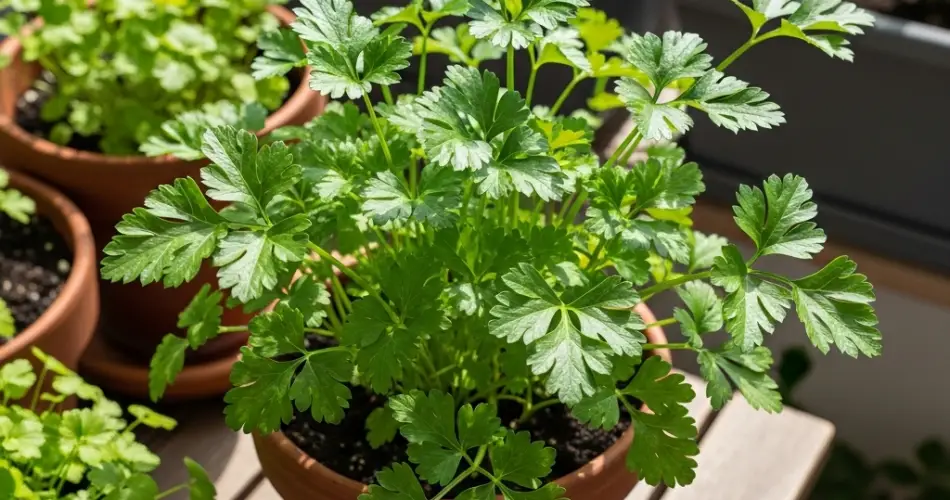
Parsley is a versatile and popular herb found in many kitchens around the world. Its fresh, vibrant flavor adds a bright touch to salads, soups, and sauces. While you can easily buy parsley at the store, growing your own parsley from seed is far more rewarding—and it ensures a fresh, continuous supply right at your fingertips. The challenge, however, is that parsley seeds notoriously take a long time to germinate, sometimes two to three weeks or more, which can be frustrating for gardeners eager to see quick results.
Fortunately, with the right techniques and care, you can significantly speed up parsley seed germination and grow healthy, stunning parsley plants in record time. This guide covers everything from seed selection to planting, care, and harvesting to help you get the most out of your parsley-growing efforts.
Why Grow Parsley from Seed?
Growing parsley from seed allows you to:
-
Choose your favorite parsley variety, such as curly or flat-leaf (Italian) parsley.
-
Control growing conditions for organic and pesticide-free herbs.
-
Save money by growing many plants from a single packet of seeds.
-
Enjoy fresh, flavorful parsley whenever you need it.
Parsley is a biennial herb, typically grown as an annual. It prefers cool weather and rich soil, making it a great plant for spring and fall gardens or indoor herb gardens year-round.
Tips for Selecting Quality Parsley Seeds
To ensure fast and successful germination, start with fresh, high-quality seeds from a reliable source. Older seeds may have reduced germination rates or take longer to sprout. If possible, check the seed packet for a recent harvest date or choose seeds labeled “high germination rate.”
Step-by-Step Guide to Germinating Parsley Seeds Quickly
1. Soak Seeds Overnight
Parsley seeds have a hard outer shell, which slows water absorption and delays germination. To jump-start the process, soak your seeds in warm water for 12 to 24 hours before planting. This softens the seed coat and encourages faster sprouting.
2. Prepare the Growing Medium
Parsley thrives in rich, well-draining soil with plenty of organic matter. Use a quality seed-starting mix or a mix of compost and potting soil. Fill seed trays or small pots with the soil, gently firming it without compacting.
3. Sow Seeds Properly
Plant parsley seeds about 1/4 inch deep in the soil. You can sow multiple seeds per pot or tray cell but plan to thin seedlings later. Lightly cover the seeds with soil and mist with water to moisten.
4. Provide Ideal Germination Conditions
Parsley seeds germinate best in temperatures between 70-75°F (21-24°C). Maintain consistent moisture without waterlogging the soil. Covering your seed tray with a clear plastic dome or plastic wrap helps retain humidity, which speeds germination.
Place the seeds in a warm, bright location but out of direct sunlight, which can dry out the soil or overheat the seedlings.
5. Be Patient but Watch Closely
Even with optimal care, parsley seeds usually take 10 to 21 days to germinate. During this time, keep the soil moist and check daily for sprouts. Remove the plastic cover as soon as you see seedlings to prevent mold growth.
Caring for Parsley Seedlings
Once your parsley seedlings emerge, they need the right care to grow into healthy plants quickly.
-
Light: Provide 10-12 hours of bright, indirect sunlight daily. If growing indoors, supplement with fluorescent or LED grow lights.
-
Water: Keep soil evenly moist but not soggy. Parsley doesn’t like to dry out completely.
-
Temperature: Maintain daytime temperatures between 65-75°F (18-24°C) and avoid cold drafts.
-
Thinning: When seedlings develop 2-3 sets of true leaves, thin them by snipping the weaker ones at soil level to leave about 2-3 inches between plants.
-
Feeding: After seedlings are established, apply a balanced, water-soluble fertilizer every 2-3 weeks for vigorous growth.
Transplanting Parsley Outdoors or to Larger Pots
If you started parsley indoors, gradually acclimate seedlings to outdoor conditions by hardening them off—placing them outside for a few hours daily over 7-10 days.
Plant parsley in a sunny or partially shaded spot with well-draining soil amended with compost. Space plants about 6-8 inches apart to allow airflow and growth.
If growing indoors, transplant seedlings into larger pots once they have several sets of leaves and roots fill their current container.
Harvesting Parsley for Maximum Flavor and Growth
Begin harvesting parsley once the plants are about 6 inches tall. Cut outer leaves first, leaving the inner growth intact. Regular harvesting encourages bushier, fuller plants.
Avoid cutting more than one-third of the plant at once to maintain health. Freshly harvested parsley can be stored in the fridge for up to a week or dried for longer use.
Additional Tips for Fast and Healthy Parsley Growth
-
Avoid overwatering: Parsley likes moist soil but hates soggy roots.
-
Mulch: Applying a thin mulch layer outdoors helps retain soil moisture and regulate temperature.
-
Pest control: Watch for aphids and slugs; treat infestations early with natural remedies or insecticidal soap.
-
Companion planting: Parsley grows well near tomatoes, carrots, and asparagus, which can help boost growth.
Conclusion
While parsley seed germination traditionally takes patience, you can speed up the process by soaking seeds, providing ideal warmth, moisture, and light conditions. With proper care from seed to transplant and regular harvesting, you’ll soon enjoy a stunning, healthy parsley plant that enhances your culinary creations.
Whether you grow parsley indoors on a sunny windowsill or in your outdoor garden, these tips will help you achieve lush, flavorful results in record time—turning your kitchen garden dreams into reality.


