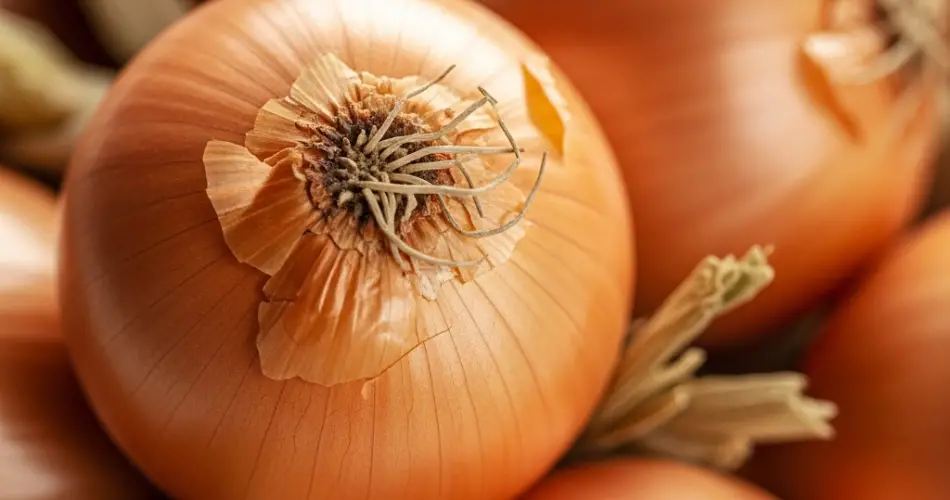
Onions are a staple in kitchens worldwide and a rewarding crop to grow in your garden or urban farm. Starting onions from seeds might seem challenging at first, but with the right steps, you can achieve strong, healthy seedlings ready to transplant. This guide will walk you through the entire process of germinating onion seeds, so you can enjoy fresh, homegrown onions all year round.
Why Grow Onions from Seeds?
Growing onions from seeds offers several advantages:
-
Wider variety selection: Seeds allow you to choose from numerous onion varieties, including those not available as seedlings or sets.
-
Cost-effective: Seeds are generally less expensive than buying established plants.
-
Control over growth: You start with a healthy seedling and avoid pests or diseases that sometimes come with store-bought plants.
While it takes patience, the results are worth it.
When to Start Onion Seeds
Onions require a long growing season, usually 90 to 120 days. Start seeds indoors about 8–12 weeks before the last expected frost in your area. This gives seedlings time to develop before transplanting outside.
If you live in a mild climate, you may also sow seeds directly outdoors once the soil can be worked, but starting indoors generally yields better results.
Materials Needed
-
Onion seeds (choose a variety suitable for your region)
-
Seed-starting trays or small pots with drainage holes
-
Seed-starting mix or a light, well-draining potting soil
-
Spray bottle or gentle watering can
-
Plastic wrap or a humidity dome (optional)
-
Grow lights or a sunny window with at least 12 hours of light
Step-by-Step Onion Seed Germination Process
Step 1: Prepare Your Containers
Fill your seed trays or pots with seed-starting mix. Avoid regular garden soil, which can be heavy and may contain pests or diseases. Moisten the soil slightly before planting seeds.
Step 2: Sow the Seeds
Scatter onion seeds thinly on the soil surface. Onion seeds are tiny, so sow them sparingly to avoid overcrowding. Cover the seeds lightly with a thin layer (about 0.5 cm or ¼ inch) of seed-starting mix or fine soil.
Step 3: Create a Warm and Moist Environment
Onion seeds germinate best at temperatures between 20°C and 25°C (68°F to 77°F). Keep the soil consistently moist but not waterlogged. Use a spray bottle to mist the surface gently.
Cover the trays with plastic wrap or a humidity dome to retain moisture and warmth, but remove it once seedlings appear to prevent mold.
Step 4: Provide Adequate Light
Once seeds sprout (usually in 7–14 days), they need plenty of light to grow strong. Place seedlings near a bright window or under grow lights for 12–14 hours daily. Without enough light, seedlings become leggy and weak.
Step 5: Thin the Seedlings
When seedlings develop their first true leaves (after the initial seed leaves), thin them to avoid overcrowding. Remove the weaker seedlings, leaving about 2–3 cm (1 inch) between each plant. This gives remaining onions room to grow.
Step 6: Harden Off Before Transplanting
About 1–2 weeks before planting seedlings outdoors, begin hardening them off. Gradually expose the plants to outdoor conditions, starting with a few hours in a shaded spot and increasing sunlight and time over several days. This process strengthens the plants and reduces transplant shock.
Transplanting Your Onion Seedlings
Choose a sunny spot with well-drained soil for your onion bed. Work in organic compost or well-rotted manure to enrich the soil.
Space onion seedlings about 10–15 cm (4–6 inches) apart in rows 30 cm (12 inches) apart. Plant seedlings so that the base of the plant is just below the soil surface.
Water immediately after transplanting and keep the soil moist while the plants establish.
Ongoing Care for Growing Onions
-
Watering: Onions need consistent moisture, especially during bulb formation. Avoid waterlogging.
-
Fertilizing: Feed plants with a balanced fertilizer every few weeks to encourage healthy growth.
-
Weeding: Keep beds free of weeds, which compete for nutrients.
-
Pest and disease control: Monitor for onion maggots, thrips, and fungal diseases. Use organic treatments as needed.
Harvesting Your Onions
Onions are ready to harvest when the tops start to yellow and fall over. Pull the bulbs carefully, and allow them to cure in a dry, airy place for a few weeks before storage.
Common Challenges and Tips
-
Poor germination: Ensure seeds are fresh and soil remains moist.
-
Leggy seedlings: Provide enough light from the start.
-
Overwatering: Avoid soggy soil to prevent root rot.
-
Temperature fluctuations: Keep indoor seedlings in a stable, warm environment.
Final Thoughts
Growing onions from seed requires some patience, but by following these simple steps, you can enjoy a successful crop of homegrown onions. The key is starting with good-quality seeds, providing consistent moisture and warmth, and giving seedlings plenty of light. With proper care, your onion plants will develop strong roots and healthy bulbs to enhance your cooking and garden.
By germinating your own onion seeds, you not only save money but also gain the satisfaction of nurturing plants from tiny seeds to flavorful harvests.


