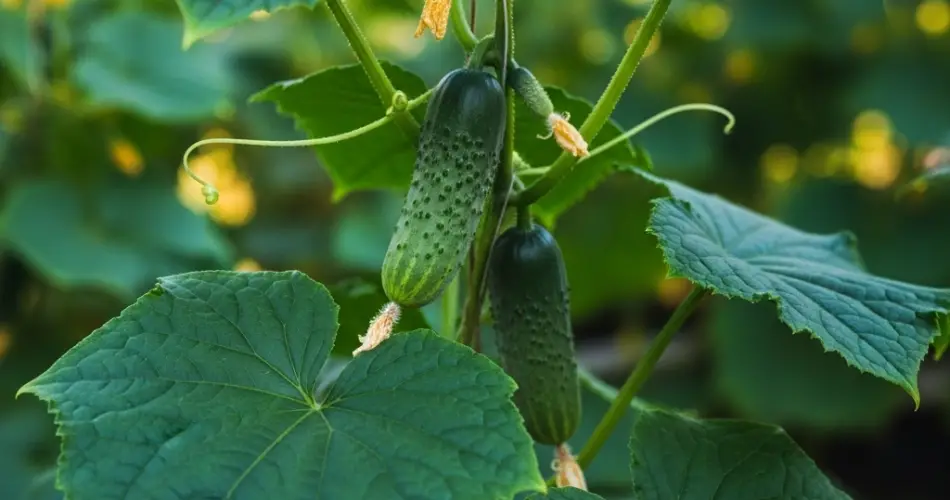
If you’ve never grown a plant before but want to start a small garden, cucumbers are an excellent choice. They’re quick to germinate, easy to grow, and perfect for beginners. Whether you’re aiming to grow them in a garden bed, a pot on the balcony, or even on a sunny windowsill, germinating cucumbers is a straightforward process that anyone can master.
In this step-by-step guide, you’ll learn how to germinate cucumber seeds successfully—even if you’ve never touched soil before.
1. Choose the Right Seeds
Start by selecting cucumber seeds suited to your growing space. There are two main types:
-
Vining cucumbers: These grow long and need space to sprawl or climb.
-
Bush cucumbers: Compact and ideal for containers or small spaces.
Look for seed packets labeled as disease-resistant or beginner-friendly. Some common varieties for new gardeners include ‘Marketmore,’ ‘Bush Champion,’ and ‘Straight Eight.’
2. Gather Basic Supplies
You don’t need fancy tools to get started. Here’s what you’ll need:
-
Cucumber seeds
-
Small pots, seed trays, or recycled containers with drainage holes
-
Seed-starting mix or light potting soil
-
A spray bottle or watering can
-
Plastic wrap or a humidity dome (optional)
-
A warm, bright place like a sunny windowsill
If you don’t have a seed tray, yogurt cups or paper cups with holes poked in the bottom work just as well.
3. Soak the Seeds (Optional but Helpful)
While not required, soaking cucumber seeds in warm water for 6–12 hours before planting can speed up germination. It softens the seed coat and encourages quicker sprouting. Just don’t soak them too long—overnight is enough.
4. Fill Your Containers
Use a light, well-draining seed-starting mix. These mixes are fine-textured and hold moisture without becoming soggy. Avoid using garden soil, which is too heavy and may compact in small containers.
Fill each container about three-quarters full with the seed mix. Moisten the soil slightly so it’s damp but not soaking wet.
5. Plant the Seeds
Cucumber seeds are large enough to handle easily. Plant one seed per pot, pushing it about ½ inch (1.25 cm) deep into the soil. Cover lightly and press gently to ensure contact with the soil.
If you’re using a seed tray, space the seeds so they have room to sprout and grow a few leaves before transplanting.
6. Keep Warm and Moist
Cucumber seeds germinate best in warm temperatures between 70°F and 85°F (21°C to 29°C). Place your containers in a warm, bright location like a sunny windowsill or near a heat source.
To maintain humidity and warmth, cover the containers with plastic wrap or a humidity dome. This creates a mini greenhouse effect. Just remember to lift the cover daily for a few minutes to let in fresh air and prevent mold.
Water gently with a spray bottle or a fine-tipped watering can whenever the soil feels dry on top. Keep the soil consistently moist but never soggy.
7. Watch for Sprouts
Cucumber seeds usually germinate in 3 to 10 days, depending on temperature and moisture. As soon as the seedlings appear, remove any covering and move them to the brightest spot you have.
Cucumbers love sunlight—aim for at least 6–8 hours of direct sunlight per day. If natural light is limited, consider using a grow light to support strong, healthy growth.
8. Care for Seedlings
Once the first true leaves (the second set of leaves) appear, you can start thinking about transplanting or thinning out extra seedlings. If you planted multiple seeds in one pot, gently snip the weaker seedlings at the base to avoid disturbing the strongest one.
When the seedlings are about 4 inches (10 cm) tall and have at least two sets of leaves, they’re ready to be transplanted into larger pots or your garden bed—after hardening them off.
9. Harden Off Before Transplanting Outdoors
If you plan to move your cucumber plants outside, don’t rush. Sudden exposure to wind, sun, and cooler temperatures can shock the seedlings.
Start by placing them outdoors in a shaded, sheltered area for a few hours a day. Gradually increase their time outside over the course of a week, exposing them to more light and air each day. After this adjustment period, you can safely plant them in their final location.
Final Thoughts
Germinating cucumbers is a beginner-friendly gardening project that offers quick results and satisfying progress. With just a few supplies and some basic care, you can go from seed to sprout in under a week. No prior gardening experience? No problem. The key is to start small, be consistent, and enjoy the process.
Cucumbers are not only fun to grow but also delicious and refreshing in salads, sandwiches, and summer drinks. Start with germination, and before long, you’ll be harvesting your own homegrown cucumbers—no green thumb required.