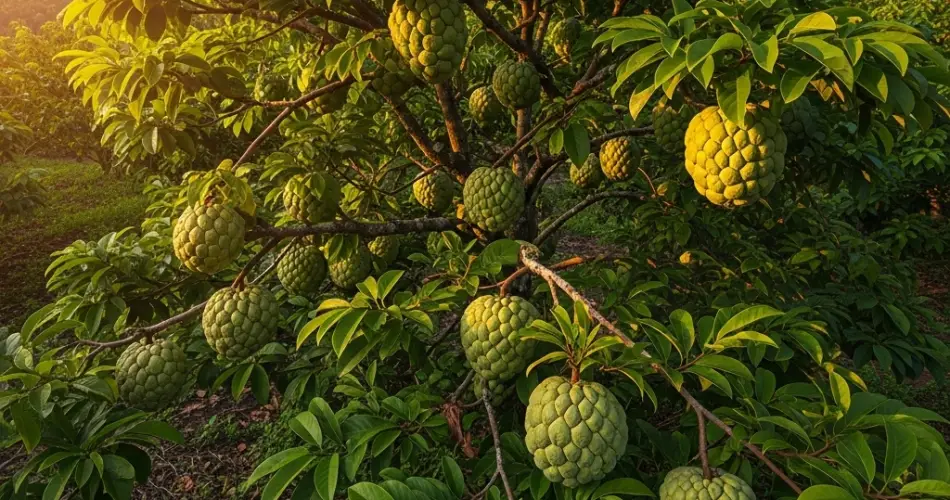
Cherimoya (Annona cherimola), often called the custard apple, is a tropical fruit tree prized for its delicious, creamy fruit and attractive foliage. Native to the Andean valleys of South America, cherimoya trees are now cultivated in many subtropical and mild temperate regions around the world. Growing cherimoya from seed is a rewarding process, allowing gardeners to experience the full life cycle of this fascinating fruit tree.
This article will guide you through the steps to successfully germinate cherimoya seeds and care for the young tree through its cultivation stages.
Step 1: Selecting and Preparing Cherimoya Seeds
Starting with healthy seeds is crucial for successful germination. When selecting seeds:
-
Choose fresh seeds from a ripe cherimoya fruit. Seeds from old or dried fruits may lose viability.
-
Clean the seeds thoroughly by removing any fruit pulp, then rinse them with water.
-
Dry the seeds on a paper towel for a day to reduce excess moisture.
Step 2: Germinating Cherimoya Seeds
Cherimoya seeds require warmth and moisture to germinate, and the process typically takes 2 to 6 weeks.
Germination instructions:
-
Soak the seeds: Soak seeds in warm water for 24 hours to soften the seed coat and speed germination.
-
Prepare the medium: Use a well-draining seed-starting mix or a blend of peat moss and perlite.
-
Planting depth: Sow seeds about 1 inch deep in seed trays or small pots.
-
Temperature: Maintain soil temperatures between 70°F and 85°F (21°C to 29°C) for optimal germination.
-
Moisture: Keep the soil moist but not soggy by misting regularly or covering the pots with plastic wrap to retain humidity.
-
Light: Place pots in a bright location but avoid direct sunlight until seedlings emerge.
Once the seeds germinate, small shoots will emerge, signaling the beginning of your cherimoya tree’s growth.
Step 3: Transplanting Seedlings
When seedlings develop their first true leaves and grow to about 4 to 6 inches tall, they are ready to be transplanted into larger pots or outdoors if climate conditions allow.
-
Choose a location with well-draining soil and good sunlight exposure—cherimoya trees prefer full sun but can tolerate some partial shade.
-
Space plants about 10 to 15 feet apart if planting multiple trees.
-
Use fertile, loamy soil enriched with organic matter for best growth.
-
Water the seedlings immediately after transplanting to reduce transplant shock.
Step 4: Caring for the Cherimoya Tree
Proper care is essential for cherimoya trees to grow healthy and produce abundant fruit.
Watering
Young cherimoya trees need regular watering to establish roots. Keep the soil consistently moist but avoid waterlogging. Mature trees tolerate some drought but produce better fruit with consistent moisture.
Soil and Fertilization
Cherimoyas prefer slightly acidic to neutral soil (pH 6.0–7.0). Fertilize your tree with a balanced fertilizer containing nitrogen, phosphorus, and potassium every 2 to 3 months during the growing season. Organic compost and mulch can also improve soil fertility and moisture retention.
Pruning
Prune cherimoya trees to maintain shape and promote airflow, reducing disease risk. Remove dead or damaged branches annually and thin out crowded areas to encourage sunlight penetration.
Temperature and Climate
Cherimoya trees thrive in subtropical climates with mild winters and warm summers. They tolerate temperatures down to about 28°F (-2°C) but prolonged frost can damage young trees. If you live in cooler regions, consider growing cherimoya in large pots that can be moved indoors during winter.
Step 5: Pest and Disease Management
Cherimoya trees can be vulnerable to pests such as aphids, scale insects, and mealybugs. Regularly inspect your plants and use insecticidal soap or neem oil for treatment if needed.
Fungal diseases like powdery mildew and root rot can occur if humidity is too high or drainage is poor. Ensure good air circulation and avoid overwatering to prevent these problems.
Step 6: Flowering and Fruit Development
Cherimoya trees usually begin flowering 3 to 5 years after planting from seed. Flowers are unique and pollination can be challenging because they require a specific timing sequence and sometimes hand-pollination.
Once pollinated, the tree develops large, heart-shaped fruits that mature in about 5 to 8 months. The fruit is ready to harvest when it turns slightly soft to the touch and gives off a sweet aroma.
Additional Tips for Successful Cherimoya Cultivation
-
Hand Pollination: Because natural pollinators may be scarce in some areas, hand-pollination can improve fruit set. Use a small brush to transfer pollen from male to female flowers.
-
Mulching: Applying mulch around the base conserves moisture, suppresses weeds, and moderates soil temperature.
-
Protecting Young Trees: Use shade cloths during hot afternoons or frost cloths during cold snaps to protect tender young trees.
-
Patience: Growing cherimoya from seed requires patience, but the reward of fresh homegrown fruit is worth the wait.
Conclusion
Germinating cherimoya seeds and cultivating a healthy cherimoya tree is a fulfilling gardening journey. By providing the right conditions from seed to harvest—warmth, moisture, well-draining soil, and attentive care—you can enjoy this exotic fruit’s sweet, creamy flavor right from your own garden.
Whether you’re an experienced gardener or a curious beginner, growing cherimoya offers a unique opportunity to connect with nature and expand your tropical fruit collection.


