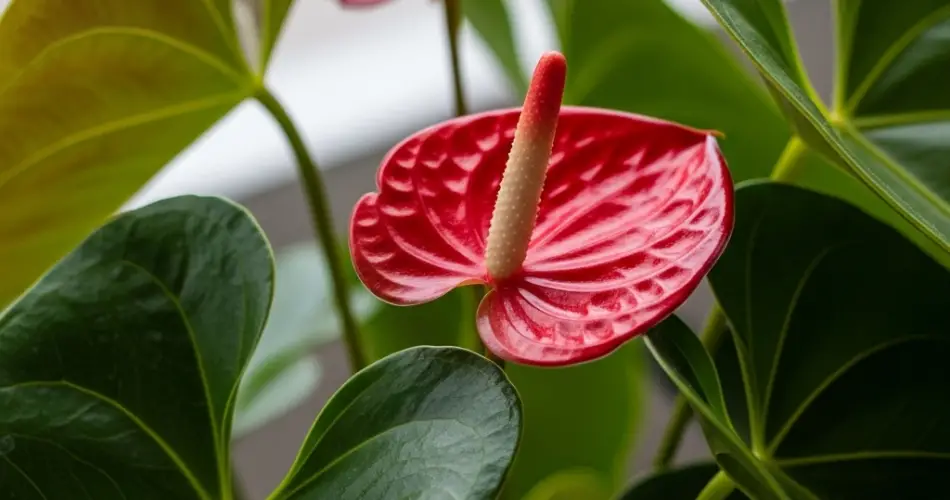
Anthuriums, with their striking, heart-shaped spathes and glossy green foliage, are among the most stunning tropical plants you can grow. While many people purchase mature plants, growing anthuriums from seed can be an incredibly rewarding experience—especially if you’re aiming for continuous, vibrant blooms year-round.
Although they’re not the easiest plants to germinate, with a bit of patience and the right conditions, anyone can start anthuriums from seed—even beginners. Here’s how to do it from start to bloom.
Understanding Anthurium Seeds
Anthurium seeds are quite different from common flower or vegetable seeds. They are tiny, soft, and embedded inside the plant’s berries, which develop after pollination. If you have a flowering plant already, you may be able to collect seeds yourself, or you can purchase fresh seeds from a trusted tropical plant supplier.
Tip: Freshness is key. Anthurium seeds lose viability quickly, so use them as soon as possible for the best germination results.
Step 1: Prepare Your Seeds
If harvesting seeds from your own plant, you’ll need to extract them from ripe berries:
-
Wait until the berries turn soft and deep in color (often orange, red, or purple, depending on the variety).
-
Gently squeeze out the seeds and remove the sticky pulp by rinsing them under lukewarm water.
-
Soak the seeds in a diluted hydrogen peroxide solution (1 part peroxide to 10 parts water) for about 10 minutes. This helps prevent fungal growth.
Dry the seeds slightly on a paper towel—but don’t let them dry out completely.
Step 2: Create the Ideal Germination Environment
Anthuriums are native to tropical rainforests, so their seeds need warmth, humidity, and sterile conditions to germinate successfully.
Germination Medium Options:
-
Moistened sphagnum moss
-
A mix of coconut coir and perlite
-
Sterile seed-starting mix with excellent drainage
Spread the moistened medium into a shallow tray or container with a lid (a clear plastic container or seedling dome works perfectly).
Place the seeds on top—don’t bury them. Press them lightly into the surface to ensure contact with moisture.
Step 3: Provide Consistent Heat and Humidity
Place the seed tray in a warm spot with indirect light. The ideal temperature range for germination is 75–85°F (24–29°C). Use a heat mat if necessary, especially in cooler environments.
Maintain high humidity—at least 70%. You can:
-
Cover the container with a clear plastic lid
-
Mist the seeds lightly once a day
-
Keep the container in a greenhouse or terrarium-like setup
Be careful not to overwater. Excess moisture without airflow can cause mold. Ventilate the container daily to allow fresh air to circulate.
Step 4: Wait and Monitor
Anthurium seeds usually begin to germinate within 1 to 2 weeks, though some may take longer. You’ll notice tiny roots and eventually the first green shoots emerging.
Once seedlings have developed their first set of true leaves (not just the initial sprout), you can transplant them into individual pots.
Use a well-draining, airy orchid mix—such as a combination of:
-
Pine bark
-
Perlite
-
Charcoal
-
A bit of coconut coir or peat
Step 5: Transition to Long-Term Care
As your seedlings grow, they need more light and airflow but should still be protected from direct sun and drafts. Place the young plants in bright, indirect light, and keep the temperature consistently warm.
Continue to water when the top inch of soil feels dry. Anthuriums prefer slight moisture but never soggy roots.
Fertilize lightly once a month with a balanced orchid or foliage plant fertilizer, diluted to half strength. Avoid overfeeding—it can damage the delicate roots.
Step 6: Encouraging Year-Round Blooms
Once mature (usually 2–3 years from seed), your anthuriums can bloom almost year-round with the right care:
-
Light: They need bright, indirect light—avoid direct sun, which burns the leaves.
-
Humidity: Keep it between 60–80%. Use a humidifier or pebble tray if your air is dry.
-
Feeding: During the growing season (spring through early fall), fertilize every 4–6 weeks with a bloom-boosting fertilizer (higher phosphorus content).
-
Repotting: Every 2–3 years, repot into fresh orchid mix to avoid compacted soil and promote healthy growth.
Cut off faded blooms to encourage the plant to redirect its energy into producing more flowers.
Conclusion
Growing anthuriums from seed may require a bit of effort and patience, but it’s a deeply satisfying process—especially when your efforts pay off with exotic, glossy blooms throughout the year. By focusing on warmth, humidity, and consistency, you can transform tiny seeds into thriving tropical showpieces.
Whether you’re cultivating them indoors or incorporating them into a shaded garden, anthuriums bring elegance and vitality to any space—all from a seed you started yourself.


