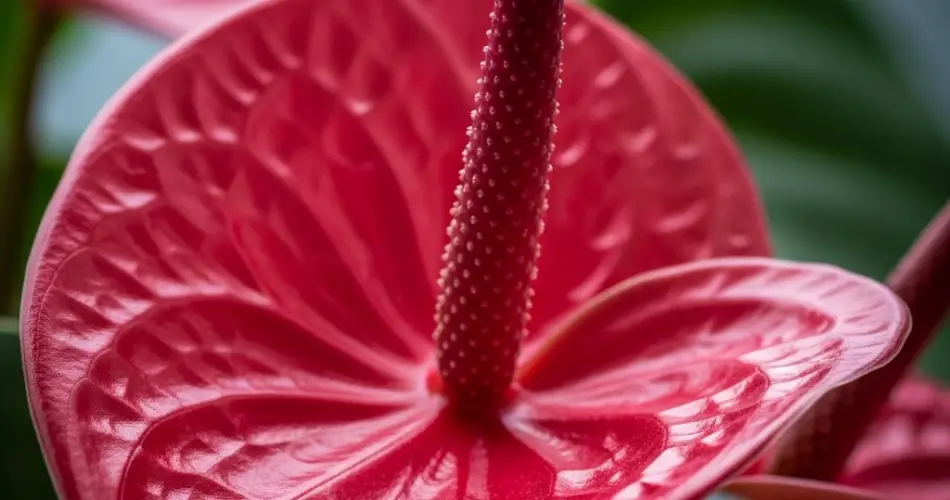
Anthuriums, also known as flamingo flowers or laceleaf, are known for their vibrant, glossy spathes and striking foliage. Native to tropical America, these beautiful plants add a touch of exotic elegance to any indoor space. While most gardeners purchase mature anthuriums from nurseries, germinating them from seed is not only rewarding but also a cost-effective way to expand your plant collection.
Germinating anthurium seeds can be a slow process if you’re not familiar with the plant’s needs. But with the right technique, you can significantly speed up the process and ensure successful sprouting. Here’s how to germinate anthurium and get results faster than ever.
Understanding Anthurium Seeds
Before starting, it’s important to understand that anthurium seeds are delicate and short-lived. They’re best planted fresh, as their viability drops quickly after harvesting. If you’re sourcing seeds from an existing plant, collect them from ripe berries—usually found at the base of the spadix after flowering.
Fresh seeds look like small, jelly-like beads and should be cleaned thoroughly before planting.
Step 1: Prepare the Seeds
If you’ve harvested your own seeds, start by removing the pulp from around each seed. You can do this by gently rubbing the seeds in a bowl of water. Once cleaned, let them soak in room-temperature water for about 12 to 24 hours. This softens the outer layer and helps speed up germination.
If you’ve bought your seeds, a 12-hour soak is still beneficial.
Step 2: Choose the Right Growing Medium
Anthuriums need a light, well-aerated medium that holds moisture without becoming soggy. Ideal options include:
-
A mix of sphagnum moss and perlite
-
A peat-based orchid mix
-
Coco coir mixed with vermiculite
Avoid heavy garden soil or regular potting mix, which can retain too much water and cause seeds to rot.
Sterilize the growing medium by microwaving it for a few minutes or using boiling water. This helps prevent fungal or bacterial infections during the delicate germination phase.
Step 3: Sow the Seeds
Gently press the soaked seeds onto the surface of the moist growing medium. Do not bury them—anthurium seeds need light to germinate. Ensure the seeds are spaced at least one inch apart to allow for root and shoot development.
Mist the surface lightly with water to maintain moisture without washing the seeds away.
Step 4: Create a Mini Greenhouse
To speed up germination, create a warm, humid environment using a clear plastic container with a lid, or cover your seed tray with clear plastic wrap. This helps trap moisture and heat—both essential for successful germination.
Place the container in a bright area with indirect light. Avoid direct sunlight, which can overheat the container and damage the seeds.
Maintain a consistent temperature of 75–85°F (24–29°C) for the best results.
Step 5: Monitor Moisture and Ventilation
Check the medium daily to ensure it stays consistently moist, not soggy. Mist with filtered or distilled water as needed. Open the lid or plastic covering for a few minutes each day to allow air exchange and prevent mold growth.
Within 7 to 21 days, you should start to see tiny shoots emerging from the seeds.
Step 6: Transplanting Seedlings
Once the seedlings develop a small set of leaves and roots (usually after 4 to 6 weeks), they’re ready to be transplanted into individual containers. Use small pots filled with the same type of airy growing mix.
Be gentle while handling the young plants—use a spoon or small spatula to lift them carefully without damaging the roots.
Tips to Speed Up Growth
-
Use a heat mat: Placing your seed tray on a seedling heat mat keeps the medium at an ideal temperature and accelerates sprouting.
-
Filtered light is key: Bright, indirect sunlight helps young anthuriums grow faster without burning their tender leaves.
-
Diluted fertilizer: After transplanting, apply a diluted balanced fertilizer (¼ strength) once a month to support healthy growth.
-
Maintain humidity: Anthuriums love humidity. You can use a humidifier, group plants together, or place trays of water near them to boost moisture in the air.
Troubleshooting Common Issues
-
No germination after 3 weeks: The seeds may be old or the environment may be too cold.
-
Mold on seeds or soil: Improve ventilation and reduce watering. Use cinnamon as a natural antifungal dust.
-
Yellowing leaves: This may indicate overwatering or insufficient light.
Final Thoughts
Germinating anthurium seeds may require a bit of patience, but with the right care and growing conditions, you can enjoy faster results and the satisfaction of raising these stunning plants from scratch. Whether you’re adding to your collection or experimenting with propagation, watching anthurium seeds sprout and thrive is a rewarding experience for any plant lover.
Keep their environment warm, bright, and humid—and your tiny anthuriums will soon grow into the bold, tropical showstoppers they’re known to be.


