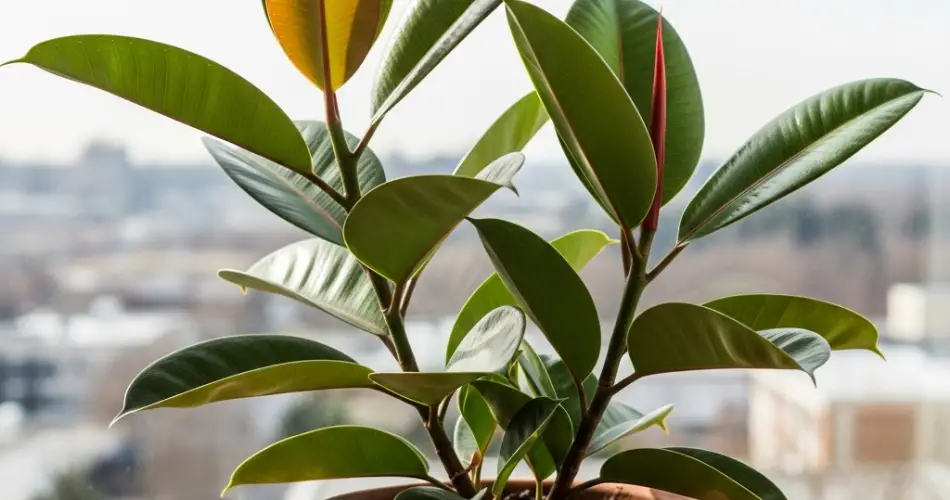
The rubber plant (Ficus elastica) is a popular indoor plant known for its glossy, deep green leaves and upright growth habit. While it is relatively low-maintenance, encouraging new growth can take a bit of strategy, especially in indoor environments where light, humidity, and space may be limited. With proper care, your rubber plant can continue to produce fresh leaves and maintain a full, vibrant appearance.
This guide covers essential tips and techniques to stimulate new growth in your rubber plant.
Understanding Rubber Plant Growth
Rubber plants are tropical evergreens that naturally thrive in warm, humid environments with bright, indirect light. Indoors, their growth can slow due to insufficient light, improper watering, or low humidity. New growth typically emerges at the tips of stems, where fresh leaves unfurl gradually. By understanding what encourages growth, you can create the optimal environment for your plant to thrive.
1. Provide Adequate Light
Light is the most critical factor for stimulating new growth. Rubber plants need bright, indirect light to photosynthesize efficiently and produce new leaves.
-
Ideal placement: Near an east- or west-facing window or in a location that receives filtered sunlight.
-
Avoid direct sunlight: Harsh rays can scorch leaves and cause brown spots.
-
Low light adaptation: Rubber plants can survive in lower light, but new growth may be slower and leaves smaller. Supplementing with artificial light, such as a full-spectrum LED grow light, can help maintain consistent growth in dimmer spaces.
Rotate the plant occasionally to ensure even light exposure on all sides, which encourages uniform growth and prevents leaning.
2. Water Correctly
Proper watering supports healthy foliage and encourages new shoots. Rubber plants prefer soil that is consistently moist but never soggy.
-
Water when the top inch of soil feels dry.
-
Avoid letting the plant sit in water, as this can cause root rot.
-
Reduce watering slightly during fall and winter when growth slows.
Overwatering is a common cause of slow growth or leaf drop, so always check soil moisture before adding water.
3. Maintain Humidity
Rubber plants originate from tropical environments, so humidity plays a role in stimulating new growth. Low indoor humidity can cause leaf curling, brown tips, or stunted growth.
-
Increase humidity naturally: Group plants together, use a pebble tray, or place near a humidifier.
-
Occasional misting: Lightly mist leaves during dry periods to support leaf expansion and keep foliage vibrant.
Maintaining moderate humidity encourages fresh leaf development and overall plant health.
4. Fertilize During the Growing Season
Nutrients are essential for active growth. Fertilize your rubber plant during spring and summer, the peak growing seasons.
-
Use a balanced, water-soluble houseplant fertilizer at half strength every 4–6 weeks.
-
Avoid over-fertilizing, which can stress the plant or burn the roots.
-
Skip fertilization in fall and winter, when growth naturally slows.
Fertilizer provides the essential nitrogen, phosphorus, and potassium that the plant needs to produce strong new leaves and stems.
5. Pruning to Stimulate Branching
Pruning encourages a fuller, bushier plant and can promote new growth along stems.
-
Remove yellowing, brown, or damaged leaves to redirect energy to healthy areas.
-
Trim the tips of stems to stimulate lateral growth, creating a denser appearance.
-
Sterilize your pruning tools to prevent disease.
Regular pruning helps maintain shape, increases air circulation, and encourages the plant to produce multiple new shoots.
6. Repot When Necessary
Rubber plants can become root-bound over time, limiting their ability to grow new leaves.
-
Check roots annually; if they are circling the pot or growing out of drainage holes, it’s time to repot.
-
Use fresh, well-draining potting soil and a slightly larger container.
-
Repotting revitalizes the root system, providing space and nutrients to support new growth.
7. Monitor for Pests and Stress
Healthy plants produce new leaves more readily. Pests such as spider mites, scale, or mealybugs can weaken a rubber plant and slow growth.
-
Inspect leaves regularly for pests.
-
Treat infestations promptly with insecticidal soap or wiping leaves with a damp cloth.
-
Avoid sudden changes in temperature or light, which can stress the plant and inhibit new growth.
Conclusion
Encouraging new growth in a rubber plant requires attention to light, water, humidity, nutrients, and overall plant health. By placing the plant in bright, indirect light, watering appropriately, maintaining humidity, fertilizing during the growing season, and pruning strategically, you can stimulate fresh, vigorous growth. Repotting and pest management further ensure the plant has the space and energy it needs to thrive.
With consistent, thoughtful care, your rubber plant will continue to produce glossy new leaves, maintain a full and attractive shape, and serve as a striking addition to your indoor space for years to come.


