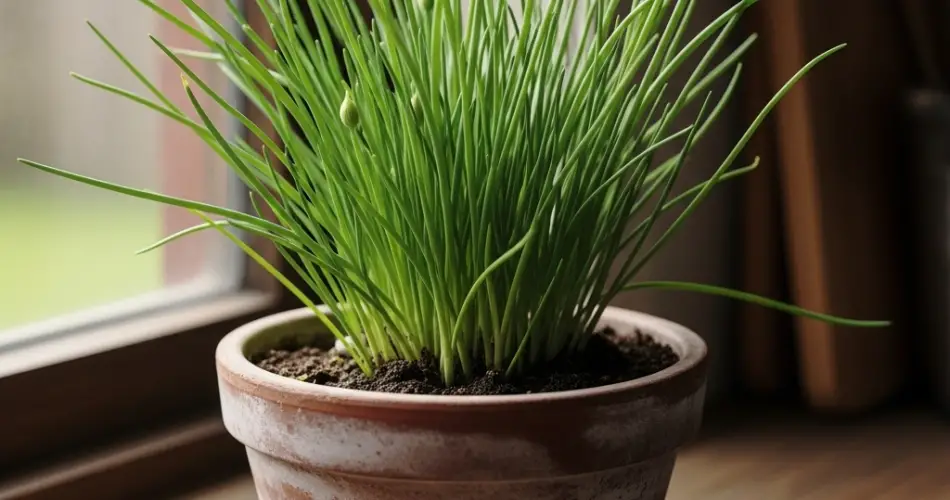
Chives are one of the easiest and most rewarding herbs to grow in pots or garden beds. Their mild onion-like flavor makes them a kitchen essential, while their attractive green clumps and purple blossoms brighten up any space. One of the best ways to keep chives healthy and productive is through division and repotting. Over time, clumps of chives can become dense, which slows growth and reduces yields. Dividing and repotting rejuvenates the plant, encourages stronger shoots, and ensures a continuous harvest.
If you’ve noticed your chives growing tightly packed, producing fewer leaves, or becoming less vigorous, it’s time to refresh them. This guide walks you through why, when, and how to divide and repot chives for maximum yields.
Why Division and Repotting Are Important
Chives are perennials, meaning they return year after year. However, as the clumps expand, the roots compete for nutrients and space. Without intervention, the plants become overcrowded, growth slows down, and the leaves lose their lushness.
Dividing and repotting chives offers several benefits:
-
Stronger growth: New roots have more space to spread and access nutrients.
-
Increased yields: Divided plants produce more fresh leaves.
-
Disease prevention: Removing old, crowded growth reduces the risk of fungal problems.
-
More plants: Each division can be replanted, giving you multiple pots or garden patches.
When to Divide Chives
Timing is key for successful division. The best seasons are spring and early fall, when conditions are mild and the plant has time to recover before extreme heat or frost. In spring, divide clumps as new shoots emerge. In fall, do it about six weeks before your first frost so the roots can establish.
As a general rule, chives should be divided every 2 to 3 years. If you notice reduced growth or your pot is overflowing with roots, it’s a clear signal that your plants need refreshing.
Preparing to Divide and Repot
Before dividing, gather your tools and materials:
-
A sharp knife or garden spade
-
Clean pots with drainage holes (if repotting)
-
Fresh, well-draining potting mix enriched with compost
-
Watering can
Make sure to work on a cool, cloudy day if possible, as this reduces stress on the plants.
Step-by-Step Guide to Dividing and Repotting Chives
-
Remove the clump from the pot or soil
Gently dig around the chive clump with a trowel or loosen it from its pot. Lift the entire root mass carefully to avoid breaking too many roots. -
Shake off the soil
Brush or gently wash away excess soil so you can see the root system clearly. This makes it easier to identify natural divisions. -
Separate the clump
Using your hands, pull the clump apart into smaller sections. Each division should have at least 5–10 bulbs and healthy roots to ensure strong regrowth. If the clump is tough, use a sharp knife or garden spade to cut through it cleanly. -
Prepare the new pot or soil bed
If planting in pots, choose containers that are at least 8 inches deep and wide, filled with fresh potting mix. For garden planting, enrich the soil with compost before replanting. -
Replant the divisions
Place each division into its new home, keeping the crowns just at soil level. Space them about 6–8 inches apart if planting directly in the ground. -
Water thoroughly
After planting, water the divisions well to help the roots settle and recover. Keep the soil consistently moist for the first two weeks as the plants establish themselves.
Aftercare for Divided Chives
Freshly divided chives need some extra attention to bounce back quickly. Here’s how to care for them:
-
Sunlight: Place pots in a sunny spot that gets at least 6 hours of direct sunlight daily.
-
Moisture: Keep the soil evenly moist, but avoid waterlogging. Consistent moisture helps new roots develop.
-
Fertilizer: After 3–4 weeks, feed with a diluted liquid fertilizer or compost tea to boost growth.
-
Harvesting: Wait about 4–6 weeks before cutting leaves from newly divided plants. This gives them time to strengthen.
Long-Term Benefits
Dividing and repotting doesn’t just keep your chives productive; it multiplies your harvest opportunities. With each division, you can create new pots for your balcony, patio, or kitchen windowsill—or share them with friends and neighbors. Over time, this simple maintenance step ensures you always have an abundant supply of fresh chives ready for cooking.
Final Thoughts
Chives may be low-maintenance, but they thrive when given space to grow. Dividing and repotting every few years is one of the best ways to boost yields and maintain healthy plants. By separating overcrowded clumps, refreshing the potting mix, and giving each division room to establish, you set your chives up for years of vigorous growth.
Whether you’re a casual cook or a devoted gardener, keeping your chives healthy through division ensures a constant supply of flavorful leaves and blossoms. With just a little care and repotting, you’ll enjoy bigger harvests and more vibrant plants season after season.


