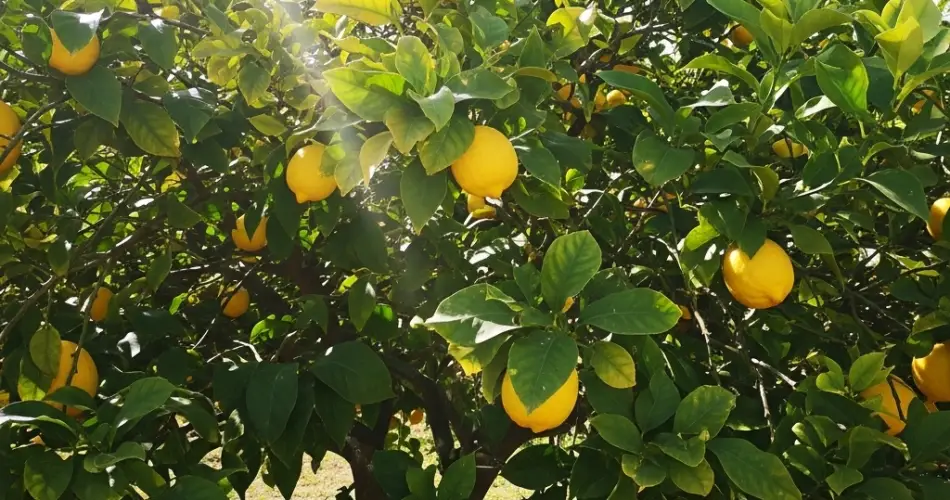
Growing a lemon tree may sound like a challenging project, but with just a little care—and a few scraps from your own kitchen—you can cultivate your very own citrus plant. Whether you live in a house with a backyard or an apartment with a sunny balcony, starting a lemon tree from seeds found in fresh lemons is surprisingly easy. Not only is this an eco-friendly project, but it’s also a rewarding way to reuse food waste and grow something vibrant and useful right at home.
Here’s how to develop a lemon tree from kitchen scraps with minimal effort and great results.
1. Select the Right Lemons
Start with an organic lemon. Store-bought non-organic lemons are often treated with chemicals that can prevent the seeds from germinating. Choose a ripe, healthy lemon with no soft spots or blemishes.
Slice it open and collect the seeds. Select several plump, mature-looking seeds to increase your chances of successful germination. Rinse them thoroughly to remove any pulp or juice that could encourage mold growth.
2. Prepare the Seeds
To help speed up germination, soak the seeds in warm water for about 4 to 6 hours. This softens the seed coat and mimics the natural conditions seeds experience in the wild. After soaking, gently peel off the thin outer shell using your fingernail or tweezers, being careful not to damage the seed inside.
This optional step can increase the likelihood of faster germination, although seeds will still sprout without peeling if kept in the right conditions.
3. Germinate the Seeds Indoors
Take a damp paper towel and place the prepared seeds inside. Fold the towel over the seeds, and place it in a resealable plastic bag to create a mini greenhouse. Label the bag with the date and store it in a warm, dark place such as a kitchen cabinet.
Check the bag every few days to ensure the towel stays moist. Within two to three weeks, you should see tiny sprouts emerging from the seeds. Once the roots are about half an inch long, they’re ready to be planted.
4. Planting the Seedlings
Fill a small pot with well-draining soil. A mix of potting soil with added perlite or sand works well to keep the roots healthy and avoid waterlogging. You can also use soil designed for citrus or cactus plants.
Plant the germinated seed about half an inch deep, with the root pointing downward. Lightly cover it with soil and water gently. Place the pot in a warm, sunny location, such as a south-facing windowsill.
Make sure the soil stays moist but not soggy. Lemon seedlings prefer consistent watering but won’t tolerate being overwatered.
5. Providing the Right Conditions
Lemon trees love sunlight. Aim to give your seedling at least 8 hours of bright, indirect sunlight per day. If natural light is limited, consider supplementing with a grow light to ensure healthy development.
Keep the room temperature between 65°F and 75°F (18°C to 24°C), and protect the plant from drafts and temperature fluctuations. Lemon trees are sensitive to cold, especially in their early stages of growth.
6. Transplanting and Long-Term Care
As your seedling grows and becomes stronger, it will eventually need to be transplanted into a larger container. Choose a pot that is one size up and has excellent drainage. Repotting is typically needed every 1–2 years, especially if roots begin circling the pot.
Once your tree is established, fertilize it once a month with a citrus-specific fertilizer during the growing season (spring and summer). This will support foliage development and future fruit production.
7. Patience Pays Off
Lemon trees grown from seed typically take 3 to 5 years to produce fruit, and sometimes longer, depending on the variety and growing conditions. While it may take time, the plant itself is beautiful and fragrant, with glossy leaves and white, sweet-smelling flowers.
Even if your lemon tree never produces fruit, it still makes an attractive and rewarding houseplant.
8. Bonus Tip: Use More Kitchen Scraps
You can continue to enrich your lemon tree’s soil using other kitchen scraps. Crushed eggshells add calcium, used coffee grounds provide nitrogen, and banana peels offer potassium. Just be sure to compost them or bury them lightly into the soil so they don’t attract pests.
Final Thoughts
Starting a lemon tree from kitchen scraps is not only simple but also surprisingly satisfying. With a bit of patience, the right environment, and regular care, you can grow a thriving citrus plant from something you’d otherwise throw away. It’s a wonderful way to connect with nature, reduce waste, and bring a fresh, fragrant touch of green into your home.


