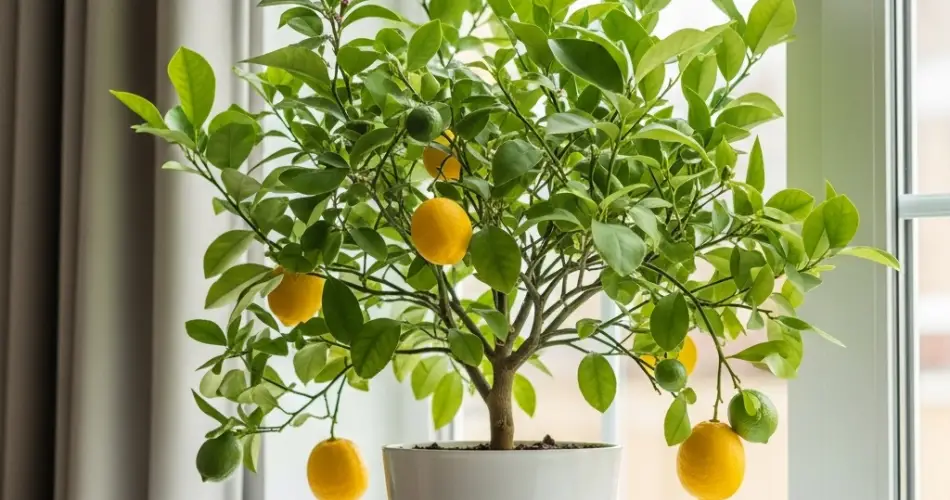
The idea of plucking a fresh lemon from your very own tree may sound like something that requires a large garden or a Mediterranean climate—but it’s absolutely possible to grow a thriving lemon tree right in your home. With the right setup and a sunny windowsill, even urban dwellers can enjoy the beauty and fragrance of this citrus plant indoors.
Growing a lemon tree in a container doesn’t require years of experience or a backyard. With a bit of care and consistency, your home can host a fruitful lemon tree that brightens your space and supplies fresh citrus for cooking, drinks, and decor.
Why Grow a Lemon Tree Indoors?
Lemon trees are not only beautiful, with their glossy green leaves and fragrant white blossoms, but they’re also surprisingly adaptable. Dwarf lemon varieties are especially well-suited for container life. Indoors, they offer:
-
Year-round greenery and seasonal fruit
-
A natural air purifier
-
A subtle citrus fragrance when flowering
-
A unique and rewarding gardening experience
With enough sunlight, the right potting mix, and proper care, your lemon tree can thrive in a pot on a bright windowsill.
Choosing the Right Variety
When it comes to indoor cultivation, not all lemon trees are created equal. Some varieties are better suited to container growing:
-
Improved Meyer Lemon: A popular dwarf variety that’s less acidic and slightly sweeter than common lemons.
-
Ponderosa Lemon: Known for producing large fruit and attractive flowers.
-
Lisbon or Eureka Lemons: These are full-sized varieties that can also grow in pots but may require more pruning and space.
For indoor spaces, the Improved Meyer Lemon is often the best choice due to its compact size and excellent fruiting indoors.
What You’ll Need
Before planting your lemon tree, gather the following:
-
A young grafted lemon tree or dwarf sapling
-
A large container (at least 12–15 inches deep) with good drainage
-
Citrus-specific or well-draining potting soil
-
A saucer to catch excess water
-
A sunny windowsill (south-facing is ideal)
If your location doesn’t receive enough direct sunlight (at least 8–10 hours daily), consider supplementing with a full-spectrum grow light.
Planting and Positioning
1. Prepare the Pot:
Fill the container with a few inches of gravel or small stones for extra drainage, then add potting mix.
2. Plant the Tree:
Place your lemon tree in the center, ensuring the root ball is level with the soil surface. Fill in around the roots and press down gently.
3. Water Thoroughly:
After planting, water deeply until moisture runs from the drainage holes.
4. Find a Sunny Spot:
Place the container near your sunniest window. Lemon trees love light and warmth, ideally 65–75°F (18–24°C) during the day.
Watering and Feeding
Watering:
Let the top inch of soil dry out between waterings. Lemon trees dislike soggy soil, so avoid overwatering. In dry environments, mist the leaves to increase humidity.
Feeding:
Use a citrus-specific fertilizer or a balanced liquid fertilizer rich in nitrogen. Feed every 4–6 weeks during the growing season (spring and summer), and reduce feeding in winter.
Pruning and Shaping
Indoor lemon trees benefit from light pruning to maintain shape and encourage airflow:
-
Remove dead or crossing branches.
-
Pinch back new growth to control height.
-
Prune after fruiting to shape the canopy.
Pruning also helps increase light penetration, which improves flowering and fruit production.
Encouraging Flowering and Fruit
To help your lemon tree produce blossoms and eventually fruit:
-
Ensure it gets plenty of light—more than 8 hours a day is ideal.
-
Maintain consistent temperatures.
-
Allow the tree some cooler night temps (around 55°F/13°C) in winter to mimic natural seasonal changes.
-
Gently hand-pollinate flowers using a soft paintbrush if growing indoors without bees. Lightly brush pollen from flower to flower to encourage fruit set.
Common Issues and Solutions
-
Leaf Drop: Usually due to sudden temperature changes or overwatering.
-
Yellow Leaves: May signal nutrient deficiency—try feeding with a fertilizer high in magnesium or iron.
-
No Flowers or Fruit: Often caused by insufficient light or irregular watering.
Proper care, patience, and attention to light will go a long way in resolving these common issues.
Bringing It Outdoors (Optional)
If you have a balcony or patio, consider moving the tree outside in warm months:
-
Acclimate gradually by placing it in partial shade and increasing exposure over a week.
-
Return it indoors when nighttime temperatures dip below 50°F (10°C).
This outdoor exposure can encourage stronger growth and improve fruiting potential.
Final Thoughts
A lemon tree on your windowsill offers more than just homegrown citrus—it brings life, beauty, and a sense of accomplishment to your space. With the right container, light, and care, even novice growers can enjoy the pleasures of citrus indoors. Whether you’re dreaming of fresh lemon slices in tea or just a bright pop of green in your kitchen, a potted lemon tree is a rewarding and surprisingly manageable project for any home gardener.


