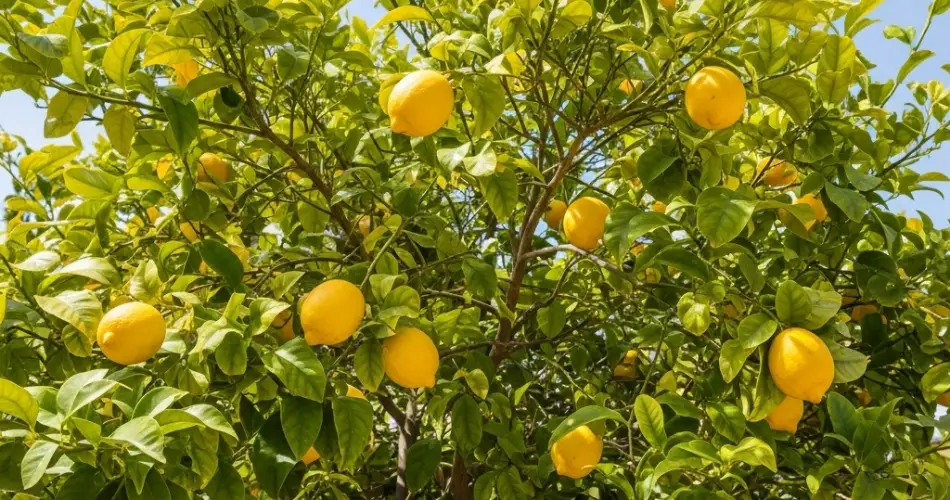
Think you need a backyard or a greenhouse to grow a lemon tree? Think again. With the right approach, even small apartment dwellers can successfully raise a lemon tree and enjoy the beauty and fragrance of citrus right in their living space. Dwarf varieties, container planting, and a few simple care techniques make it entirely possible to grow your own lemons indoors.
Here’s a step-by-step guide to cultivating a thriving lemon tree, no matter how limited your space may be.
1. Choose the Right Lemon Tree Variety
For apartment gardening, it’s essential to choose a dwarf or container-friendly variety. These are specially bred to remain compact while still producing fruit. The best options include:
-
Improved Meyer Lemon – A popular hybrid known for its sweet, thin-skinned lemons and compact size.
-
Ponderosa – A bushy tree that produces large, thick-skinned lemons.
-
Lisbon and Eureka – Suitable for containers but may require more pruning.
Purchase a young tree that is already grafted and established in a pot for the best head start.
2. Pick the Right Container
Lemon trees need space to grow roots, but not too much. Choose a container that is at least 12–15 inches in diameter with good drainage holes. Terracotta pots are a great option because they allow moisture to evaporate, reducing the risk of overwatering.
As your lemon tree grows, you may need to re-pot it into a larger container every 2–3 years to ensure continued healthy development.
3. Use the Proper Soil Mix
Lemon trees require well-draining soil that prevents waterlogging. Use a light, citrus-specific potting mix, or create your own by mixing potting soil with sand or perlite to improve aeration.
Avoid heavy garden soil or dense compost that retains too much moisture. Healthy roots are the foundation of a thriving lemon tree, especially in containers.
4. Find the Brightest Spot in Your Apartment
Lemon trees are sun-loving plants that require at least 8–10 hours of direct sunlight per day. Place the tree near a south-facing window, balcony, or any spot that receives maximum natural light. If you don’t get enough sunlight indoors, consider using a full-spectrum grow light to supplement.
Turn the pot occasionally to ensure all sides of the plant receive even exposure to light.
5. Master the Watering Balance
Overwatering is one of the most common mistakes when growing lemons indoors. These trees like moist—but not soggy—soil.
-
Water thoroughly when the top 1–2 inches of soil feel dry.
-
Ensure excess water drains freely from the pot.
-
Use a saucer to catch runoff but empty it regularly to avoid root rot.
During winter, when growth slows, you may only need to water once every 10–14 days. In warmer months, monitor soil moisture more frequently.
6. Maintain the Right Temperature and Humidity
Lemon trees prefer consistent temperatures between 65–75°F (18–24°C). Avoid placing your tree near cold drafts, air conditioning vents, or heating radiators. These can cause stress and leaf drop.
If your apartment is dry, especially in winter, increase humidity by:
-
Using a humidity tray with pebbles and water
-
Misting the leaves regularly
-
Running a humidifier nearby
7. Fertilize for Fruitful Results
Lemon trees in containers rely heavily on nutrients from fertilizer. Choose a citrus-specific fertilizer that includes nitrogen, phosphorus, potassium, and trace minerals like magnesium and iron.
Apply every 4–6 weeks during spring and summer, reducing frequency in fall and winter. Always follow package instructions and avoid overfeeding, which can harm the plant.
8. Prune and Shape Your Tree
To keep your lemon tree compact and manageable in a small space:
-
Prune off leggy, weak, or crossing branches
-
Trim the tips of vigorous stems to encourage bushier growth
-
Remove any suckers growing at the base of the trunk
Regular pruning helps maintain a healthy shape, promotes airflow, and directs energy toward fruit production.
9. Pollinate Indoors
Lemon trees are self-pollinating, but indoor trees may need a little help. Use a soft paintbrush or cotton swab to gently transfer pollen from one flower to another. Do this daily when the tree is in bloom to increase the chances of fruit set.
10. Be Patient and Enjoy the Process
Lemon trees grown indoors take time to bear fruit—sometimes up to 2–3 years. But the journey is rewarding. The glossy green leaves, fragrant flowers, and eventual citrus fruits add life and freshness to any apartment.
Watch for pests like spider mites or scale insects and treat them with insecticidal soap or neem oil if needed.
Final Thoughts
You don’t need a garden to grow your own lemons. With the right dwarf variety, a sunny windowsill, and consistent care, your lemon tree will flourish in even the smallest apartment. Beyond the fruit, it brings a touch of nature indoors—boosting mood, air quality, and the joy of homegrown success.


