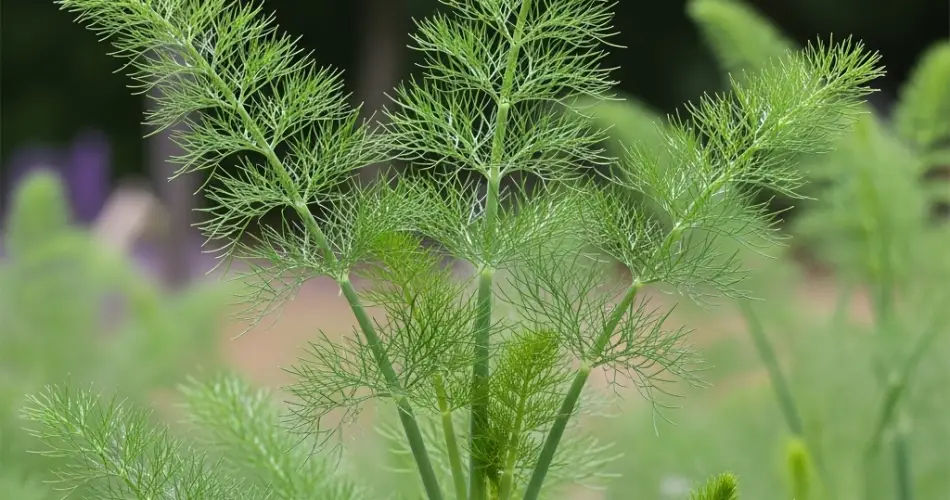
Fennel is a beautiful, aromatic herb and vegetable known for its feathery foliage, licorice-like flavor, and versatility in the kitchen. While it’s generally considered a hardy and pest-resistant plant, fennel is not immune to insect attacks. Aphids, caterpillars, and root pests can all cause trouble. Fortunately, there are effective natural methods to manage and prevent these problems without resorting to synthetic chemicals.
Here’s how to identify common fennel pests and protect your plants using eco-friendly solutions.
Common Pests That Affect Fennel
1. Aphids
Tiny green, black, or brown insects that cluster on stems and leaves. They suck plant sap, causing wilting, yellowing, and stunted growth.
Signs of infestation:
-
Sticky residue (honeydew) on leaves
-
Curled or deformed foliage
-
Presence of ants, which farm aphids for their honeydew
2. Armyworms and Caterpillars
These larvae chew through fennel leaves and can strip a plant quickly if not controlled.
Signs of infestation:
-
Holes in leaves
-
Black droppings on leaves
-
Visible caterpillars hiding in foliage
3. Cutworms
These pests live in the soil and chew through young fennel stems at the base, often severing them completely.
Signs of infestation:
-
Seedlings cut off at soil level
-
Wilting or collapsed plants in the early stages
4. Root-Knot Nematodes
Microscopic worms that attack the plant’s roots, causing swelling and reduced nutrient uptake.
Signs of infestation:
-
Yellowing leaves
-
Stunted growth
-
Poor bulb formation
-
Galls on roots (visible when uprooted)
5. Whiteflies and Spider Mites
Though less common, these tiny sap-sucking pests can weaken plants in dry, warm conditions.
Signs of infestation:
-
Fine webbing (spider mites)
-
Leaf discoloration
-
Tiny white insects flying when the plant is disturbed
Natural Pest Control Strategies for Fennel
1. Hand-Picking and Hose Sprays
Regularly inspect fennel plants for pests like caterpillars and aphids. You can remove caterpillars by hand and spray aphids off with a strong stream of water.
-
Check undersides of leaves and around new growth.
-
Repeat hose sprays every few days to keep aphids under control.
2. Neem Oil Spray
Neem oil is a natural insecticide that disrupts pests’ hormonal systems without harming beneficial insects if applied correctly.
How to use:
-
Mix 1–2 teaspoons of neem oil with a few drops of mild soap and 1 liter of water.
-
Spray in the early morning or evening to avoid harming pollinators.
-
Target areas with visible pests and repeat every 7–10 days as needed.
3. Introduce Beneficial Insects
Encourage or introduce natural predators that feed on fennel pests.
Helpful allies include:
-
Ladybugs (consume aphids and whiteflies)
-
Lacewings (prey on aphid larvae and other soft-bodied pests)
-
Parasitic wasps (attack caterpillars and aphid colonies)
You can attract these beneficial insects by planting companion herbs and flowers such as dill, calendula, yarrow, and alyssum nearby.
4. Floating Row Covers
Protect young fennel plants from early damage by placing lightweight fabric row covers over them.
-
Use covers to prevent adult pests from laying eggs on the plants.
-
Remove the covers during flowering to allow for pollination if you’re growing fennel for seed.
5. Diatomaceous Earth
A fine powder made from crushed fossilized algae, diatomaceous earth is deadly to insects but safe for humans and pets.
Application:
-
Dust the base of the plants and soil around them.
-
Reapply after rain or watering.
-
Best for controlling crawling pests like cutworms and slugs.
6. Crop Rotation and Soil Health
Prevent soil-borne pests like nematodes by rotating crops each year and avoiding repeated planting of fennel or other umbelliferous vegetables (e.g., carrots, dill) in the same spot.
-
Improve soil with compost and organic matter to support healthy plant roots.
-
Consider solarizing soil between seasons to reduce nematode populations.
7. Companion Planting
While fennel is known to inhibit the growth of many nearby plants, you can still pair it wisely to deter pests.
Good companions (at a slight distance):
-
Calendula: attracts aphid predators
-
Basil: repels whiteflies
-
Marigolds: discourage nematodes and other root pests
Avoid planting fennel too close to other herbs like cilantro or dill, which may suffer from fennel’s allelopathic effects.
Final Tips
-
Keep your garden clean of debris where pests can hide.
-
Water plants at the base to reduce leaf moisture, which attracts pests.
-
Monitor your fennel regularly to catch problems early before they spread.
With these natural methods, you can keep your fennel healthy and pest-free while maintaining an environmentally friendly garden. Pest prevention starts with observation, healthy soil, and the right organic strategies—so your fennel can flourish without harsh chemicals.


