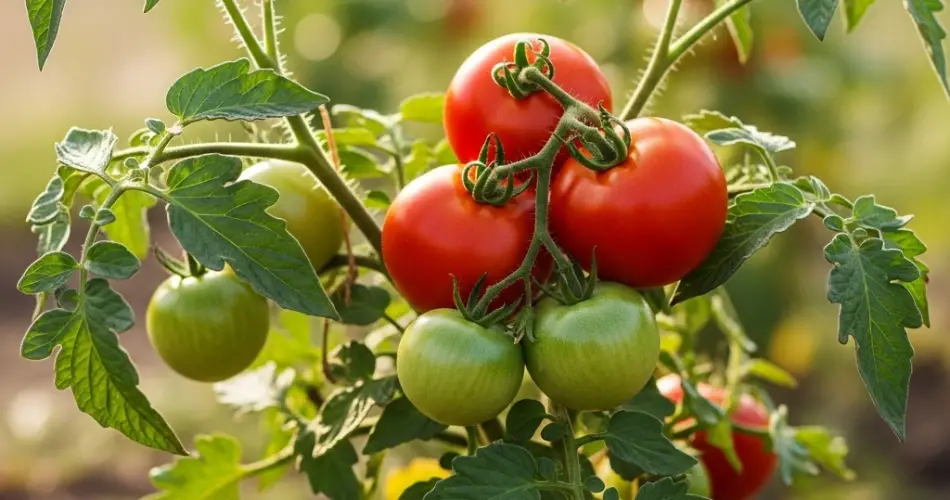
Tomatoes are one of the most popular garden vegetables—and for good reason. They’re versatile in the kitchen, rich in nutrients, and relatively easy to grow, even for beginners. If you’ve ever dreamed of picking sun-ripened tomatoes straight from your backyard, you’ll be happy to know it doesn’t take expert skills or complicated techniques.
With just a bit of preparation and attention to a few simple details, you can grow a plentiful tomato crop with minimal effort. Here’s how to cultivate tomatoes in your backyard—no stress, no hassle.
1. Start with the Right Tomato Variety
The first step toward an effortless tomato garden is choosing the right variety. Some tomato plants are more resilient, disease-resistant, and low-maintenance than others.
Recommended low-hassle varieties:
-
Roma: Compact and disease-resistant, perfect for sauces.
-
Celebrity: Determinate type, strong disease resistance.
-
Cherry tomatoes (like Sweet 100 or Sungold): Easy to grow and produce heavily.
-
Patio or Bush tomatoes: Great for smaller spaces and raised beds.
Determinate types (bush varieties) require less pruning and care, as they grow to a fixed size and produce fruit over a short period. Indeterminate types (vining varieties) will need more support but continue producing all season long.
2. Choose a Sunny, Well-Drained Spot
Tomatoes are sun-lovers. To ensure high yields, pick a location in your backyard that gets at least 6–8 hours of full sunlight daily.
Soil tips:
-
Tomatoes prefer slightly acidic soil (pH 6.0–6.8).
-
Well-drained, loamy soil enriched with compost will provide the best results.
-
Avoid areas where tomatoes or other nightshades (peppers, potatoes, eggplant) have grown in the past year to prevent soil-borne diseases.
If your native soil is poor, consider using raised beds or large containers filled with a quality potting mix.
3. Planting Made Easy
Start with seedlings or transplants for a quicker, easier harvest. If growing from seed, start them indoors 6–8 weeks before the last frost date.
Planting steps:
-
Dig a hole deep enough to bury 2/3 of the stem. Tomatoes grow roots along buried stems, resulting in stronger plants.
-
Space plants 18–24 inches apart to allow air circulation and prevent disease.
-
Water thoroughly after planting and add a layer of mulch to retain moisture and suppress weeds.
4. Watering Without Worry
Consistent watering is one of the few things tomatoes require regularly—but it doesn’t have to be difficult.
Low-maintenance watering tips:
-
Water deeply once or twice a week, depending on the weather.
-
Early morning watering is best to avoid leaf diseases.
-
Use soaker hoses or drip irrigation for consistent moisture without overwatering.
-
Mulch around plants with straw, shredded leaves, or grass clippings to keep the soil moist longer.
Avoid wetting the foliage, which can encourage fungal issues.
5. Support Your Plants the Simple Way
Even bush types benefit from a bit of support to keep fruit off the ground.
Support options:
-
Use simple tomato cages or wooden stakes.
-
Tie stems loosely with garden twine or fabric strips.
-
For indeterminate varieties, a basic trellis or vertical support structure helps control sprawling vines.
Keeping plants upright makes harvesting easier and reduces disease risk.
6. Feeding Your Tomatoes Naturally
You don’t need a cabinet full of fertilizers. Just a little organic nourishment goes a long way.
Fertilizer tips:
-
Use a balanced fertilizer (like 10-10-10) when planting.
-
After fruit sets, switch to a low-nitrogen, high-phosphorus fertilizer to encourage blooms and fruit.
-
Feed every 3–4 weeks during the growing season.
-
Mix in compost or worm castings around the base of plants as a natural booster.
7. Monitor Pests and Problems (Effortlessly)
Backyard gardens aren’t immune to pests, but keeping problems in check is manageable if caught early.
Common issues and easy solutions:
-
Aphids or whiteflies: Spray with water or neem oil.
-
Blossom-end rot: Add calcium through crushed eggshells or bone meal.
-
Cracked fruit: Caused by uneven watering—keep soil moisture consistent.
-
Hornworms: Hand-pick or use organic sprays like BT (Bacillus thuringiensis).
Planting basil or marigolds nearby can deter pests naturally.
8. Harvesting with Joy
Tomatoes are ready to harvest when they’re fully colored and slightly firm to the touch. Pick them regularly to encourage continuous production.
Harvest tips:
-
Don’t wait for every tomato to be fully red on the vine—some varieties ripen better off the plant.
-
Use scissors or gently twist to remove fruit without damaging the stem.
-
Store harvested tomatoes at room temperature—never in the fridge.
Final Thoughts
Growing tomatoes in your backyard doesn’t have to be a labor-intensive project. With the right variety, a sunny spot, basic soil preparation, and simple watering and support systems, you’ll be enjoying homegrown tomatoes with very little effort.
Whether you plant a few cherry tomato bushes or a whole row of hearty slicers, tomatoes reward even casual gardeners with delicious results. Keep it simple, stay consistent, and you’ll discover that cultivating tomatoes is easier—and more satisfying—than you ever imagined.


