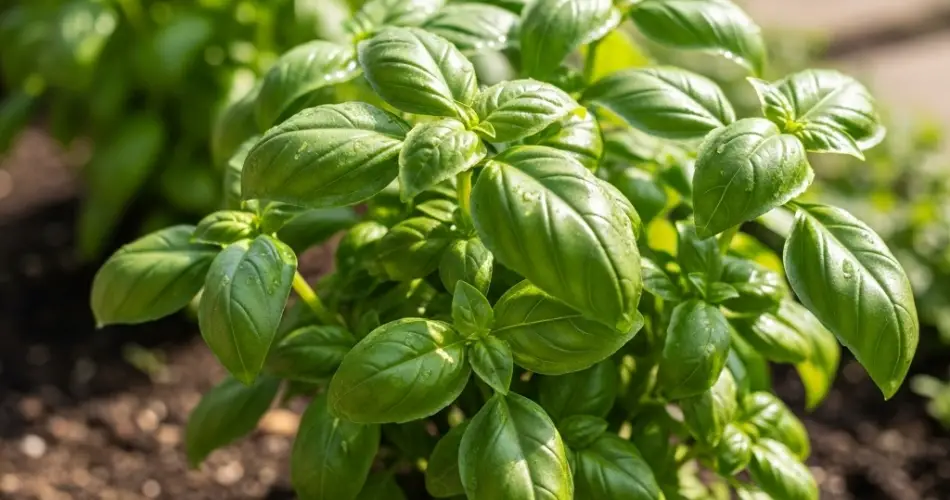
Basil is one of the easiest and most rewarding herbs to grow in your backyard. Known for its fragrant leaves and culinary versatility, basil can elevate your cooking while adding lush greenery to your garden. Even if you don’t have much gardening experience or time, cultivating basil doesn’t have to be complicated or stressful. With the right approach, you can enjoy a thriving basil patch with minimal effort.
This guide will walk you through simple, hassle-free steps to grow basil successfully in your backyard, ensuring you have fresh leaves whenever you need them.
Why Grow Basil in Your Backyard?
Growing basil outdoors offers several benefits:
-
Better flavor: Basil grown in natural sunlight tends to have more intense aroma and taste.
-
Abundant harvest: Backyard plants often produce more leaves than indoor pots.
-
Low maintenance: Basil is hardy and easy to care for.
-
Natural pest control: Basil’s strong scent can deter some garden pests.
-
Sustainability: Growing your own reduces the need for store-bought herbs, cutting down on packaging and transportation.
Selecting the Right Spot
Basil thrives in warm, sunny locations. Choose a spot in your backyard that receives:
-
At least 6 hours of direct sunlight daily.
-
Well-drained soil, since basil roots do not like to sit in water.
-
Protection from strong winds, which can damage leaves.
Avoid areas prone to waterlogging or heavy shade.
Preparing the Soil
Healthy soil is key to hassle-free basil cultivation.
-
Test the soil for drainage and fertility.
-
Basil prefers loamy, nutrient-rich soil with a pH between 6.0 and 7.5.
-
Improve your soil by mixing in organic compost or well-rotted manure before planting.
-
If the soil is heavy clay or sandy, amend it to improve texture and drainage.
Good soil promotes strong root development and healthy leaves.
Choosing Seeds or Seedlings
Starting basil in your backyard is simple:
-
Seeds: Plant basil seeds directly into the prepared soil after the last frost date in your area.
-
Seedlings: Purchase young basil plants from nurseries for quicker results.
If using seeds, sow them about 1/4 inch deep and keep the soil moist until they sprout.
Planting and Spacing
Give your basil plants room to grow:
-
Space seedlings or seeds about 12 to 18 inches apart to ensure good air circulation.
-
This spacing helps prevent disease and encourages bushier plants.
-
If planting in rows, leave at least 18 inches between rows.
Proper spacing is an easy step to reduce hassle later on.
Watering Your Basil
Basil prefers evenly moist soil but does not like to be waterlogged.
-
Water plants deeply about once or twice a week depending on weather.
-
Adjust watering frequency if it rains.
-
Water early in the day to allow foliage to dry before evening, reducing disease risk.
-
Avoid overhead watering; watering at the base of the plants is better.
Consistent moisture encourages steady growth and flavorful leaves.
Fertilizing Basil
While basil is not a heavy feeder, a little fertilizer helps:
-
Use a balanced, slow-release organic fertilizer or compost tea every 4–6 weeks.
-
Avoid excessive nitrogen, which can cause lush leaves but reduce flavor.
-
Fertilizing keeps plants healthy and productive without extra fuss.
Pruning and Harvesting
Regular pruning keeps basil plants healthy and productive:
-
Pinch off the top leaves once plants reach about 6 inches tall to encourage branching.
-
Remove flower buds as they appear to prevent early seeding and prolong leaf production.
-
Harvest leaves regularly by snipping off whole stems or individual leaves.
-
Harvest in the morning for best flavor.
Frequent harvesting is both easy and encourages bushier growth.
Managing Pests and Diseases
Basil is naturally pest-resistant but watch out for common issues:
-
Aphids and whiteflies: Spray with water or insecticidal soap if infestation occurs.
-
Fungal diseases: Ensure good air circulation and avoid overhead watering.
-
Slugs and snails: Use barriers or traps if they become a problem.
Most problems can be prevented with proper spacing and watering.
Tips for Zero-Hassle Basil Growing
-
Start with healthy seedlings to skip germination challenges.
-
Mulch around plants to retain soil moisture and suppress weeds.
-
Use companion planting: Grow basil near tomatoes, peppers, or oregano for mutual benefits.
-
Keep your garden tools clean to prevent disease spread.
-
Rotate basil planting locations each year if possible to avoid soil-borne diseases.
Simple habits make basil gardening easier and more enjoyable.
Harvesting and Using Your Basil
Your backyard basil will be ready to harvest in about 60–90 days from planting.
-
Pick leaves as needed for cooking, pesto, salads, and teas.
-
Store fresh leaves by placing them in water or drying them for later use.
-
Sharing excess harvest with friends or neighbors is a nice way to spread the joy of gardening.
Final Thoughts
Cultivating basil in your backyard is a fantastic way to enjoy fresh herbs year after year without stress or hassle. By choosing the right spot, preparing the soil, watering properly, and harvesting regularly, you’ll have a vibrant basil patch that thrives with minimal effort.
Even if you’re new to gardening, basil’s forgiving nature and quick growth make it an ideal herb to start with. Soon you’ll find yourself reaching for fresh basil leaves daily, enhancing your meals and adding greenery to your outdoor space.
Start small, follow these simple steps, and enjoy the rewarding experience of growing your own basil hassle-free.


