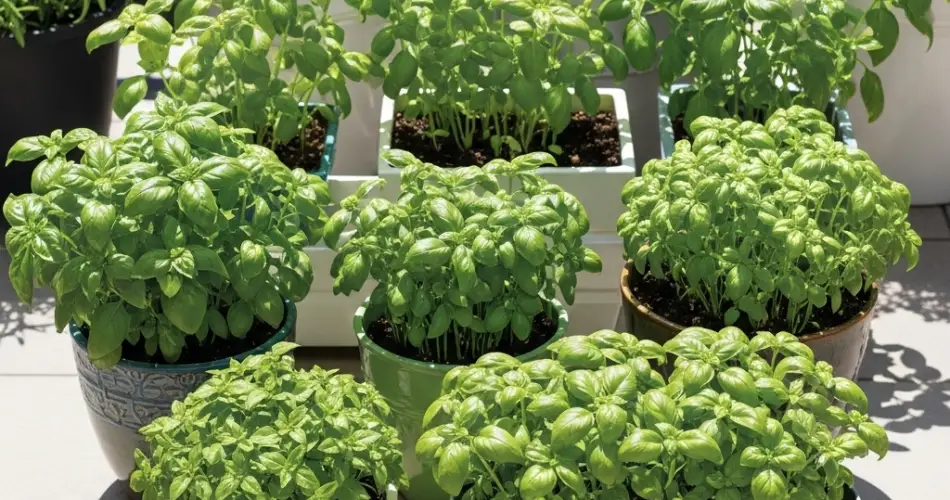
Basil is a fragrant and flavorful herb loved in kitchens around the world. Whether you’re adding it to pasta, salads, or homemade pesto, fresh basil instantly elevates a dish. The good news is, you don’t need a garden to grow this aromatic herb. Even if you live in a small apartment, you can cultivate lush, green basil right on your sunny windowsill.
Growing basil indoors in containers is not only simple but also rewarding. With just a little care and attention, you can have a constant supply of fresh basil at your fingertips. Here’s a complete beginner-friendly guide to help you grow basil with confidence.
Why Grow Basil Indoors?
Basil is one of the easiest herbs to grow at home. It grows quickly, smells wonderful, and doesn’t require much space. When grown indoors:
-
You can harvest it year-round.
-
It’s protected from outdoor pests and weather extremes.
-
It adds a fresh burst of green to your kitchen.
-
You’ll save money on store-bought herbs.
Even a sunny kitchen windowsill is enough to support a thriving basil plant.
Choosing the Right Variety
There are several types of basil to choose from, but the most common and beginner-friendly varieties include:
-
Genovese Basil: Classic Italian variety with large, sweet leaves.
-
Greek Basil: Compact with small, highly aromatic leaves.
-
Lemon Basil: Adds a citrusy flavor, perfect for teas and seafood.
-
Purple Basil: Deep purple leaves, both ornamental and flavorful.
Choose a variety based on your taste preferences or grow a few different types in separate containers.
What You’ll Need
To start your indoor basil garden, gather these essentials:
-
Basil seeds or healthy seedlings
-
A container with drainage holes (6 inches or larger)
-
Light, well-draining potting soil
-
A sunny windowsill that gets at least 6 hours of light daily
-
A spray bottle or small watering can
If your windowsill doesn’t get enough light, consider using a small grow light to supplement.
Planting Basil from Seed
Step 1: Fill the container with moist potting soil, leaving about half an inch from the top.
Step 2: Sprinkle the seeds evenly across the surface and lightly press them into the soil. Cover with a thin layer of soil (about ¼ inch).
Step 3: Mist the surface gently with water to moisten without disturbing the seeds.
Step 4: Cover the pot loosely with plastic wrap or a clear lid to create a mini greenhouse effect. Remove it once the seedlings sprout—usually within 5–10 days.
Alternatively, you can start with store-bought seedlings and transplant them directly into your container.
Light and Temperature Needs
Basil loves warmth and sunlight. Place your container on a windowsill that receives at least 6–8 hours of direct sunlight per day. South-facing windows are ideal.
If natural light is limited, use a grow light for 12–14 hours per day. Keep the indoor temperature between 65°F and 75°F (18°C to 24°C), and avoid cold drafts or placing the plant too close to frosty windows in winter.
Watering and Feeding
Watering:
Basil prefers consistently moist (but not soggy) soil. Water when the top inch feels dry. Overwatering can cause root rot, so ensure your container drains well.
Feeding:
Feed the plant every 4–6 weeks with a diluted liquid fertilizer or compost tea to support lush, leafy growth.
Pruning and Harvesting
Regular pruning helps basil grow fuller and prevents it from flowering too early.
-
Pinch off the top leaves once the plant has at least 6 leaves. This encourages side shoots and bushier growth.
-
Always harvest from the top, never the bottom, to keep the plant healthy.
-
Remove flower buds as soon as they appear to keep the flavor strong and extend the plant’s life.
With regular harvesting, you’ll not only enjoy fresh leaves constantly but also stimulate more growth.
Troubleshooting Common Issues
-
Leggy Growth: Often due to low light. Move the plant to a sunnier spot or add a grow light.
-
Yellow Leaves: Can indicate overwatering or poor drainage.
-
Pests (like aphids or fungus gnats): Wipe leaves with a damp cloth and improve airflow. If needed, use neem oil or a gentle homemade spray of water and dish soap.
Regrowing Basil from Cuttings
If you have an established basil plant or fresh basil stems from the store, you can propagate new plants easily:
-
Cut a 4–5 inch stem just below a leaf node.
-
Remove the bottom leaves and place the stem in a glass of water.
-
Within a week or two, roots will appear.
-
Once roots are about an inch long, transplant the cutting into a pot.
This is a great way to multiply your basil supply at no extra cost.
Final Thoughts
Growing basil on your windowsill is a simple, satisfying way to bring freshness into your kitchen. With just a container, a bit of sunlight, and regular care, you can enjoy the taste and aroma of homegrown basil year-round—even in a small space.
Whether you’re cooking, making tea, or simply enjoying the scent of crushed leaves, your indoor basil plant is sure to become a treasured part of your home.


