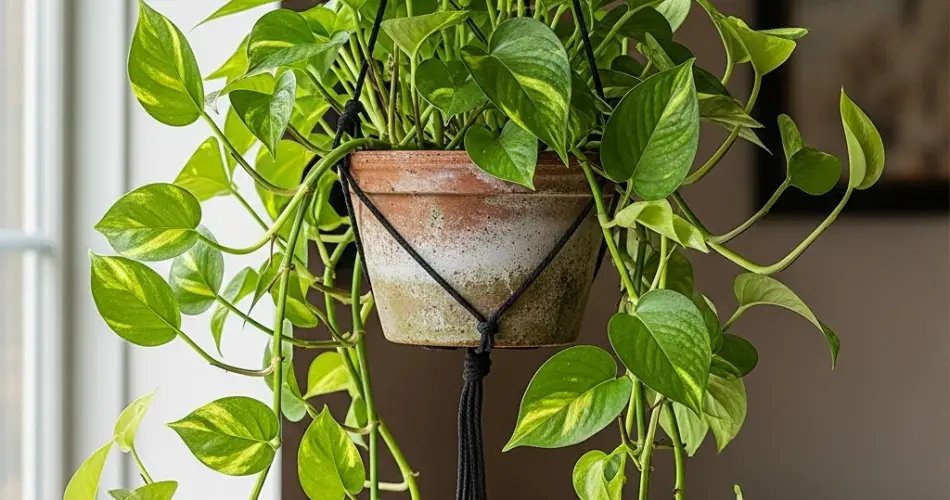
Pothos (Epipremnum aureum), also known as devil’s ivy, is one of the most forgiving houseplants for beginners. Its cascading vines and heart-shaped leaves brighten any space, and it thrives even with minimal care. However, like most indoor plants, watering can make or break its health. Too much water leads to root rot, while too little causes drooping, yellowing, and slow growth.
The secret to healthy pothos is not just how much you water but knowing when to water. That’s where soil moisture checks come in. By learning how to monitor soil moisture correctly, you can provide your pothos with hydration that perfectly matches its needs.
Why Soil Moisture Matters
Pothos roots need both water and oxygen. If the soil is consistently soggy, the roots are deprived of oxygen, leading to rot. On the other hand, if the soil stays bone-dry for too long, the plant can become stressed and drop leaves.
Checking soil moisture ensures:
-
You water only when necessary, avoiding overwatering.
-
The roots have time to breathe between waterings.
-
Your plant grows strong, lush, and resilient.
Proper soil monitoring also helps build a routine that matches your plant’s environment, since temperature, humidity, and light all influence how quickly soil dries out.
The Finger Test: A Classic, Simple Method
One of the easiest and most reliable ways to check soil moisture is the finger test.
-
Insert your finger about 1–2 inches deep into the soil.
-
If the top inch feels dry but still slightly cool underneath, it’s time to water.
-
If it feels moist at the surface, wait a few more days before watering.
This method works well for pothos since their watering needs are moderate. They prefer to dry slightly between waterings but should not sit dry for extended periods.
Using a Wooden Stick or Chopstick
If you prefer not to use your hands, a wooden chopstick or skewer is another simple tool.
-
Push the stick into the soil about halfway down the pot.
-
Remove it and check for moisture.
-
If soil sticks to the wood or it looks dark and damp, the plant doesn’t need water.
-
If it comes out clean and dry, it’s time to water.
-
This method is especially helpful if you have a larger pothos in a deep pot, where the top may feel dry while the lower layers still hold moisture.
Soil Moisture Meters: Extra Accuracy
For those who like more precision, a soil moisture meter provides a quick reading. These devices measure the soil’s moisture level and display it on a scale.
-
Insert the probe about 2–3 inches into the soil.
-
Read the moisture level. For pothos, the meter should register in the middle range—neither completely dry nor overly wet.
While meters are handy, they should complement, not replace, observation. Sometimes buildup in the soil can affect readings, so cross-checking with the finger test is still wise.
Lift the Pot: A Weight-Based Trick
Another practical method is to lift the pot. Over time, you’ll notice that a freshly watered pothos pot feels heavier, while a dry one is much lighter.
-
Heavy pot: The soil is saturated, and no watering is needed.
-
Light pot: The soil has dried, and the plant is ready for hydration.
This trick works especially well with smaller or medium-sized pots, where weight differences are more noticeable.
Observing the Plant’s Signals
While soil checks are the most reliable, your pothos will also give clues when it’s thirsty:
-
Leaves start to droop or curl slightly.
-
Growth slows noticeably.
-
Older leaves turn yellow if dryness persists.
It’s important to respond early. Waiting until the plant fully wilts stresses the roots, which can weaken overall growth.
Best Watering Practices for Pothos
Once you’ve confirmed the soil needs water, follow these steps for the best results:
-
Water thoroughly: Add water until it drains out of the bottom of the pot. This ensures the entire root ball gets hydrated.
-
Empty the saucer: Never let the pot sit in standing water, as this encourages root rot.
-
Adjust with seasons: In spring and summer, you may need to water every 1–2 weeks. In fall and winter, the plant grows more slowly, so water less often.
Always combine soil checks with a routine rather than relying on a fixed calendar schedule.
Avoiding Common Mistakes
Even with moisture checks, some habits can harm your pothos:
-
Watering on a strict schedule: Conditions change, so always test the soil first.
-
Shallow watering: Light sprinkles only wet the top layer, leaving roots thirsty.
-
Using non-draining pots: Without drainage holes, excess water collects at the bottom, leading to rot.
By avoiding these mistakes, you ensure your soil checks translate into effective hydration.
Final Thoughts
Mastering soil moisture checks is the key to perfect pothos hydration. Whether you use the finger test, chopstick method, moisture meters, or simply lift the pot, the goal is the same: keep the soil slightly moist but never waterlogged.
When you water only when the soil signals it’s time, your pothos rewards you with lush, trailing vines, vibrant green leaves, and a plant that thrives for years. By combining moisture monitoring with good watering habits, you’ll have a pothos that’s not just surviving but flourishing.


