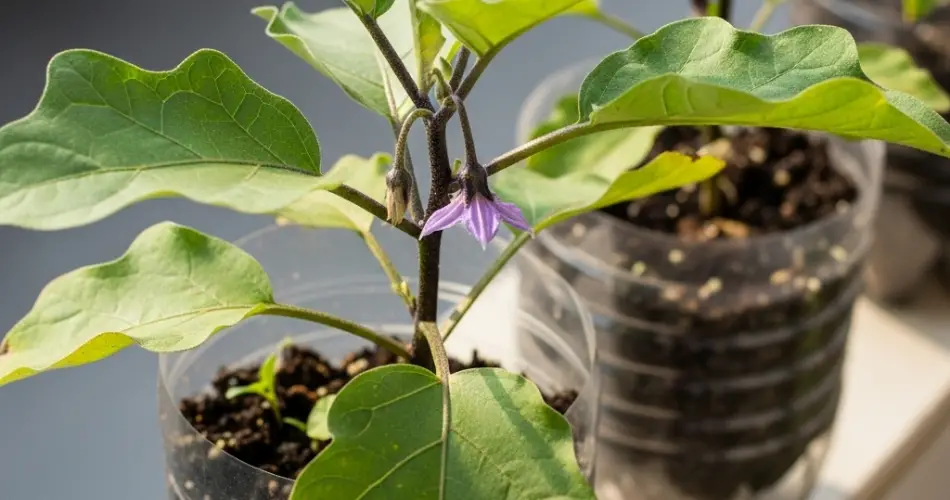
Growing eggplants in recycled plastic bottles is a smart way to save space and reuse materials while cultivating fresh produce at home. Eggplants, also known as aubergines, are sun-loving vegetables that thrive in warm climates and do well in containers—if provided with the right conditions. Using large plastic bottles as planters allows even those with small balconies, patios, or sunny windows to enjoy a compact, productive garden.
With proper care, you can expect these beautiful purple fruits to grow successfully in bottles. Below is a comprehensive care guide to help your eggplants thrive in this unique setup.
1. Choosing the Right Container
For growing eggplants in bottles, size matters. Use large plastic containers, ideally 5-liter or larger, to provide sufficient root space. Eggplants develop deep root systems, so depth and volume are key to healthy growth.
Cut an opening at the top or side of the bottle (depending on whether it will sit upright or lie horizontally), and make several drainage holes at the bottom to prevent waterlogging. Wash the container thoroughly and remove any labels to allow light penetration and airflow.
2. Preparing the Soil
Eggplants prefer rich, well-draining soil. Use a high-quality potting mix combined with compost or aged manure. For best results, mix:
-
2 parts potting soil
-
1 part compost
-
A handful of perlite or sand for improved drainage
Before planting, moisten the mix slightly so it’s damp but not soggy.
3. Selecting and Planting Seedlings
While eggplants can be grown from seeds, starting with seedlings is often easier and faster for bottle gardening. Choose compact or dwarf eggplant varieties, such as ‘Fairy Tale’, ‘Patio Baby’, or ‘Little Fingers’, which are well-suited for container growing.
Transplant one seedling per bottle. Plant it deep enough to support the stem and encourage strong root development. Gently press the soil around the base and water lightly.
4. Providing Adequate Sunlight
Eggplants need at least 6–8 hours of direct sunlight daily. Position your bottle planters in a sunny location such as a south-facing balcony, windowsill, or patio. If growing indoors, consider supplementing with a grow light to ensure the plants get enough energy to flower and fruit.
Rotate the bottles every few days to ensure even light exposure on all sides of the plant.
5. Watering Requirements
Eggplants like consistent moisture but don’t tolerate soggy soil. Water when the top inch of soil feels dry to the touch. During hot or windy weather, container plants may require daily watering.
Ensure that excess water can drain freely from the bottom of the bottle. If the container doesn’t drain well, roots may rot and stunt the plant’s growth.
6. Fertilizing for Growth
Eggplants are heavy feeders. Apply a balanced liquid fertilizer (such as 10-10-10 or a vegetable-specific blend) every 2–3 weeks. As the plant begins to flower and set fruit, switch to a fertilizer higher in phosphorus and potassium to encourage fruit development.
Alternatively, you can use slow-release organic pellets mixed into the soil at planting time, topped up mid-season.
7. Supporting the Plants
As eggplants mature, their fruits can become heavy, especially in a small bottle setup. Use stakes, small cages, or hang the bottle in a way that offers vertical support to prevent the plant from tipping over.
Tie the main stem gently to the support using soft twine or strips of fabric to avoid damage.
8. Pollination Tips
If growing indoors or in areas with few pollinators, you may need to assist with pollination. Use a soft brush or cotton swab to transfer pollen between flowers. Gently brush the inside of one flower and touch it to the next—this helps increase fruit production.
Outdoors, bees and other insects will typically handle pollination naturally.
9. Pruning and Maintenance
Regularly remove yellowing leaves, suckers, or damaged stems to improve airflow and energy distribution. Pruning also helps reduce the risk of disease and keeps the plant compact, which is important in a bottle garden.
Inspect your plant frequently for signs of pests like aphids or spider mites. Treat infestations promptly with organic insecticidal soap or neem oil.
10. Harvesting Your Eggplants
Most varieties are ready to harvest 60–80 days after transplanting. Harvest when the fruit is firm, glossy, and reaches its expected mature size. Avoid waiting too long, as overripe eggplants can become bitter and tough.
Use garden shears or a sharp knife to cut the stem, leaving a short piece attached to the fruit. Frequent harvesting encourages the plant to produce more.
Additional Tips for Success
-
Reuse plastic water dispenser bottles or oil containers for larger root space.
-
Avoid overcrowding. One plant per bottle ensures healthy growth.
-
Apply mulch (like dried leaves or coconut husk) on the soil surface to retain moisture.
-
Replenish soil between seasons or rotate crops to prevent nutrient depletion.
Conclusion
Growing eggplants in plastic bottles is a rewarding, space-efficient way to enjoy homegrown vegetables. With the right care—ample sunlight, consistent watering, and proper support—your bottle-grown eggplants will thrive and yield delicious results. This method makes sustainable gardening accessible, especially for urban dwellers who want to turn limited space into a productive edible garden.


