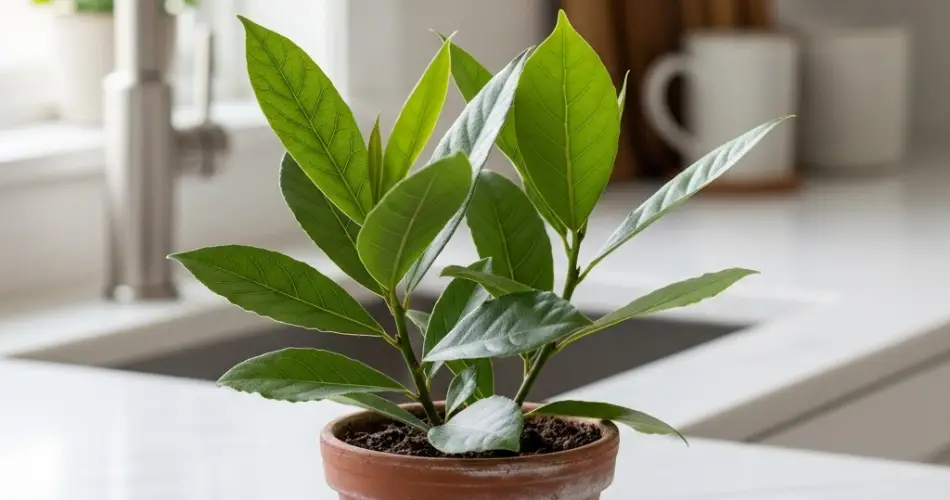
Bay leaf, or Laurus nobilis, is a classic culinary herb valued for its aromatic leaves, which enhance soups, stews, sauces, and many other dishes. While often grown outdoors in warm climates, bay leaf plants can also thrive indoors with the right care. Indoor cultivation allows gardeners to enjoy a steady supply of fresh leaves year-round, even in limited spaces or cooler regions. By understanding the plant’s needs, you can maintain a healthy, fragrant bay leaf plant that enhances both your cooking and home environment.
Bay leaf plants are slow-growing evergreens, with dark green, glossy leaves and a subtle, pleasant fragrance. While they can reach several feet outdoors, indoor plants typically stay more compact, making them suitable for containers, window sills, or even as decorative houseplants.
Choosing the Right Container
Selecting the appropriate pot is essential for indoor bay leaf cultivation. Choose a container with:
-
Good Drainage: Excess water can cause root rot, so pots must have drainage holes.
-
Size: A medium-sized pot (10–14 inches in diameter) is ideal for young plants. As the plant grows, it may need repotting every 2–3 years.
-
Material: Terra-cotta or ceramic pots are preferred because they allow airflow and prevent waterlogging.
Proper container choice ensures the plant’s roots remain healthy and promotes steady growth over time.
Soil Requirements
Bay leaf plants prefer well-draining soil with a slightly acidic to neutral pH (6.0–7.0). A good indoor soil mix can include:
-
Standard potting soil
-
Sand or perlite to improve drainage
-
Organic compost to provide nutrients
Avoid heavy, clay-based soils indoors, as they retain too much moisture and increase the risk of root diseases.
Light and Placement
Bay leaf plants thrive in bright, indirect light. For indoor growth:
-
Windowsills: A south- or west-facing window is ideal.
-
Supplemental Lighting: If natural light is limited, use grow lights for 10–12 hours a day.
-
Avoid Direct Sunlight: While bay leaves can tolerate some sun, harsh direct rays may scorch indoor leaves.
Rotating the plant occasionally ensures even growth and prevents leaning toward the light source.
Watering and Humidity
Bay leaf plants prefer moderately moist soil but are tolerant of short dry periods. To maintain optimal conditions:
-
Watering Schedule: Water when the top 1–2 inches of soil feel dry.
-
Avoid Overwatering: Waterlogged soil can lead to root rot, which is a common indoor issue.
-
Humidity: Bay leaf plants appreciate moderate humidity. Mist leaves occasionally or place a small tray of water nearby to maintain moisture in dry indoor environments.
Consistency is key; sudden changes in moisture levels can stress the plant and cause leaf drop.
Fertilizing Indoors
Indoor bay leaf plants benefit from light fertilization during the growing season (spring and summer):
-
Use a balanced, water-soluble fertilizer every 4–6 weeks.
-
Reduce or stop fertilization during fall and winter when growth naturally slows.
-
Organic options like compost tea or diluted fish emulsion are also effective and safe for edible plants.
Avoid over-fertilizing, which can lead to excessive leaf growth and reduced flavor quality.
Pruning and Maintenance
Regular pruning keeps bay leaf plants compact and encourages healthy foliage:
-
Trimming: Snip off yellow or damaged leaves to maintain a tidy appearance.
-
Shaping: Lightly prune branches to maintain a manageable size for indoor spaces.
-
Harvesting: Pick leaves as needed, but avoid removing more than one-third of the plant at a time to prevent stress.
Pruning also promotes airflow through the foliage, reducing the risk of pests and diseases.
Common Indoor Challenges
While bay leaf plants are relatively low-maintenance, indoor gardeners may encounter:
-
Leaf Drop: Often caused by low humidity, inconsistent watering, or sudden temperature changes.
-
Pests: Spider mites, scale, and aphids may appear. Treat infestations with insecticidal soap or neem oil.
-
Slow Growth: Limited light or nutrient-poor soil can reduce growth. Ensure adequate light and occasional feeding.
Monitoring the plant regularly helps address problems early and ensures healthy, productive growth.
Final Thoughts
Caring for bay leaf plants indoors is straightforward with attention to light, water, soil, and regular maintenance. A healthy indoor bay plant can provide fresh leaves for years, adding flavor to your cooking and greenery to your home.
With the right container, proper soil, and consistent care, you can enjoy the aromatic, glossy leaves of bay for soups, stews, sauces, and more. Indoor bay leaf cultivation is a practical and rewarding way to grow a classic herb, ensuring your kitchen is always stocked with fresh, flavorful leaves.
By combining thoughtful placement, careful watering, and occasional pruning, indoor gardeners can create a thriving bay leaf plant that is both functional and decorative, enhancing your culinary experience and indoor environment alike.


