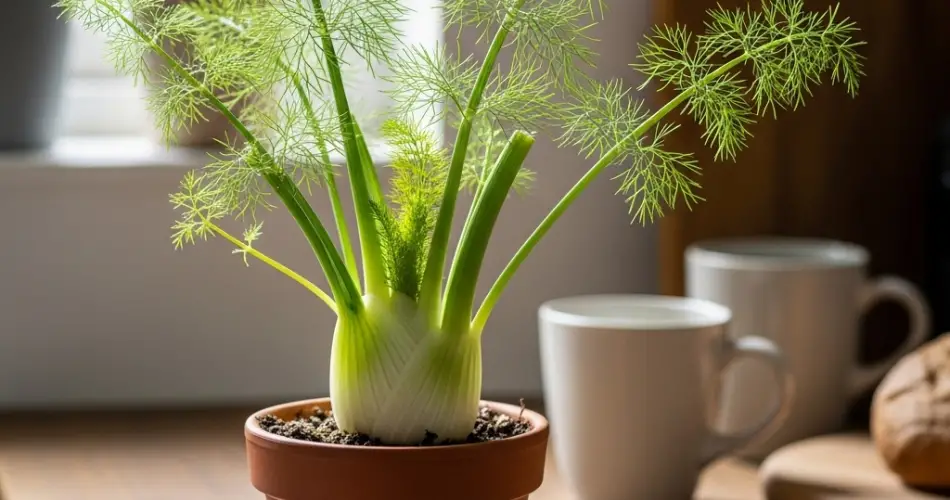
Fennel is an aromatic and versatile herb that enhances a variety of dishes with its sweet, licorice-like flavor. While traditionally grown outdoors in garden beds, fennel can thrive indoors when given proper care. Growing fennel in a sunny kitchen corner is an excellent solution for those with limited outdoor space, offering fresh herbs within easy reach while adding greenery to your home.
Choosing the Right Fennel Variety
Fennel comes in two main types: herb fennel and Florence fennel. Herb fennel produces delicate, feathery leaves suitable for garnishes, salads, and flavoring dishes. Florence fennel develops a bulbous base that can be sliced, roasted, or sautéed. For indoor cultivation, choose compact varieties of Florence fennel or herb fennel, as they adapt better to containers and smaller spaces.
Selecting the Right Container
A wide and deep container is essential for indoor fennel. The plant develops a long taproot, and a deep pot allows for proper root growth and bulb expansion. Containers should have drainage holes to prevent waterlogging, which can lead to root rot. Terra cotta or ceramic pots are ideal, as they help regulate soil moisture, but any well-draining container will work. A container about 12 inches deep and wide is suitable for most indoor fennel varieties.
Preparing the Soil
Fennel thrives in rich, well-draining soil. A potting mix containing garden soil, compost, and perlite or sand ensures a loose, fertile medium for root and bulb development. Adding a slow-release organic fertilizer provides essential nutrients during early growth stages. Avoid compacted or heavy soils, which can hinder root expansion and reduce overall plant health.
Sowing and Planting Fennel
For herb fennel, sow seeds directly in the container, spacing them 2–3 inches apart. Florence fennel seedlings can be started indoors and transplanted once they reach 4–6 inches tall. Lightly cover the seeds with soil and water gently to maintain moisture. Germination typically occurs within 7–14 days under ideal conditions. Keep the soil consistently moist but not soggy, as overwatering can harm the plant.
Light Requirements and Placement
Fennel requires plenty of light to grow well. Place your container in a sunny kitchen corner or near a south-facing window where it can receive bright, indirect sunlight. If natural light is limited, supplement with a grow light for 10–12 hours per day. Avoid placing fennel near heating vents or drafty windows, as extreme temperature fluctuations can stress the plant.
Watering and Maintenance
Consistent watering is critical for indoor fennel. Water when the top inch of soil feels dry, ensuring even moisture throughout the container. Overwatering can cause root rot, while underwatering can stress the plant and inhibit growth. Feed the plant every few weeks with a balanced, water-soluble fertilizer to replenish nutrients that deplete in container soil.
Prune herb fennel regularly to encourage bushier growth and prevent legginess. For Florence fennel, thin seedlings as needed to avoid overcrowding, giving bulbs room to develop fully.
Harvesting Fennel
Herb fennel leaves can be harvested once the plant reaches 6–8 inches in height. Trim leaves selectively, leaving enough foliage for continued growth. Florence fennel bulbs are ready to harvest when they reach 2–3 inches in diameter. Cut bulbs at soil level and use immediately, or store in the refrigerator. Regular harvesting stimulates new growth and ensures a steady supply of fresh fennel.
Common Challenges
Indoor fennel is generally low-maintenance but may encounter issues such as overcrowding, inconsistent watering, or insufficient light. Pests like aphids or spider mites can occasionally appear. Address infestations with organic treatments such as neem oil or insecticidal soap. Maintaining proper spacing, light, and water levels prevents most problems and encourages healthy growth.
Benefits of Indoor Fennel
Growing fennel indoors offers convenience, freshness, and aesthetic appeal. It allows easy access to flavorful herbs for cooking while brightening your kitchen with its feathery leaves and elegant bulbs. Indoor cultivation also reduces trips to the grocery store and provides control over growing conditions, ensuring pesticide-free produce.
Conclusion
Cultivating fennel in a sunny kitchen corner is a practical and rewarding way to grow fresh herbs in small spaces. By selecting suitable varieties, providing nutrient-rich, well-draining soil, and maintaining consistent watering and light, indoor gardeners can enjoy a continuous supply of aromatic fennel. Whether for garnishing meals, adding flavor to dishes, or simply enjoying the visual appeal of its foliage, fennel is an ideal herb for countertop or windowsill gardening, bringing both culinary and decorative benefits into the home.


