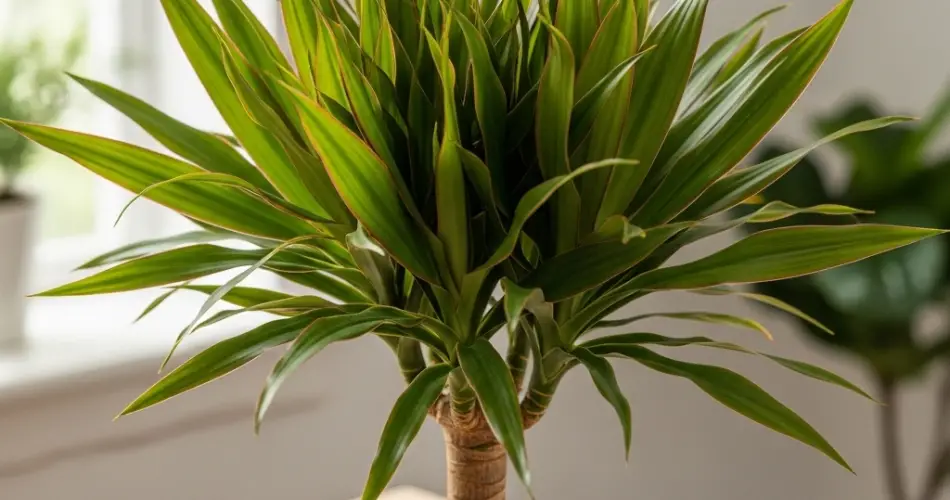
Dracaenas are elegant indoor plants, valued for their upright growth, striking foliage, and low-maintenance care. While they are relatively resilient, winter introduces unique challenges for their health, particularly in terms of watering. During colder months, indoor conditions change significantly, and Dracaenas require adjustments in their watering routine to prevent stress, leaf damage, or root rot. Understanding how to modify your watering habits ensures that your plant remains vibrant and healthy throughout winter.
Why Winter Watering Is Different
During winter, Dracaenas enter a period of slower growth, often referred to as dormancy. Several environmental factors influence their water needs:
-
Reduced growth: With lower light levels and cooler temperatures, the plant’s metabolic rate decreases, meaning it uses less water.
-
Indoor climate: Heating systems and drafty windows can reduce humidity, causing soil to dry differently than in warmer months.
-
Root sensitivity: Roots are more vulnerable in cooler conditions. Excess water can accumulate in the soil, leading to root rot if not managed carefully.
Adjusting watering routines to account for these changes is essential to maintain healthy roots and leaves.
Assessing Soil Moisture
The first step in winter watering is assessing the soil’s moisture level:
-
Finger test: Insert your finger about one inch into the soil. If the soil feels dry at this depth, it’s time to water. If it’s still moist, hold off.
-
Observation: Yellowing leaves or drooping tips can indicate overwatering or underwatering. Monitor your plant closely for early signs of stress.
-
Pot type: Clay pots allow for faster evaporation, while plastic containers retain moisture longer. Adjust your watering frequency according to the pot material.
By checking the soil before watering, you can avoid both overwatering and underwatering, which are common issues during winter.
Adjusting Watering Frequency
Winter requires a reduced watering schedule compared to spring and summer:
-
Slow growth periods: Water less frequently to prevent waterlogged soil. Many Dracaenas only need water every 2–3 weeks in winter, depending on indoor conditions.
-
Observation-based approach: Rather than adhering to a strict schedule, water based on soil dryness and the plant’s appearance.
-
Smaller amounts: When you do water, provide enough to moisten the soil thoroughly without creating standing water in the pot or saucer.
Reducing watering frequency ensures that roots are not exposed to prolonged wet conditions, which can lead to rot.
Maintaining Humidity
Indoor heating systems often reduce humidity, which can affect leaf health even when soil moisture is managed:
-
Humidity trays: Place a shallow tray filled with water and pebbles beneath the pot. The evaporating water increases local humidity around the plant.
-
Group plants together: Positioning multiple plants near each other creates a microenvironment with slightly higher humidity.
-
Misting: Lightly mist leaves occasionally, avoiding over-saturation, which can encourage fungal growth.
Maintaining adequate humidity supports leaf turgor and prevents browning edges during the dry winter months.
Supporting Plant Health
Proper winter watering works best when combined with complementary care practices:
-
Light: Ensure the plant receives bright, indirect light. Even in winter, light helps maintain healthy leaves and reduces stress.
-
Temperature: Keep the plant in a stable environment between 65–75°F (18–24°C) and away from cold drafts or heating vents.
-
Pruning: Remove yellowed or damaged leaves to redirect energy toward healthy growth.
By combining reduced watering with appropriate light, temperature, and pruning, your Dracaena can weather winter successfully.
Signs of Winter Watering Problems
-
Overwatering: Yellowing or drooping leaves, mushy stems, and root rot indicate excess moisture.
-
Underwatering: Dry, curling leaf tips or leaf drop signal insufficient water.
-
Stress from rapid temperature changes: Sudden exposure to drafts or heat can exacerbate moisture-related problems.
Recognizing these early signs allows you to make quick adjustments and protect your plant.
Final Thoughts
Adjusting watering during winter is crucial for the health of Dracaenas. Slower growth, lower light levels, and cooler temperatures all reduce water requirements. By assessing soil moisture, reducing watering frequency, maintaining humidity, and supporting overall plant health, you can prevent stress and damage. Careful attention to winter watering routines ensures that your Dracaena remains strong, vibrant, and ready to resume rapid growth when spring arrives. With the right approach, even the coldest months can leave your indoor Dracaena thriving and beautiful.


