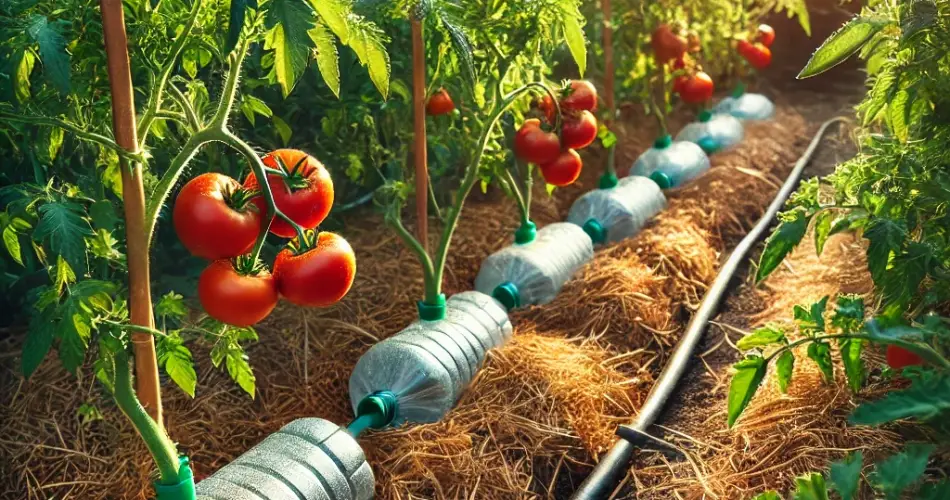
Tomatoes are a plant that requires a significant amount of water, particularly during periods of high temperatures. To ensure healthy growth and high yields, it is essential to water them regularly and properly. Tomatoes are one of the easiest horticultural plants to cultivate, and whether you have a garden or not, you can still enjoy the delicious taste of homegrown, chemical-free tomatoes. However, proper watering is a crucial aspect of their care.
Understanding When to Water Tomatoes
Water is fundamental to the survival of tomato plants, but both overwatering and underwatering can be detrimental to their health. If the soil remains dry for too long, the roots weaken and eventually die. Conversely, if the soil is too wet, the roots may suffocate and rot, making them vulnerable to fungal infections.
The key to successful watering is to assess soil moisture accurately. Simply looking at the surface is not enough; you should dig a few centimeters into the soil to check its moisture level. If the soil is still damp below the surface, it is better to delay watering. A moisture meter can also help determine whether your tomato plants need water, providing more precision and preventing potential overwatering issues.
The Importance of Proper Watering Techniques
Just as humans can feel uncomfortable after consuming too much water at once, plants also suffer when they are suddenly exposed to excessive amounts of water. If roots remain in overly wet soil for extended periods, they can suffocate due to the lack of oxygen. This creates an ideal environment for fungal growth, which can severely damage or even kill the plant.
Fungi thrive in warm, humid conditions, and excessive watering can increase their likelihood of spreading. To reduce the risk, avoid watering leaves, flowers, and fruits directly. Instead, focus on watering the soil around the base of the plant. If you want to learn more about cultivating healthy and productive tomato plants, follow our content, which offers detailed guides and instructional videos.
How to Water Tomato Plants Correctly
To ensure that tomato plants receive the right amount of water, consider the following watering techniques:
- Check Soil Moisture – Dig a few centimeters into the soil to assess its moisture content. A digital moisture meter can also provide accurate readings.
- Use an Efficient Irrigation System – Drip irrigation is ideal for garden-grown tomatoes because it delivers water directly to the root zone, reducing water loss through evaporation.
- For Potted Tomatoes – If your tomato plants are in pots, water them thoroughly and place a saucer underneath to catch excess water. However, be sure to remove any standing water to prevent root rot.
- Ensure Proper Drainage – Water should be able to drain well from the soil, preventing it from becoming waterlogged.
How Often Should You Water Tomatoes?
The frequency of watering varies depending on the growing conditions:
- Potted tomato plants should be watered about three times a week during summer and twice a week in cooler seasons.
- Garden-grown tomatoes need more frequent watering, especially in hot and dry climates. In summer, they may require daily watering, while in spring and fall, watering twice a week is typically sufficient.
During the summer months, a minimum of one liter of water per plant per day is necessary. If the soil dries out too quickly, consider watering both in the morning and evening, providing one liter per plant each time. Watering should always be done gradually and at the right time—either early in the morning or late in the evening when the air temperature is lower.
The Best Time to Water Tomatoes
Watering at the right time of day is essential for plant health. Avoid watering during the hottest part of the day, as the water will evaporate quickly, reducing its effectiveness. Instead, water your tomato plants early in the morning or in the evening when the sun is setting. Additionally, allow the water to sit in a container overnight so it reaches a temperature that is closer to the surrounding air and soil. Using extremely cold water directly from a well or tap can shock the plant roots, leading to stress and reduced fruit production.
Protecting Plants from Heat and Dehydration
Besides proper watering, other measures can help keep tomato plants healthy in hot weather:
- Mulching – Covering the soil with straw, hay, or chopped leaves helps retain moisture, regulates soil temperature, and prevents fungal diseases.
- Shielding from Hot Winds – Protecting plants from strong, hot winds can reduce dehydration and help maintain adequate moisture levels.
- Avoiding Excessive Watering – While consistent watering is crucial, giving plants too much water at once can cause tomatoes to crack. Uneven watering leads to rapid fruit expansion, which can cause the skin to split. Regular watering in moderate amounts is the best approach.
Additional Tips for Tomato Plant Care
If you plan to add fertilizers or nutrients to your plants, ensure the soil is moist before doing so. Applying fertilizers to dry soil can damage the roots and reduce nutrient absorption. Furthermore, if you are using a drip irrigation system combined with mulching, collect and store water in tanks ahead of time to ensure it is at an optimal temperature before watering.
By following these watering strategies, you can keep your tomato plants hydrated and healthy, leading to a bountiful harvest. To learn more about plant care, watch our videos, where we provide detailed instructions on disease prevention, maintenance, and watering techniques. With the right approach, you can successfully protect your plants from extreme heat while ensuring they receive the right amount of water at the right time.


