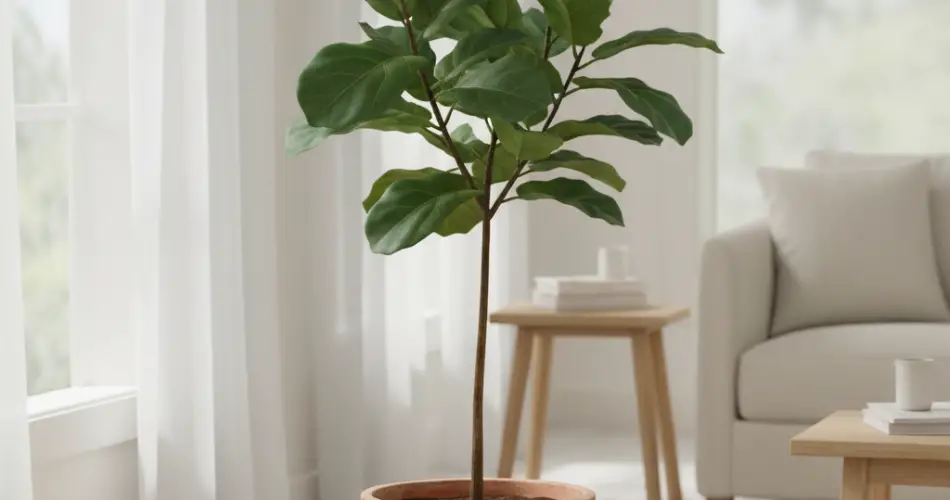
Fiddle leaf figs (Ficus lyrata) are among the most sought-after houseplants today, thanks to their large, violin-shaped leaves and striking, sculptural presence. They bring a sense of tropical elegance and height to indoor spaces, making them a favorite for living rooms, offices, and indoor gardens. However, one of the most common questions for new and experienced plant owners is: How much sunlight does a fiddle leaf fig really need? Understanding its light requirements is key to maintaining healthy foliage, encouraging growth, and preventing stress or leaf drop.
Understanding Fiddle Leaf Fig Light Preferences
Native to the tropical rainforests of West Africa, fiddle leaf figs naturally grow under the canopy of tall trees, where they receive bright, filtered sunlight rather than direct sun. Over time, these plants have adapted to thrive in conditions that mimic dappled sunlight—bright enough to promote growth but not so harsh that it scorches their delicate leaves.
Indoors, this translates to a preference for bright, indirect light. While fiddle leaf figs can tolerate lower light levels, insufficient light may slow growth, reduce leaf size, and cause leaves to drop. Conversely, too much direct sunlight can burn the leaves, leaving brown or crispy edges.
The Right Amount of Sunlight
-
Bright, Indirect Light: Place your fiddle leaf fig near an east-facing or south-facing window, where it receives filtered sunlight for several hours each day. This ensures steady growth and maintains the plant’s vibrant green leaves.
-
Avoid Harsh Direct Sunlight: While short periods of gentle morning sun are generally fine, prolonged exposure to intense afternoon sunlight can cause leaf scorching. If your plant must be near a west-facing window, use sheer curtains or blinds to diffuse the light.
-
Low Light Tolerance: Fiddle leaf figs can survive in lower-light conditions, such as rooms with north-facing windows or areas further from direct light sources. However, growth may slow, and the plant may become leggy as it stretches toward available light.
Signs Your Fiddle Leaf Fig Is Receiving Too Much or Too Little Light
Monitoring your plant can help you adjust its environment:
-
Too Little Light: Leaves may turn pale or yellow, growth slows, and lower leaves may drop. The plant may also stretch toward light sources, causing uneven growth.
-
Too Much Light: Leaves may develop brown or crispy edges, especially on the side facing the window. Direct sun can stress the plant and make it more susceptible to pests.
Tips for Providing Optimal Sunlight
-
Choose the Right Spot: East- or south-facing windows are typically ideal. Place the plant a few feet away from direct sunlight to prevent leaf burn.
-
Rotate Regularly: Turn your fiddle leaf fig every few weeks to ensure all sides receive light evenly. Uneven exposure can cause leaning or uneven growth.
-
Diffuse Strong Light: Use sheer curtains or blinds to soften harsh sunlight, especially in rooms with intense afternoon sun.
-
Supplement with Artificial Light: If your space lacks natural light, fluorescent or LED grow lights can provide the necessary illumination. Place the plant under bright artificial light for 10–12 hours per day for steady growth.
-
Gradual Adjustments: When moving your plant to a brighter location, do so gradually to prevent shock or sunburn.
Additional Care Considerations
Sunlight is critical, but other factors also affect a fiddle leaf fig’s health:
-
Watering: Adequate light affects how quickly the soil dries. Plants in brighter spots may need more frequent watering, while those in lower-light areas require less. Always allow the soil to dry slightly between waterings to prevent root rot.
-
Humidity: Fiddle leaf figs prefer moderate humidity. In dry indoor conditions, misting leaves or using a humidifier can help maintain foliage health.
-
Temperature: Ideal indoor temperatures range from 60°F to 75°F (16°C–24°C). Avoid placing the plant near drafts or heat vents, which can stress the leaves.
Benefits of Proper Light
Providing optimal sunlight helps ensure:
-
Vibrant, Healthy Leaves: Bright indirect light promotes glossy, deep green leaves.
-
Steady Growth: Adequate light encourages strong stems and larger leaves, maintaining the plant’s dramatic presence.
-
Leaf Retention: Proper light reduces stress and leaf drop, keeping the plant lush and full.
-
Resilience to Pests and Disease: Healthy, well-lit plants are better able to resist pests and fungal infections.
Conclusion
Fiddle leaf figs are adaptable and can survive in a range of indoor light conditions, but for optimal health, bright, indirect light is essential. Avoid prolonged direct sunlight, and supplement with artificial light if necessary. By choosing the right location, monitoring leaf health, and adjusting light exposure gradually, you can enjoy a thriving fiddle leaf fig with vibrant foliage and steady growth. Proper sunlight is the foundation for a plant that not only enhances your indoor space but also remains a centerpiece of natural beauty for years to come.


