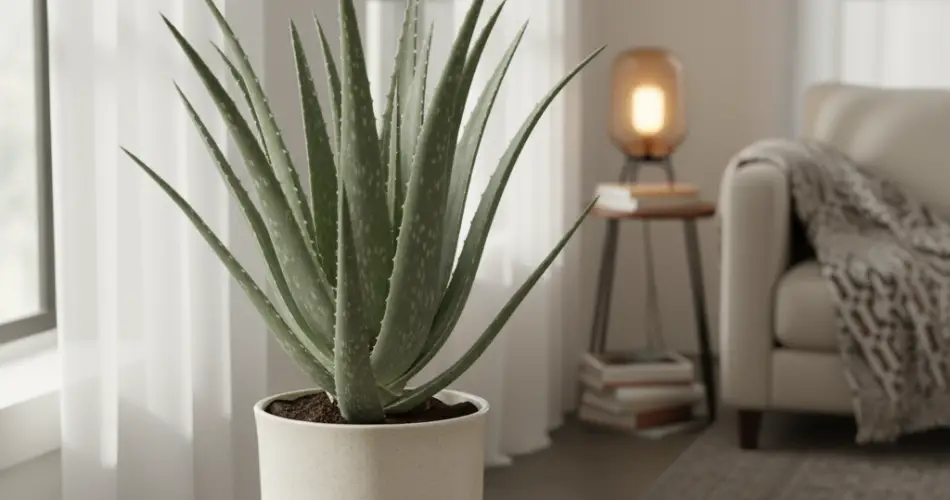
Aloe vera is one of the most widely grown succulents, celebrated for its healing gel, air-purifying qualities, and easygoing nature. While many people know aloe as a “tough plant” that can thrive with minimal attention, its health and appearance depend largely on getting the right amount of sunlight. Too little light, and it becomes weak and stretched; too much direct sun, and its leaves can burn. Whether you’re growing aloe indoors on a windowsill or outdoors in the garden, understanding its sunlight requirements is key to keeping it healthy and productive.
Natural Habitat and Growth Habit
Aloe vera originates from arid regions of the Arabian Peninsula and Africa, where it grows under hot, sunny skies. In these areas, the plant is exposed to abundant light but also benefits from conditions such as well-draining soil and occasional shade from surrounding rocks or vegetation. This background explains why aloe thrives in bright light but also needs protection from overly harsh conditions.
Indoor Sunlight Needs
When grown indoors, aloe vera performs best in bright, indirect sunlight. A sunny window is the ideal location, but the direction matters:
-
South- or West-Facing Windows: Provide the strongest light, often suitable for aloe. A sheer curtain may help filter harsh afternoon rays.
-
East-Facing Windows: Offer gentler morning sun, which aloe tolerates well.
-
North-Facing Windows: Usually too dim, leading to weak, elongated leaves.
Signs of insufficient light indoors:
-
Stretched, thin, or floppy leaves (a condition called etiolation).
-
Pale or yellowing foliage.
-
Slowed growth or no new leaves.
If your indoor aloe looks weak, moving it to a brighter spot or supplementing with a grow light can restore its strength.
Artificial lighting: LED or fluorescent grow lights can replace natural sunlight in low-light homes. Position the plant about 6–12 inches from the light for 12–14 hours per day to mimic the intensity of natural sun.
Outdoor Sunlight Needs
Outdoors, aloe vera enjoys bright, direct sunlight for at least six hours a day. In regions with mild climates, it can grow happily in full sun year-round. However, in very hot areas, especially during summer afternoons, the leaves can scorch.
To prevent sun damage:
-
Acclimate Gradually: Move indoor aloe outdoors in stages, starting with a shaded patio before placing it in direct sunlight.
-
Provide Partial Shade: In extremely hot regions, place aloe where it receives morning sun and afternoon shade.
-
Use Containers Wisely: If growing aloe in pots, they can be moved seasonally—full sun in spring and autumn, partial shade in summer.
Signs of too much sun outdoors:
-
Brown or reddish patches on the leaves.
-
Crispy tips or edges.
-
Leaves turning orange or bronze (a stress response to protect from light).
Balancing Sunlight with Other Care Factors
Light is critical, but aloe vera’s overall health also depends on water, soil, and temperature. These factors interact with light exposure:
-
Watering: Aloe in bright sun uses water faster than aloe in shade. Indoors, reduce watering in low-light settings to prevent root rot.
-
Soil: Use a fast-draining cactus or succulent mix so roots don’t stay soggy, especially when plants receive lots of sunlight.
-
Temperature: Aloe prefers warm conditions and struggles if exposed to frost. Outdoor plants should be brought inside when temperatures drop below 50°F (10°C).
Seasonal Adjustments
-
Spring and Summer: Aloe grows actively and benefits from more sunlight. This is the best time to place it outdoors if conditions allow.
-
Autumn and Winter: Light levels indoors naturally decrease. Moving aloe closer to windows or supplementing with grow lights prevents stretching. Outdoors in cooler climates, aloe should be moved inside before frost arrives.
Placement Ideas
-
Indoors: On a sunny kitchen windowsill, near a bright living room window, or under a grow light setup.
-
Outdoors: In containers on a patio, in a rock garden with other succulents, or as a decorative border plant in warm climates.
By choosing the right placement, you ensure aloe gets the light it needs without the stress of overexposure.
Final Thoughts
Aloe vera may be low-maintenance, but its sunlight requirements are non-negotiable if you want a thriving plant. Indoors, it prefers bright, indirect light near a sunny window or under grow lights. Outdoors, it loves full sun but benefits from gradual acclimation and protection from extreme heat.
By paying attention to how much light your aloe receives—and watching for signs of stress—you can enjoy a healthy, vibrant plant that not only looks beautiful but also provides soothing gel for burns and skin care. With the right balance of sunlight, aloe vera becomes a long-lived, functional, and rewarding part of your home or garden.


