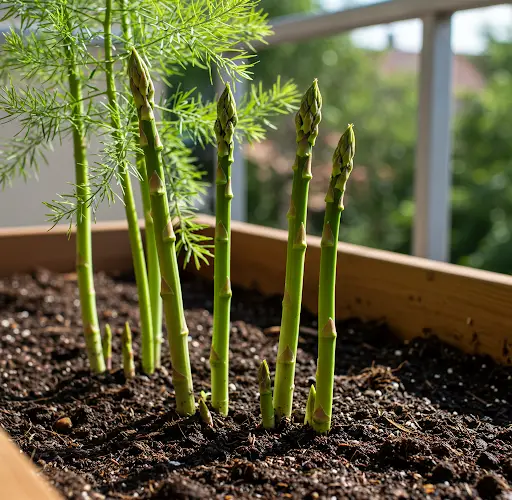
How I Grow Asparagus with Double Yields at Home – No Garden Needed!
Asparagus is a delicious and nutritious vegetable that many people assume requires a large garden to grow. However, with the right techniques, you can successfully cultivate asparagus at home—even in small spaces like balconies, patios, or even indoors. By using containers, vertical gardening techniques, and the proper care methods, you can maximize your asparagus yield without the need for a traditional garden. This guide will show you step-by-step how to grow asparagus with double yields at home, no matter where you live.
Why Grow Asparagus at Home?
Growing asparagus at home has many advantages:
- Cost-effective – Store-bought asparagus can be expensive, especially organic varieties.
- Long lifespan – A well-maintained asparagus plant can produce for 10-20 years.
- Space-saving – Can be grown in containers, making it ideal for small spaces.
- Fresh and chemical-free – Enjoy pesticide-free, homegrown asparagus.
Choosing the Right Asparagus Variety
To maximize your harvest, choose the right asparagus variety based on your climate and space:
- Mary Washington – A classic variety that produces high yields.
- Jersey Giant – A disease-resistant, fast-growing type perfect for containers.
- Purple Passion – A sweet, tender variety that is great for fresh eating.
- UC 157 – Ideal for warm climates and high productivity.
Growing Asparagus in Containers
Since we’re growing asparagus without a garden, using the right containers is crucial. Here’s what you need:
- Container size: Use a deep pot (at least 18-24 inches deep and wide) to accommodate the deep root system.
- Drainage: Ensure the pot has several drainage holes to prevent waterlogging.
- Soil mix: Use a mix of loamy soil, compost, and sand for good drainage and nutrient retention.
Planting Asparagus from Crowns or Seeds
You can start asparagus from seeds or crowns (1-year-old roots).
Starting from Crowns (Faster Method)
- Soak the crowns in warm water for 2-3 hours before planting.
- Fill the container with a mix of soil and compost, leaving a small mound in the center.
- Place the crown on top of the mound, spreading the roots downward.
- Cover with 2 inches of soil and water thoroughly.
- As shoots emerge, gradually add more soil until the pot is full.
Starting from Seeds (Slower but Cheaper)
- Soak asparagus seeds for 24 hours before planting.
- Sow them in a seed tray and keep them in a warm place for germination.
- Transplant seedlings into containers when they reach 6 inches tall.
- Follow the same planting and care steps as with crowns.
Providing Optimal Growing Conditions
To achieve double yields, follow these key care tips:
- Sunlight: Asparagus needs at least 6-8 hours of direct sunlight daily. If growing indoors, place near a south-facing window or use grow lights.
- Watering: Keep soil evenly moist but not soggy. Water deeply once or twice a week.
- Mulching: Add a layer of straw, dried leaves, or coconut husks to retain moisture and suppress weeds.
- Fertilization: Use organic fertilizers like compost tea, fish emulsion, or aged manure every 4-6 weeks.
Encouraging More Asparagus Growth
To maximize asparagus yield, use these techniques:
- Avoid Harvesting in the First Year – Let the plants establish strong roots.
- Cut Back Ferns in Late Fall – Trim yellowing fronds to direct energy into new shoots.
- Divide Overcrowded Crowns Every Few Years – This rejuvenates plants and increases productivity.
- Use Vertical Gardening Supports – Helps save space and keeps the plants healthy.
Protecting Asparagus from Pests and Diseases
While asparagus is relatively pest-resistant, here are some common issues and solutions:
- Asparagus Beetles – Handpick beetles or spray neem oil.
- Slugs and Snails – Use crushed eggshells or diatomaceous earth around plants.
- Fungal Diseases – Ensure good airflow and avoid overwatering.
Harvesting Asparagus for Continuous Yield
- In the second year, you can start harvesting for 2-3 weeks.
- By the third year, you can extend harvesting to 6-8 weeks.
- Cut spears when they reach 6-8 inches tall for the best taste.
- Always leave some spears to grow into ferns to ensure next year’s production.
Conclusion
Growing asparagus at home without a garden is not only possible but highly rewarding. By following the right planting, care, and harvesting techniques, you can enjoy a continuous supply of fresh, homegrown asparagus. With proper attention, you’ll double your yields and enjoy this nutritious vegetable for years to come!


