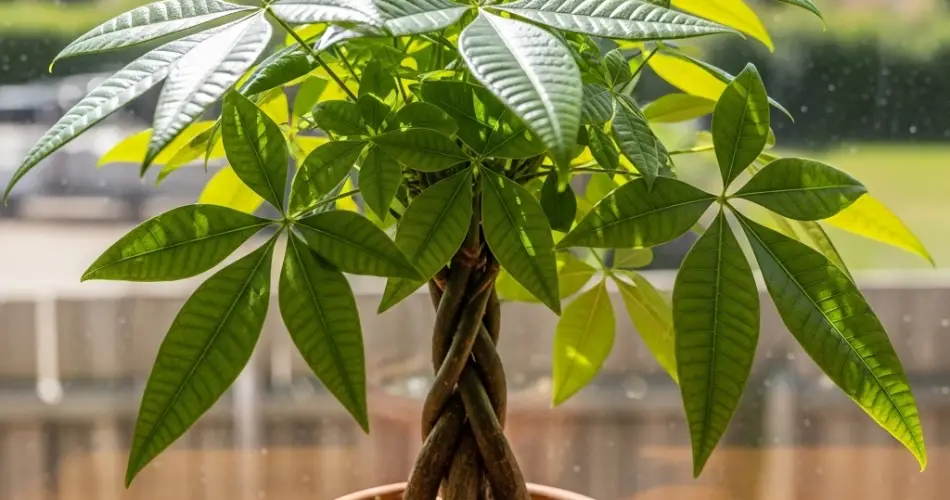
The money tree (Pachira aquatica) has long been admired not only for its attractive braided trunk and lush green leaves but also for its reputation as a powerful symbol of luck and prosperity. Beloved in homes and offices around the world, the money tree is a staple of Feng Shui practices and is often gifted to bring good fortune in business, relationships, and overall well-being.
Beyond its beauty, the plant carries deep cultural symbolism and is thought to attract positive energy wherever it is placed. Let’s explore why the money tree is linked to good fortune, how to position it at home for maximum benefits, and what it represents in different traditions.
The Origin of the Money Tree Legend
The money tree’s symbolism traces back to East Asia, particularly China and Taiwan, where it became a popular Feng Shui plant in the late 20th century. According to legend, a poor man prayed for prosperity and discovered a strange, resilient plant growing in his field. Seeing it as a sign of hope, he cultivated and sold these plants, eventually gaining wealth. From this story, the money tree became associated with luck, opportunity, and financial success.
Today, the braided version of the money tree is the most popular. The braiding is said to lock in positive energy, while the number of leaves on each stem adds to its symbolism. For example, stems with five leaves represent the five natural elements—wood, water, fire, earth, and metal—which are central to Feng Shui balance.
Symbol of Prosperity and Wealth
The money tree is most often connected with financial luck and prosperity. In Feng Shui, it is believed to attract wealth when placed in the “money area” of a home or office, often the southeast corner of a room. Its full, lush foliage symbolizes growth and abundance, while its strong trunk represents stability in finances.
Many businesses and households display a money tree near entrances, desks, or financial spaces to invite prosperity and safeguard wealth. It’s also a popular gift for business openings, new ventures, and housewarmings, where it serves as a living wish for success.
A Plant of Positive Energy
Beyond financial symbolism, the money tree is also valued for promoting positive energy and harmony. Its rounded leaves are considered a symbol of good chi, the life force that flows through spaces in Feng Shui philosophy. By balancing the five elements, the money tree is believed to reduce stress, attract peace, and encourage healthy relationships within the household.
This makes it not only a financial symbol but also a plant associated with emotional well-being and stability in the home.
Placement for Good Fortune
Where you place your money tree is just as important as having one. According to Feng Shui guidelines, here are some ideal spots:
-
Southeast corner of the home or office: Associated with wealth and prosperity.
-
East-facing rooms: Linked with family harmony and health.
-
Living rooms and entryways: Welcoming good fortune and attracting positive energy into the home.
It’s best to avoid placing a money tree in bathrooms, as water energy there can “wash away” luck, or in dark corners where growth is stifled.
Longevity and Stability
Another reason the money tree symbolizes good fortune is its association with longevity and resilience. The plant is hardy, adaptable, and long-living when cared for properly. This durability reflects lasting wealth, steady growth, and stability in life. A thriving money tree serves as a constant reminder of endurance and the rewards of patience and care.
A Thoughtful Gift of Luck
The money tree’s symbolism makes it a meaningful gift for various occasions. Whether celebrating a birthday, wedding, graduation, or new business venture, gifting a money tree conveys wishes of prosperity, stability, and happiness. Its universal appeal makes it suitable for both personal and professional relationships.
Caring for Your Money Tree
To keep the symbolism of good fortune alive, a money tree must be healthy. Basic care includes:
-
Light: Bright, indirect light is ideal. Too much direct sun can scorch the leaves, while too little light may stunt growth.
-
Water: Keep the soil moist but not waterlogged. Overwatering can cause root rot, which diminishes the plant’s vitality.
-
Humidity: As a tropical plant, it thrives in slightly humid environments, making it perfect for kitchens and living spaces.
-
Pruning and shaping: Trimming helps maintain its attractive form and encourages fuller growth.
A flourishing money tree not only looks beautiful but also symbolizes strong, thriving energy in your home.
Conclusion
The money tree is far more than a decorative houseplant—it is a symbol of prosperity, stability, and positive energy deeply rooted in cultural traditions and Feng Shui philosophy. With its braided trunk symbolizing strength and its lush foliage representing abundance, it has become one of the most beloved good luck plants worldwide.
When placed thoughtfully in your home or office, the money tree is believed to attract wealth, foster harmony, and bring lasting fortune. Combined with proper care, this plant becomes a living emblem of growth and prosperity, enriching both your space and your life.


