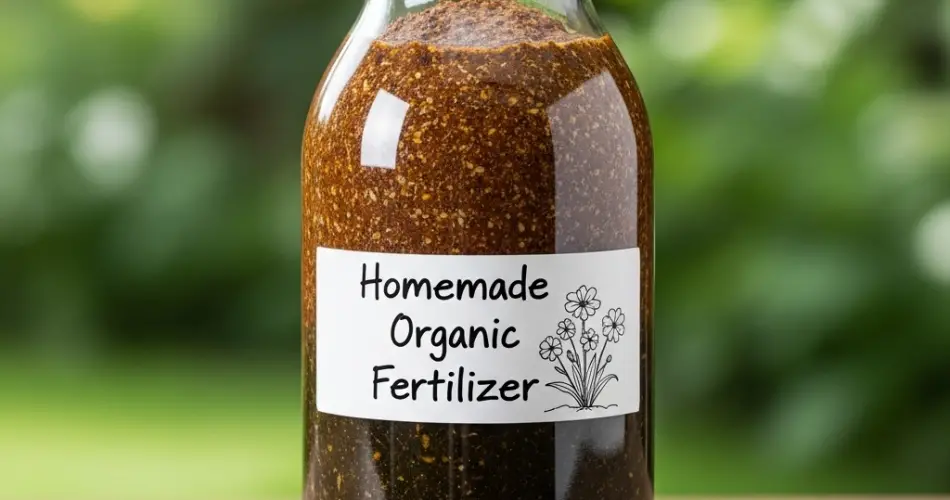
Healthy, vigorous plants start with healthy soil—and one of the best ways to achieve this is by using organic fertilizers made from natural, everyday materials. Synthetic fertilizers might offer a quick fix, but they often degrade the soil over time. Organic solutions, on the other hand, nourish your plants while enhancing the life and structure of the soil itself.
In this article, you’ll learn how to create a powerful homemade organic fertilizer using kitchen scraps and natural ingredients. It’s ideal for vegetables, flowers, fruit trees, and houseplants, and it promotes stronger growth, richer green foliage, and more resilient root systems.
Why Use Homemade Organic Fertilizer?
Organic fertilizers offer a range of benefits, including:
-
Improved soil structure and microbiology
-
Slow, steady release of nutrients
-
Enhanced plant resistance to pests and diseases
-
Cost savings by recycling household waste
This method is also environmentally friendly and helps reduce landfill waste.
Key Ingredients for a Potent Natural Fertilizer
The fertilizer recipe below is simple, effective, and uses items commonly found in your kitchen and garden. The key ingredients include:
-
Banana peels – Rich in potassium, phosphorus, and calcium, which are essential for flowering and fruiting.
-
Eggshells – High in calcium, vital for strong cell walls and root health.
-
Used coffee grounds – Provide nitrogen, improve soil texture, and attract earthworms.
-
Wood ash – Adds potassium and trace minerals and helps balance acidic soil.
-
Water – Helps extract and carry nutrients to plant roots.
These components make up a balanced blend of macronutrients (nitrogen, phosphorus, potassium) and trace elements essential for plant health.
How to Prepare the Organic Fertilizer
1. Collect the ingredients
Gather a few banana peels, several crushed eggshells, a small handful of used coffee grounds, and a spoonful of wood ash. If you don’t have wood ash, you can skip it or substitute with a small amount of powdered charcoal (without additives).
2. Blend with water
Place all ingredients into a blender. Add about one liter (4 cups) of water and blend until the mixture is smooth. This allows the nutrients to break down quickly and become more bioavailable to your plants.
3. Let it rest
Let the mixture sit for a few hours or overnight to allow the ingredients to start decomposing. This speeds up the microbial activity when it’s added to soil.
How to Apply to Plants
Frequency: Use this fertilizer every 10–15 days for best results. You can alternate it with other compost or natural feeding methods, such as vermicompost or compost tea.
Method:
-
For potted plants: Pour a small amount (100–200 ml) around the base of each plant.
-
For garden beds: Use a larger amount and water it in.
-
For trees or shrubs: Pour around the drip line (the outer edge of the foliage canopy) for more even absorption.
This mixture can be used on vegetables, herbs, fruit trees, flowers, and ornamental plants. It’s particularly effective for boosting plant strength during active growth, flowering, or fruit production.
Additional Tips for Stronger Plants
1. Mulch your soil
After applying fertilizer, cover the soil with dry leaves, straw, or grass clippings. Mulch retains moisture, regulates temperature, and feeds beneficial soil microbes.
2. Water consistently
A steady watering schedule helps plants absorb nutrients efficiently. Avoid overwatering, as it can wash nutrients away.
3. Combine with compost
This liquid fertilizer works well when combined with solid compost. The two complement each other and create a balanced feeding strategy.
4. Use kitchen waste wisely
Avoid adding citrus peels, meat, oils, or dairy to your organic fertilizers—they can attract pests or disturb soil pH. Stick with plant-based, natural materials.
Signs Your Plants Are Benefiting
You’ll begin noticing improvements within 7–10 days of consistent use:
-
Leaves become greener and more vibrant
-
Growth becomes faster and bushier
-
Flowering increases, with more buds and blooms
-
Fruits develop more rapidly and with better quality
-
Roots become stronger and more fibrous
If you apply this fertilizer regularly, your plants will not only look healthier—they’ll also be better equipped to resist pests, diseases, and environmental stress.
Final Thoughts
Nature provides everything needed for healthy plant growth, and this simple homemade organic fertilizer is a perfect example. With ingredients you already have at home, you can create a nutrient-rich solution that strengthens plants naturally and sustainably.
Whether you have a full garden, a few pots on a balcony, or a couple of indoor plants, this DIY fertilizer offers a safe, effective way to boost plant health without resorting to chemicals. Use it regularly, and you’ll see your plants grow stronger, greener, and more productive with each passing week.


