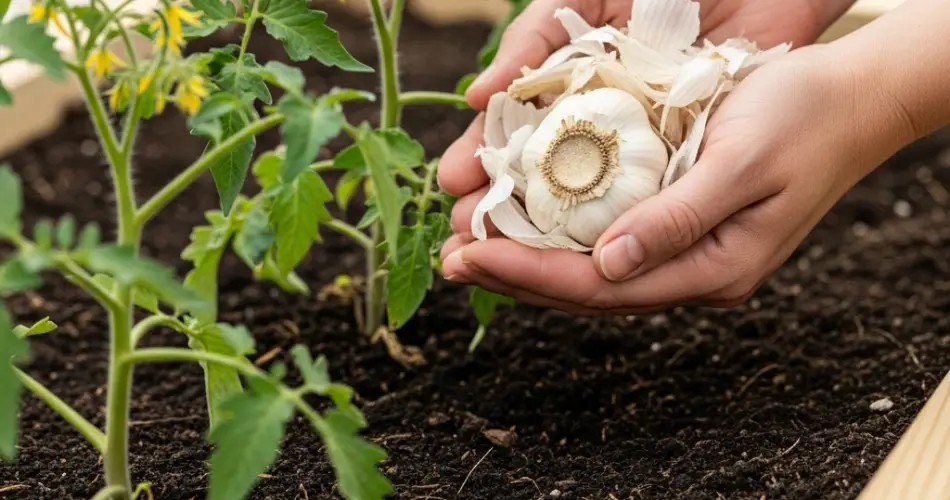
Garlic isn’t just a kitchen staple—it’s also a powerful natural ally in the garden. When used as a base for homemade plant food, garlic can boost growth, fend off pests, and promote overall plant health. Its natural antibacterial, antifungal, and insect-repelling properties make it an excellent component for an organic garden feeding routine.
If you’re looking to nourish your plants naturally and protect them from common garden threats, crafting your own garlic-based plant food is a smart, simple, and cost-effective solution. Here’s how to harness the power of garlic for a healthier, more productive garden.
Why Garlic Works in the Garden
Garlic contains sulfur compounds like allicin, which are known for their antimicrobial and pest-repelling effects. These compounds don’t just work on humans—they’re highly effective against soft-bodied insects, fungi, and soil-borne pathogens.
Benefits of garlic-based plant food include:
-
Boosting plant immunity against diseases
-
Repelling aphids, spider mites, whiteflies, and other pests
-
Feeding plants with mild nutrients
-
Enhancing soil biology without synthetic chemicals
Garlic acts both as a mild fertilizer and a preventive treatment for many common garden issues.
Ingredients You’ll Need
Making garlic plant food requires only a few natural ingredients, most of which you likely already have at home:
-
2–3 large cloves of garlic
-
1 liter (about 4 cups) of water
-
1 tablespoon of molasses or sugar (optional, for microbial activity)
-
1 teaspoon of liquid dish soap (optional, for pest repellent spray)
-
A blender or mortar and pestle
-
A fine strainer or cheesecloth
-
A spray bottle or watering can
The molasses feeds beneficial microbes, while the soap helps the solution stick to plant leaves if used as a foliar spray.
How to Make Garlic Plant Food
Step 1: Blend the Garlic
Peel the garlic cloves and crush them using a mortar and pestle, or blend them with a small amount of water to create a strong concentrate. You want the mixture to be as fine as possible for easy straining later.
Step 2: Add Water and Mix
Pour the crushed garlic into a liter of water. If using molasses, add it now. Stir well to combine. Let the mixture steep for 12 to 24 hours at room temperature. This allows the water to absorb the garlic’s beneficial compounds.
Step 3: Strain the Solution
After steeping, strain the mixture through a fine mesh strainer, cheesecloth, or coffee filter to remove any solids. This step is crucial, especially if using a spray bottle—clogging can occur if particles remain.
Step 4: Use Immediately or Store
The solution is best used fresh but can be stored in the refrigerator for up to a week. Always label it and keep it away from food items, as it may have a strong odor.
How to Apply Garlic Plant Food
You can use garlic plant food in two main ways: as a root drench or as a foliar spray.
As a Root Drench (for soil feeding)
-
Use a watering can to apply the solution directly to the soil around the base of plants.
-
Apply early in the morning or late in the day to avoid evaporation and stress.
-
Repeat every 2–3 weeks during the growing season.
This method helps deter soil-borne pests and adds gentle nutrients to support healthy root systems.
As a Foliar Spray (for pest control and leaf health)
-
Pour the garlic solution into a clean spray bottle.
-
Optionally, add a teaspoon of mild liquid soap to help the mixture cling to leaves.
-
Spray the solution onto the tops and undersides of leaves.
-
Avoid applying during peak sun hours to prevent leaf burn.
Use weekly during pest-prone seasons or whenever you notice early signs of infestation.
Best Plants to Feed with Garlic Solution
Garlic plant food is safe for a wide variety of plants, but some especially benefit from its use:
-
Vegetables: tomatoes, peppers, beans, brassicas, cucumbers
-
Herbs: basil, parsley, mint
-
Flowers: roses, marigolds, geraniums
-
Ornamentals: ferns, shrubs, small trees
Avoid using garlic sprays on delicate-leaved plants like lettuce or spinach during hot weather, as the strong solution can sometimes cause minor leaf spotting.
Additional Tips for Success
-
Always test on a few leaves first, especially for new plants or seedlings.
-
Use fresh garlic for the strongest effect—avoid pre-minced or garlic powder.
-
Keep your tools clean to prevent contamination between batches.
-
Combine with compost tea or seaweed extract for a more complete organic feeding regimen.
-
Rotate with other natural solutions like neem oil or chili sprays to avoid pest resistance.
Final Thoughts
Crafting your own garlic plant food is an empowering step toward sustainable, chemical-free gardening. With just a few ingredients and minimal effort, you can boost your plants’ health, naturally protect them from pests, and support a thriving garden ecosystem. Whether you’re tending to vegetables, herbs, or ornamentals, this humble kitchen staple can play a mighty role in your plant care routine.
Give garlic a try—not just on your plate, but in your garden. Your plants will thank you with stronger growth, fewer pests, and a healthier, more vibrant appearance.


