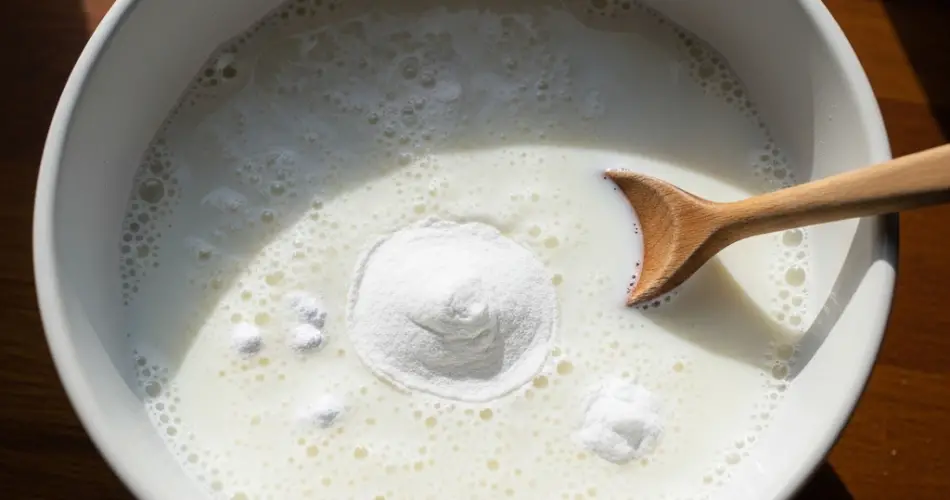
Fungal diseases, such as powdery mildew, can pose significant challenges to gardeners, affecting a wide range of plants including vegetables, ornamentals, and fruit-bearing species. While chemical fungicides are available, many gardeners seek natural, eco-friendly alternatives. One such solution combines common household items: milk and baking soda.
Understanding Powdery Mildew
Powdery mildew is a prevalent fungal disease characterized by white, powdery spots on leaves, stems, and buds. It thrives in warm, dry climates with high humidity at night and low humidity during the day. If left untreated, it can lead to distorted growth, reduced photosynthesis, and premature leaf drop, ultimately weakening the plant.
The Efficacy of Milk and Baking Soda
Milk: Research has shown that milk can be effective in controlling powdery mildew. When exposed to sunlight, certain compounds in milk, such as ferroglobulin, produce reactive oxygen species that are detrimental to fungal spores. A typical dilution is a 40/60 ratio of milk to water, sprayed onto the plant surfaces every 10 to 14 days. This method is most effective as a preventive measure or at the early stages of infection.
Baking Soda (Sodium Bicarbonate): Baking soda raises the pH level on the leaf surface, creating an environment less conducive to fungal growth. A common mixture includes one tablespoon of baking soda per gallon of water. It’s important to note that while baking soda can help prevent the spread of fungi, excessive use may lead to sodium accumulation in the soil, potentially harming plant health.
Preparing the Homemade Fungicide
Ingredients:
-
1 cup of milk (whole, skim, or powdered)
-
3 cups of water
-
½ teaspoon of baking soda
-
A few drops of mild liquid soap (optional, to help the solution adhere to leaves)
Instructions:
-
Combine the milk and water in a spray bottle.
-
Add the baking soda and mix thoroughly until dissolved.
-
If using, add a few drops of mild liquid soap and mix gently.
-
Spray the solution onto the affected plants, ensuring thorough coverage of both the upper and lower leaf surfaces.
-
Apply the treatment in the early morning or late afternoon to prevent leaf burn from the sun.
-
Repeat the application every 7 to 10 days, or after rainfall, until the mildew subsides.
Note: Always test the solution on a small area of the plant before full application to ensure there is no adverse reaction.
Additional Natural Fungicide Options
-
Neem Oil: Extracted from the neem tree, neem oil acts as both a fungicide and insecticide. It disrupts the life cycle of fungi and pests, making it a versatile addition to natural plant care.
-
Apple Cider Vinegar: A mixture of four tablespoons of apple cider vinegar per gallon of water can help control fungal infections. However, use with caution, as excessive acidity may harm plants.
-
Compost Tea: Steeping compost in water for several days creates a nutrient-rich solution that can bolster plant immunity and suppress fungal pathogens.
Preventive Measures
Preventing fungal infections is more effective than treating them. Implement the following practices to minimize the risk:
-
Proper Spacing: Ensure adequate spacing between plants to promote air circulation.
-
Watering Techniques: Water plants at the base to keep foliage dry, and do so early in the day to allow moisture to evaporate.
-
Pruning: Regularly remove dead or diseased plant material to prevent the spread of pathogens.
-
Resistant Varieties: Choose plant varieties known for their resistance to fungal diseases.
Conclusion
Utilizing a homemade fungicide composed of milk and baking soda offers a natural, cost-effective method to combat powdery mildew and other fungal infections in plants. While this remedy can be effective, it’s most beneficial when used as a preventive measure or at the onset of infection. Coupled with good gardening practices, such natural solutions can help maintain healthy, thriving plants without relying on chemical fungicides.


