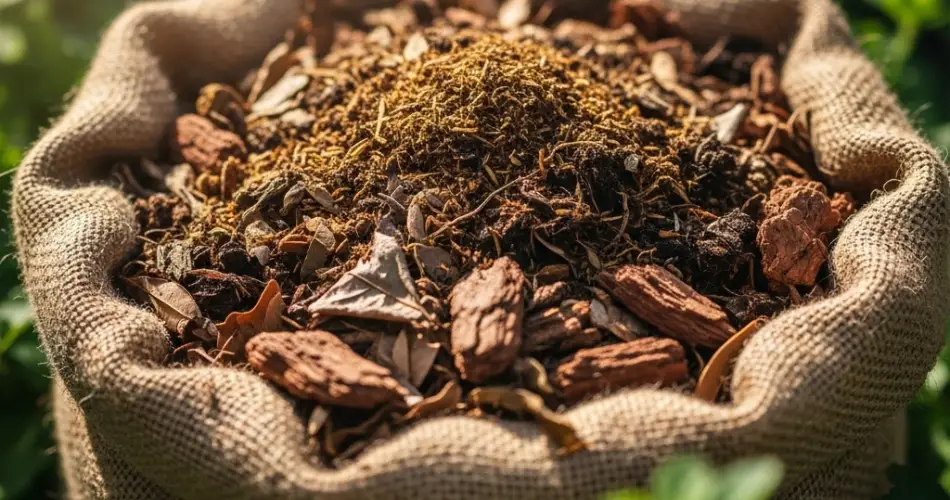
Keeping your plants green, lush, and thriving doesn’t always require expensive store-bought fertilizers. Many of the nutrients your plants need can be found right in your kitchen or backyard. Homemade fertilizers are not only cost-effective but also eco-friendly, giving your plants a natural boost without harmful chemicals. Whether you’re growing flowers, vegetables, or houseplants, using natural ingredients can improve soil health, promote root growth, and enhance foliage color. Here’s a guide to some of the best homemade fertilizers and how to use them for healthier, more vibrant plants.
1. Banana Peel Fertilizer
Banana peels are rich in potassium, phosphorus, calcium, and magnesium—all essential nutrients for flowering and fruiting plants. They break down quickly and are easy to use in the garden.
How to use:
-
Chop peels into small pieces and bury them near the base of your plants.
-
Alternatively, blend them with water to make a liquid fertilizer for indoor plants or seedlings.
-
For composting, toss them directly into your compost bin to enrich the mix with nutrients.
Best for: Roses, tomatoes, peppers, and flowering plants.
2. Coffee Grounds
Used coffee grounds are a great source of nitrogen, making them ideal for leafy plants. They also improve soil structure and encourage earthworm activity.
How to use:
-
Sprinkle used, dried grounds lightly around the base of plants as a slow-release fertilizer.
-
Mix into compost or blend with water to make a mild liquid feed.
-
Avoid using large amounts directly on the soil, as too much can make it overly acidic.
Best for: Spinach, lettuce, azaleas, blueberries, and houseplants that love acidic soil.
3. Eggshell Fertilizer
Eggshells contain calcium carbonate, which helps strengthen plant cell walls and prevents blossom end rot in crops like tomatoes and peppers.
How to use:
-
Rinse, dry, and crush eggshells into a fine powder.
-
Mix the powder into the soil or compost for a long-lasting calcium boost.
-
For quicker absorption, soak crushed shells in water overnight and use the strained liquid as a calcium-rich tea.
Best for: Tomatoes, peppers, eggplants, and any plants prone to calcium deficiencies.
4. Epsom Salt Solution
Epsom salt (magnesium sulfate) is a fast-acting source of magnesium and sulfur, both crucial for photosynthesis and nutrient absorption.
How to use:
-
Dissolve 1 tablespoon of Epsom salt in a gallon of water and use it as a foliar spray or soil drench once a month.
-
Sprinkle a small amount directly into the planting hole for new seedlings.
Best for: Tomatoes, peppers, roses, and magnesium-loving plants.
5. Compost Tea
Compost tea is a liquid fertilizer made by steeping finished compost in water. It delivers a balanced blend of nutrients and beneficial microbes to plants.
How to use:
-
Fill a bucket with water and add a shovel of mature compost.
-
Let it steep for 2–3 days, stirring occasionally.
-
Strain and use the liquid to water your plants or as a foliar spray.
Best for: All types of vegetables, flowers, and houseplants.
6. Aquarium Water
If you have a freshwater fish tank, don’t throw away that water during cleaning. Aquarium water is full of beneficial nitrogen and trace nutrients from fish waste and leftover food.
How to use:
-
Use dirty (but not chemically treated) aquarium water to irrigate your garden or indoor plants.
-
Pour it directly into the soil around the base of plants.
Best for: Houseplants, herbs, and leafy vegetables.
7. Grass Clippings
Fresh grass clippings are rich in nitrogen and can be used to improve soil fertility when composted or applied as mulch.
How to use:
-
Mix clippings into your compost pile.
-
Apply a thin layer as mulch around your plants (avoid thick layers to prevent matting and mold).
-
Let clippings dry slightly before using them to avoid excessive heat or rot.
Best for: Lawns, garden beds, and nitrogen-hungry crops like corn and leafy greens.
8. Wood Ash
Wood ash from untreated hardwoods adds potassium and calcium to the soil and helps raise pH in acidic soils.
How to use:
-
Sprinkle a light dusting of ash around garden beds and mix it into the soil.
-
Avoid using on acid-loving plants, and never use ash from treated or painted wood.
Best for: Tomatoes, garlic, root crops, and flowering plants in alkaline soil.
Final Thoughts
Homemade fertilizers are a sustainable way to nourish your plants using materials you might otherwise throw away. With regular use, they enrich the soil, promote robust growth, and improve plant health naturally. Whether you compost, soak peels, or use leftover kitchen waste, these DIY solutions can reduce your dependence on synthetic fertilizers while keeping your garden green and thriving. Start small, observe how your plants respond, and adjust as needed—nature will reward your efforts with lush foliage, vibrant flowers, and bountiful harvests.


