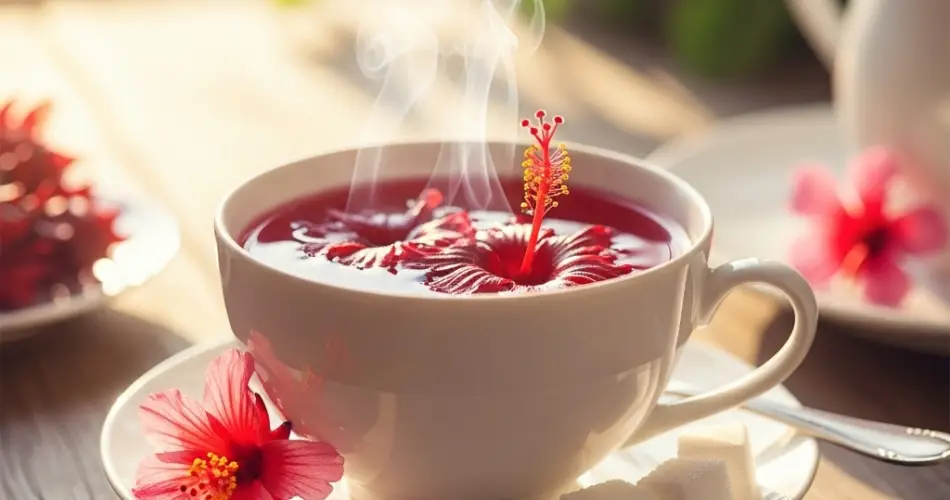
Hibiscus tea, known for its vibrant red color and tart, cranberry-like flavor, is not only refreshing but also packed with antioxidants and health benefits. While you can easily find dried hibiscus in stores, there’s something incredibly satisfying about growing, harvesting, and brewing your own hibiscus tea at home. From planting to pouring your first cup, this guide will walk you through every step of the journey—from garden to teacup.
What Type of Hibiscus to Grow for Tea?
Not all hibiscus varieties are suitable for tea. The variety most commonly used is Hibiscus sabdariffa, also known as roselle. It’s different from the ornamental hibiscus often grown for its large, showy flowers. Roselle produces fleshy red calyces—the part used to make hibiscus tea—rather than large blooms.
Key features of Hibiscus sabdariffa:
-
Grows 3–6 feet tall
-
Produces edible calyces after flowering
-
Thrives in warm, sunny climates
How to Grow Hibiscus for Tea
1. Planting
Roselle hibiscus grows best in warm, tropical to subtropical climates but can be started indoors in cooler regions and transplanted after the last frost.
-
Start from seeds: Soak seeds in water overnight to improve germination, then plant in pots or directly in the garden.
-
Soil: Use well-draining soil rich in organic matter. Slightly acidic to neutral pH (6.0–7.0) is ideal.
-
Sunlight: Full sun is essential—aim for 6 to 8 hours daily.
-
Spacing: Space plants 2–3 feet apart to allow for bushy growth.
2. Watering and Feeding
Keep the soil consistently moist but not soggy. Once established, roselle is relatively drought-tolerant, but regular watering encourages better growth.
-
Water deeply once or twice a week, depending on weather conditions.
-
Fertilize monthly with compost or a balanced organic fertilizer to encourage leaf and flower development.
3. Pruning and Maintenance
Prune early in the growing season to encourage branching and more flowering sites. Remove weeds and mulch around the base to conserve moisture and suppress weed growth.
When and How to Harvest
The edible part of the roselle plant used for tea is the calyx, the red, fleshy covering around the seed pod that forms after the flower fades.
Harvesting tips:
-
Wait until the flower has bloomed and fallen off. The calyx will begin to swell and deepen in color.
-
Harvest when calyces are firm and about 1–1.5 inches in length—usually 3–4 weeks after flowering.
-
Use clean garden scissors or shears to snip the calyces off the stem.
-
Remove the central seed pod if drying whole calyces. This can be done by pushing the pod out from the bottom or slicing it out with a small knife.
Continue harvesting throughout the season to encourage more blooming and calyx production.
How to Dry and Store Calyces
Drying is essential for preserving hibiscus calyces for long-term tea use. You can dry them using several methods:
1. Air Drying
-
Spread calyces in a single layer on a mesh screen or drying rack in a well-ventilated, shaded area.
-
Turn them occasionally to ensure even drying.
-
Drying may take 5–10 days depending on humidity.
2. Dehydrator
-
Place calyces in a single layer on dehydrator trays.
-
Set the temperature to 95–115°F (35–46°C) and dry for 8–12 hours, or until they are brittle.
3. Oven Drying
-
Place calyces on a baking sheet and dry at the lowest oven temperature (ideally under 150°F or 65°C).
-
Leave the oven door slightly open for ventilation and check frequently.
Storage: Once completely dry, store calyces in an airtight container in a cool, dark place. They can stay fresh for up to a year.
Brewing Hibiscus Tea
To enjoy your homegrown hibiscus tea:
-
Use: 1 tablespoon of dried calyces per cup of water
-
Boil: Simmer the calyces in water for 5–10 minutes
-
Strain: Remove calyces and let the tea cool slightly
-
Serve: Drink hot or pour over ice for a refreshing iced tea
Optional additions: Add honey, mint, ginger, or lemon for extra flavor.
Hibiscus tea is naturally caffeine-free and can be enjoyed any time of day. It’s known for its potential health benefits, including lowering blood pressure, aiding digestion, and providing antioxidants.
Final Thoughts
Growing and harvesting your own hibiscus for tea is a rewarding process that brings together gardening, self-sufficiency, and wellness. With a bit of sun, space, and care, you can cultivate this beautiful and useful plant right in your backyard or garden bed. Once harvested and dried, those ruby-red calyces offer a refreshing beverage you can enjoy year-round—from your own garden to your favorite teacup.


