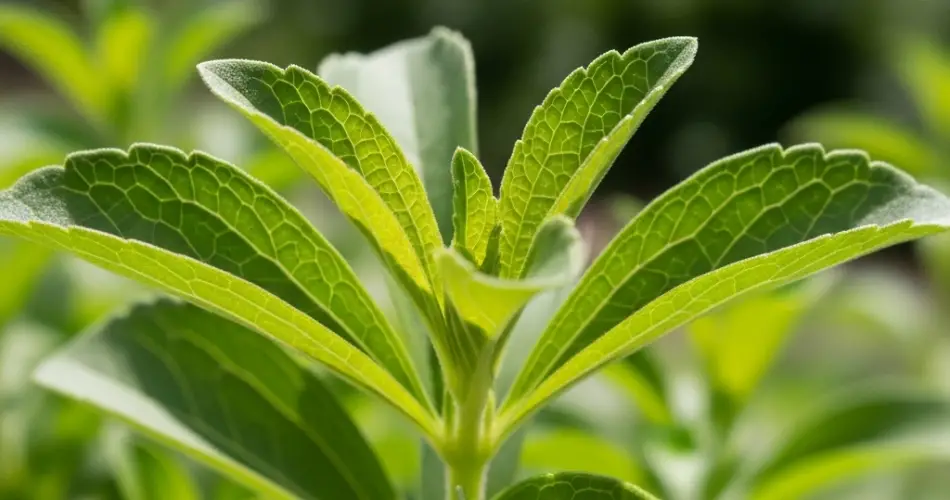
If you’re looking for a versatile, beneficial, and easy-to-grow plant to add to your home or garden, stevia is an excellent choice. Known for its natural sweetness and health advantages, stevia has gained popularity worldwide as a natural sugar substitute. Beyond its culinary uses, this plant offers numerous benefits that make it a valuable addition to any household or garden.
This article explores the many uses, benefits, and care tips for stevia so you can enjoy all the advantages it offers.
What is Stevia?
Stevia (Stevia rebaudiana) is a small leafy plant native to South America, particularly Paraguay and Brazil. It belongs to the Asteraceae family and is best known for its sweet leaves. The sweetness comes from natural compounds called steviol glycosides, which are up to 300 times sweeter than regular sugar but contain zero calories.
Because of this, stevia has become popular as a natural, zero-calorie sweetener used in foods and beverages, making it ideal for people managing their sugar intake, diabetes, or those seeking healthier alternatives to refined sugar.
Uses of Stevia
1. Natural Sweetener:
The primary use of stevia leaves is as a sweetener. The fresh or dried leaves can be used to sweeten teas, smoothies, desserts, and baked goods naturally. It’s a great alternative to sugar for diabetics and anyone reducing calorie consumption.
2. Herbal Tea:
Stevia leaves make a deliciously sweet herbal tea on their own or combined with other herbs. The tea is naturally sweet and soothing.
3. Garden Companion Plant:
Stevia can be grown alongside other herbs and vegetables. It attracts beneficial insects like bees and butterflies, which help with pollination and garden health.
4. Health Benefits:
Regular consumption of stevia offers multiple health advantages:
-
Supports blood sugar regulation.
-
May aid in weight management.
-
Provides antioxidant properties.
-
Supports oral health by reducing bacteria that cause cavities.
Benefits of Growing Stevia at Home
-
Cost-effective: Growing your own stevia is much cheaper than buying processed sweeteners.
-
Chemical-free: Homegrown stevia is free from pesticides and additives.
-
Easy to Grow: It adapts well to container gardening or garden beds.
-
Sustainable: Reduces dependence on commercially produced sweeteners.
-
Fresh Supply: You always have fresh leaves available for cooking and tea.
How to Grow Stevia
Stevia is a relatively low-maintenance plant, but it thrives best with proper care. Here are some essential tips for successful stevia cultivation:
1. Climate:
Stevia prefers warm climates and grows best in USDA zones 9-11. It can be grown indoors in cooler climates, especially during the colder months.
2. Soil:
It requires well-draining, slightly acidic to neutral soil with a pH of 6.7 to 7.2. Adding organic matter like compost helps maintain soil fertility.
3. Light:
Stevia needs full sun to partial shade. At least 6 hours of direct sunlight daily is ideal for strong growth.
4. Watering:
Keep the soil consistently moist but not waterlogged. Overwatering can cause root rot, while underwatering leads to wilting.
5. Propagation:
Stevia is typically propagated through cuttings, which root easily. Seeds are harder to germinate but can be started indoors early in the season.
6. Harvesting:
Harvest leaves when the plant reaches about 12 inches in height, usually in late summer. The leaves are sweetest just before the plant flowers.
How to Use Fresh Stevia Leaves
-
Sweetening Tea or Coffee: Add a few fresh leaves to your cup to sweeten naturally.
-
Cooking and Baking: Chop leaves finely and add to recipes for a sugar substitute.
-
Drying for Later Use: Dry leaves in a cool, dark place and crush them into powder to store for long-term use.
Additional Tips for Growing and Using Stevia
-
Pinch back the growing tips regularly to encourage bushier growth.
-
Avoid heavy fertilization; too much nitrogen reduces sweetness.
-
Protect stevia from frost by bringing potted plants indoors during winter.
-
Combine stevia with other herbs like mint or lemon balm for flavorful teas.
-
Use leaves sparingly when sweetening, as stevia is intensely sweet.
Final Thoughts
Stevia is truly one of the best plants you can cultivate in your home or garden. Its natural sweetness, health benefits, and ease of growth make it a favorite among gardeners and health-conscious individuals alike. Growing stevia at home not only provides a fresh supply of natural sweetener but also connects you with a sustainable, chemical-free lifestyle.
If you haven’t tried growing stevia yet, consider adding this remarkable plant to your garden or indoor plant collection. With a little care, you’ll enjoy its many benefits and sweeten your life naturally.


