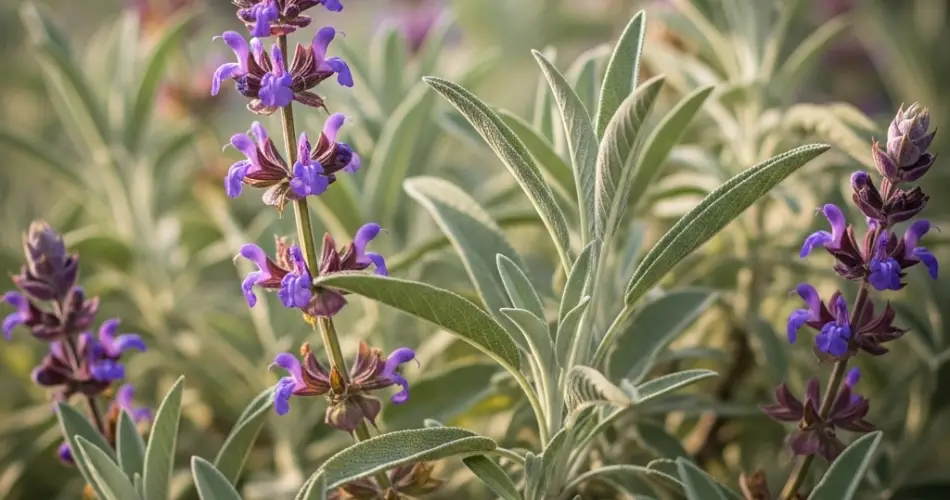
Sage, scientifically known as Salvia officinalis, is a versatile and fragrant herb that has been treasured for centuries for its medicinal and culinary properties. Easily grown in home gardens, sage is much more than a flavorful addition to your kitchen — it offers a wealth of health benefits that include improving skin health, promoting shiny hair, and reducing stress. If you have this beautiful plant growing in your garden or are considering planting it, here is a comprehensive look at how sage can enhance your wellbeing naturally.
Sage: A Garden Herb with Powerful Properties
Sage is a hardy perennial plant with gray-green leaves and a distinctive aroma. It belongs to the mint family and thrives in sunny, well-drained spots. Beyond its culinary uses in seasoning meats, sauces, and herbal teas, sage has been used traditionally in folk medicine to treat various ailments.
The plant contains essential oils, antioxidants, vitamins, and minerals that contribute to its healing effects. Some of the key compounds found in sage include:
-
Thujone: Has antimicrobial and anti-inflammatory properties.
-
Rosmarinic acid: A potent antioxidant.
-
Camphor and cineole: Compounds known for their antiseptic and soothing effects.
Benefits of Sage for Healthy Skin
Sage is an excellent natural remedy for skin care due to its antibacterial, anti-inflammatory, and antioxidant properties. Here’s how sage helps keep your skin healthy and radiant:
-
Reduces Acne and Skin Inflammation: Sage’s antimicrobial compounds help combat acne-causing bacteria. Applying sage-infused water or essential oil diluted with a carrier oil can soothe inflamed skin and reduce redness.
-
Antioxidant Protection: Antioxidants in sage protect the skin from free radical damage caused by pollution and UV rays, slowing premature aging and wrinkle formation.
-
Promotes Skin Healing: Sage aids in the healing of minor cuts, wounds, and irritations thanks to its antiseptic qualities.
-
Balances Oil Production: Sage helps regulate sebum production, making it beneficial for oily and combination skin types.
How to Use Sage for Skin:
-
Prepare a sage-infused facial toner by boiling fresh or dried sage leaves in water, straining, and letting the liquid cool. Apply with a cotton pad daily.
-
Add a few drops of diluted sage essential oil to your moisturizer.
-
Use sage tea bags as a cold compress to reduce puffiness and soothe tired eyes.
Sage for Shiny, Healthy Hair
Sage is also highly regarded for improving hair health. Its nourishing and cleansing properties can revitalize your scalp and enhance the shine and strength of your hair.
-
Fights Dandruff and Scalp Irritation: The antifungal and anti-inflammatory effects of sage help reduce dandruff and soothe itchy, flaky scalps.
-
Strengthens Hair Roots: Sage stimulates blood circulation in the scalp, which supports healthy hair growth and reduces hair loss.
-
Enhances Hair Shine: Regular use of sage rinse can leave hair looking glossy and vibrant by removing buildup and balancing scalp oils.
-
Darkens Hair Naturally: Sage can subtly darken gray hair when used regularly as a rinse, providing a natural alternative to chemical dyes.
How to Use Sage for Hair:
-
Make a sage hair rinse by boiling fresh or dried sage leaves in water, cooling the mixture, and using it as a final rinse after shampooing.
-
Prepare a scalp tonic by mixing a few drops of sage essential oil with a carrier oil like coconut or jojoba and massage into the scalp before washing.
-
Include sage tea in your hair care routine several times a week for best results.
Sage for Stress Relief and Mental Clarity
Stress and anxiety are common modern-day challenges, and sage has long been valued for its calming effects on the mind and body.
-
Reduces Anxiety and Stress: The aroma of sage essential oil has mood-enhancing properties that promote relaxation and reduce feelings of stress.
-
Improves Cognitive Function: Some studies suggest that sage may enhance memory, concentration, and mental clarity.
-
Balances Hormones: Sage can help regulate hormones that influence mood and nervous system balance, contributing to overall emotional wellbeing.
How to Use Sage for Stress Relief:
-
Use sage essential oil in a diffuser to create a calming atmosphere at home or work.
-
Brew sage tea and enjoy it as a soothing beverage during stressful moments.
-
Practice sage smudging — burning dried sage bundles — to purify the air and promote a peaceful environment.
Growing Sage in Your Garden
Sage is a low-maintenance plant that thrives with minimal care, making it perfect for gardeners of all levels.
-
Planting: Choose a sunny spot with well-draining soil. Sage does well in pots or garden beds.
-
Watering: Water moderately; sage prefers slightly dry conditions rather than soggy soil.
-
Harvesting: Leaves can be harvested once the plant is established. Pick leaves as needed, preferably before flowering for the best flavor and medicinal properties.
-
Pests: Sage is generally pest-resistant but watch out for aphids or spider mites.
Precautions
While sage is safe for most people when used in culinary amounts or topical applications, excessive consumption or use of concentrated sage essential oil can cause adverse effects, especially in pregnant women or people with epilepsy. Always dilute essential oils before use and consult a healthcare provider if you have any health concerns.
Conclusion
Sage (Salvia officinalis) is a remarkable garden plant offering a natural path to healthier skin, shinier hair, and reduced stress. Its antimicrobial, antioxidant, and calming properties make it a valuable addition to your self-care routine and home remedies.
By growing sage in your garden, you have ready access to a versatile herb that can be used fresh or dried for teas, infusions, topical treatments, and aromatherapy. Incorporate sage into your daily life to enjoy its many benefits and enhance your wellbeing naturally.


