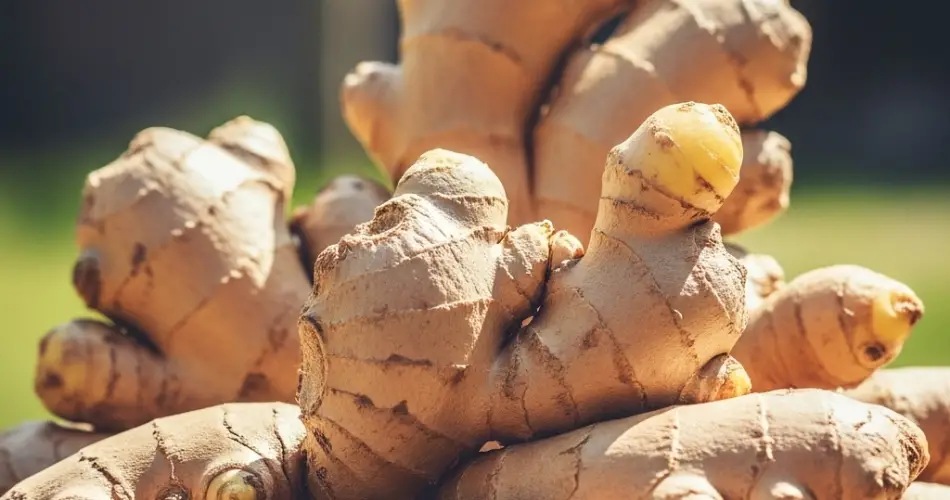
Ginger (Zingiber officinale) is a warm-season tropical plant grown for its flavorful and aromatic rhizomes. Whether you’re growing ginger in a container or directly in your garden, understanding the right time and method for harvesting is essential to ensure a healthy and productive yield. With a little care and patience, you can enjoy fresh, homegrown ginger that’s more fragrant and tender than anything you’ll find at the store.
Here’s everything you need to know about when and how to harvest ginger successfully.
Understanding Ginger Growth
Ginger is not a fast-growing plant. From planting to harvest, it typically takes between 8 to 10 months for the rhizomes to mature fully. However, it can be harvested earlier if you’re looking for young, tender “baby ginger,” which has a milder flavor and thinner skin.
Ginger grows horizontally just beneath the soil surface. The leafy stems that grow above ground indicate the plant’s progress. As the leaves begin to yellow and die back, the plant is signaling that it has completed its growth cycle.
When to Harvest Ginger
The ideal harvesting time depends on the type of ginger you want:
1. Baby Ginger (Immature Harvest)
-
Timeframe: About 4 to 5 months after planting.
-
Signs: The plant is still green and actively growing, but you can gently dig around the base to find small, creamy-white rhizomes with delicate skin.
-
Uses: Great for fresh eating, pickling, or juicing. No need to peel due to the soft outer layer.
2. Mature Ginger
-
Timeframe: 8 to 10 months after planting.
-
Signs: The leaves and stems will begin to yellow and wither. This indicates the plant is entering dormancy and the rhizomes have developed fully.
-
Uses: Best for long-term storage, drying, and cooking.
If you’re growing ginger in a temperate climate, you’ll want to harvest before the first frost, as the plant is sensitive to cold and cannot tolerate freezing temperatures.
How to Harvest Ginger Step-by-Step
Step 1: Prepare the Area
A day or two before harvesting, water the soil lightly to soften it. This will make it easier to remove the rhizomes without damaging them.
Step 2: Dig Carefully
Use your hands or a small garden fork to gently loosen the soil around the base of the plant. Start digging a few inches away from the stem to avoid slicing into the rhizomes. For container-grown ginger, simply tip the pot over and remove the soil slowly.
Step 3: Remove the Rhizomes
Lift the plant and shake off excess soil. Cut off the leafy tops about 1 inch above the rhizome. If you’re only harvesting a portion of the root, cut or break off a section and replant the rest so it can continue growing.
Step 4: Clean and Dry
Rinse the harvested rhizomes with clean water to remove soil. Allow them to air dry in a shaded, well-ventilated area for a day or two. This helps prepare the skin for storage and reduces the risk of mold.
Tips for Storing Fresh Ginger
Once harvested, ginger can be stored in several ways depending on how soon you plan to use it:
-
Short-Term (up to 3 weeks): Place fresh rhizomes in a paper towel or mesh bag in the refrigerator vegetable drawer.
-
Medium-Term (1 to 2 months): Store in an airtight container in the fridge. Keep it dry to prevent rot.
-
Long-Term:
-
Freezing: Peel and slice ginger, then freeze in an airtight container. It can be grated directly from frozen.
-
Drying: Cut into thin slices and air-dry or dehydrate. Store in a glass jar in a cool, dark place.
-
Pickling: Preserve in vinegar, sugar, and salt solution for use in salads, sushi, or sauces.
-
Can You Replant Ginger After Harvesting?
Yes. If you’re growing ginger as a perennial or want a continuous supply, you can replant some of the harvested rhizomes. Choose healthy pieces with visible eyes (buds), and replant them about 2 inches deep in fresh soil. Ginger prefers warm, moist conditions and should be placed in indirect sunlight until shoots reappear.
For indoor growers or colder climates, keep ginger in pots and bring them indoors during winter to protect them from frost.
Common Mistakes to Avoid
-
Harvesting too early: Ginger needs time to develop its full flavor and medicinal properties.
-
Overwatering before harvest: Wet soil makes it harder to dig and may cause the rhizomes to rot.
-
Using sharp tools carelessly: Slicing the rhizomes during harvest can cause bruising or infection, especially if storing for later use.
Final Thoughts
Harvesting ginger is a satisfying reward after months of careful tending. By learning to recognize the signs of readiness and following the right harvesting methods, you can enjoy flavorful, homegrown ginger throughout the year. Whether you prefer the tender bite of baby ginger or the robust zing of mature roots, growing and harvesting your own ginger is both easy and rewarding.


