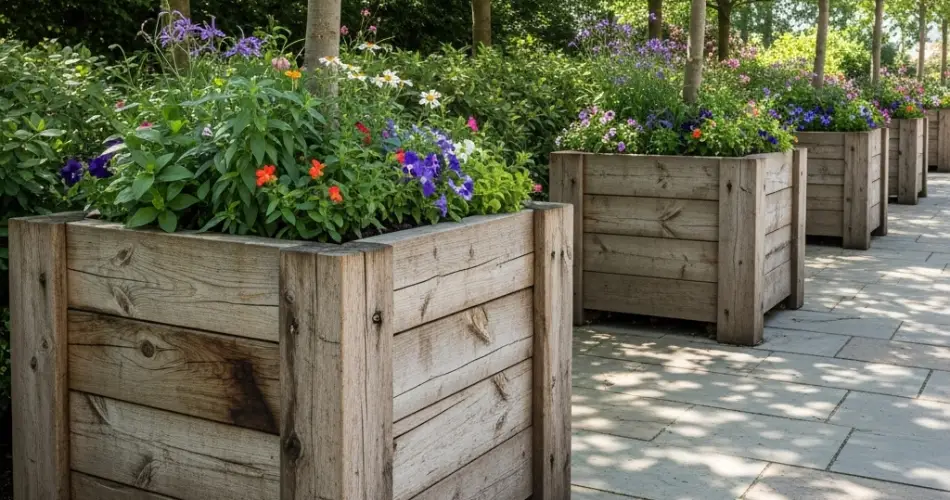
Homemade plant boxes are a great addition to any garden, patio, or balcony. They provide structure, style, and a defined space for growing vegetables, herbs, flowers, and ornamental plants. Building your own allows you to customize size, shape, and style to fit your needs and your available space. With just a few tools and materials, you can create practical and attractive planters that elevate your gardening experience.
Here are some of the best homemade plant box designs—each offering different benefits for various spaces and planting goals.
1. Classic Rectangular Wooden Box
Best for: Backyard vegetable beds, raised gardens, and flower displays.
The traditional rectangular wooden box is simple to build and highly versatile. It can be made from cedar, redwood, or pine and customized in size to fit any space. These boxes are perfect for growing everything from herbs and lettuce to tomatoes and root vegetables.
Features:
-
Typically 3–4 feet wide and 6–8 feet long.
-
10–12 inches deep for most crops.
-
Built with 2×6 or 2×8 wooden planks.
-
Option to add legs or keep it directly on the ground.
Why it works: The design is efficient, long-lasting, and easy to maintain. It’s ideal for larger spaces and raised bed gardening.
2. Elevated Plant Box on Legs
Best for: Small patios, balconies, or gardeners with mobility issues.
An elevated box is a raised garden bed that stands on legs, bringing the soil up to waist height. This makes planting, weeding, and harvesting easier without bending or kneeling.
Features:
-
30–36 inches tall.
-
Can include a shelf underneath for tools or pots.
-
Often built from weather-resistant wood or recycled pallets.
-
May include wheels for mobility.
Why it works: It’s compact, stylish, and excellent for accessibility. It also protects plants from pests like rabbits or snails.
3. Tiered Plant Boxes
Best for: Vertical gardening, decorative herb gardens, or maximizing space.
Tiered plant boxes allow you to grow multiple crops in a vertical space, using three or more stacked layers at different heights. These are perfect for cascading flowers, herbs, and leafy greens.
Features:
-
Usually built in a pyramid or stair-step design.
-
Each level offers its own planting surface.
-
Made from lightweight wood or recycled materials.
Why it works: Great for small spaces and adds visual interest to the garden while offering good drainage.
4. L-Shaped Corner Box
Best for: Making use of awkward or unused garden corners.
L-shaped or U-shaped designs help maximize growing space while offering walkable access to plants. These are excellent for intensive planting or companion gardening.
Features:
-
Built to fit into corners or surround pathways.
-
Deeper soil depth for larger root systems.
-
Allows for better sunlight exposure from multiple angles.
Why it works: It efficiently uses corner space and is especially practical for urban gardens or raised beds surrounding patios.
5. Box with Trellis Attachment
Best for: Climbing vegetables and flowering vines like beans, cucumbers, peas, or morning glories.
Combining a plant box with a trellis gives vertical-growing plants the support they need and adds structure to your garden layout.
Features:
-
Trellis made of lattice panels, wire mesh, or bamboo poles.
-
Attached directly to the back or center of the box.
-
Ideal box depth: 12–18 inches to support deep roots.
Why it works: Adds height and functionality to the planter, allowing you to grow vertically and save ground space.
6. Concrete Block Plant Box
Best for: Budget-friendly, long-lasting raised beds.
Concrete blocks (cinder blocks) can be arranged in rectangular or square formations and filled with soil. The holes in the blocks can also be planted with herbs or flowers.
Features:
-
Extremely durable and weather-resistant.
-
No nails, screws, or cutting required.
-
Easy to rearrange and expand later.
Why it works: It’s low-cost, customizable, and doesn’t require wood-cutting tools—great for beginner DIY gardeners.
7. Recycled Pallet Planter Box
Best for: Sustainable gardening with rustic charm.
Wooden pallets are often discarded and easy to repurpose into charming plant boxes. With some sanding and reinforcement, you can turn a pallet into a vertical or horizontal garden bed.
Features:
-
Can be mounted on a wall or placed on the ground.
-
Best for shallow-rooted plants like herbs or strawberries.
-
May require a liner to hold soil in place.
Why it works: It’s eco-friendly, creative, and ideal for decorative planting on balconies or fences.
Final Tips for Designing Your Plant Box
-
Ensure good drainage by drilling holes or raising the base slightly.
-
Use non-toxic, untreated wood if growing edible plants.
-
Apply a sealant or wood preservative to prolong the life of wooden boxes.
-
Line the interior with landscape fabric if placing the box on a hard surface.
-
Add mulch on top of the soil to retain moisture and suppress weeds.
Final Thoughts
Homemade plant boxes can transform your gardening experience by providing structure, versatility, and aesthetic appeal. Whether you’re working with a large backyard or a small apartment balcony, there’s a design that will suit your space and style. By building your own, you not only save money but also create a personalized garden feature that enhances both beauty and function.


