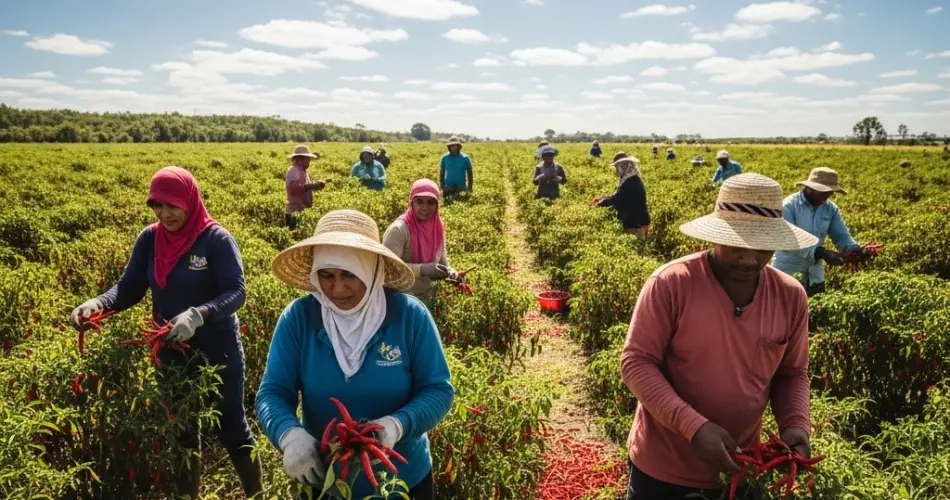
Growing chili peppers is a rewarding experience, offering an array of spicy and sweet varieties that bring heat, flavor, and color to your meals. But knowing when and how to harvest them is just as important as growing them. Harvesting chilis at the right time ensures you get the best flavor, heat level, and texture while also encouraging continued production.
In this guide, you’ll learn how to identify the ideal time to pick your chilis, how to harvest them correctly, and tips for preserving their flavor long after they leave the plant.
Understanding Chili Maturity and Color Changes
Chili peppers go through a natural ripening process, often changing color as they mature. While some varieties are best picked green, others develop their full flavor and heat as they ripen to red, orange, yellow, purple, or even chocolate brown.
Here are a few general maturity stages:
-
Green stage: Most chili varieties start out green. At this stage, they tend to have a milder flavor and are slightly more bitter.
-
Color change: As the fruit matures, it changes color depending on the variety. This usually signals that the flavor has deepened and the heat has increased.
-
Fully ripe: Once the chili reaches its final color, the pod is fully ripe and at peak flavor and heat.
Some gardeners harvest chilis green for a sharper taste, while others wait for full color development for a sweeter or hotter profile. The choice depends on your personal taste and intended culinary use.
Best Time to Harvest Chilis
The timing of your harvest depends on the variety of chili and how you plan to use them.
1. Check the Seed Packet or Variety Information
Different varieties have different maturation times, typically ranging from 60 to 100 days after transplanting. Check your seed packet or variety guide for estimated days to maturity.
2. Visual and Physical Clues
-
Size: The chili should reach the expected mature size for its variety.
-
Color: For many types, color change is the clearest sign of ripeness.
-
Firmness: Ripe chilis should feel firm and crisp, not soft or wrinkled.
-
Glossiness: A shiny, vibrant appearance is a good indicator of readiness.
-
Separation from stem: A ripe chili often snaps off the plant easily or with a gentle twist.
If you’re unsure, try harvesting one and tasting it. You’ll quickly learn what level of ripeness you prefer.
Harvesting Techniques
Chilis are delicate fruits, and improper harvesting can damage both the fruit and the plant.
1. Use Clean Scissors or Pruners
-
Use sharp, sterilized scissors or garden snips to cut the stem just above the fruit, leaving a short piece of stem attached.
-
This method minimizes the risk of breaking branches or damaging nearby fruits.
2. Avoid Pulling or Twisting
Pulling chilis off the plant can snap stems, break branches, or cause injury to developing fruits. Always use a gentle, controlled method of removal.
3. Harvest Regularly
-
Frequent picking encourages the plant to produce more fruit.
-
Don’t leave overripe or rotting chilis on the plant, as they can attract pests and diseases.
How to Handle Hot Varieties Safely
If you’re growing hot chili varieties like jalapeños, cayennes, or habaneros, take a few precautions during harvest:
-
Wear gloves to prevent capsaicin (the compound responsible for heat) from irritating your skin.
-
Avoid touching your face or eyes during or after harvesting.
-
Wash hands thoroughly after handling hot peppers—even if gloves were used.
After the Harvest: Storage and Preservation Tips
Once picked, chilis can be stored or preserved in a number of ways:
1. Fresh Storage
-
Store chilis in a perforated bag in the refrigerator’s crisper drawer.
-
They will stay fresh for up to two weeks.
2. Drying
-
String hot chilis and hang them in a well-ventilated area to air dry.
-
Alternatively, use a dehydrator for quicker results.
-
Once dried, store in airtight containers away from light and moisture.
3. Freezing
-
Wash, dry, and freeze whole or chopped chilis in airtight freezer bags.
-
Blanching is optional but not necessary.
4. Pickling and Fermentation
-
Pickled chilis can last for months and add a tangy heat to dishes.
-
Fermentation brings depth of flavor and can be used to make hot sauces.
Tips for Better Chili Harvests
-
Fertilize wisely: Use a low-nitrogen, high-potassium fertilizer to support flowering and fruiting.
-
Water consistently: Inconsistent watering can cause blossom end rot or bitter flavors.
-
Support the plants: Use stakes or cages if plants are heavy with fruit to avoid breakage.
Final Thoughts
Harvesting chilis at the right time brings out the full character of each variety—whether you prefer them mild and grassy or fiery and bold. By learning to recognize the signs of ripeness and handling the harvest carefully, you’ll get the most flavor and yield from your chili plants. Whether used fresh, dried, or preserved, homegrown chilis are a flavorful addition to your kitchen all season long.


