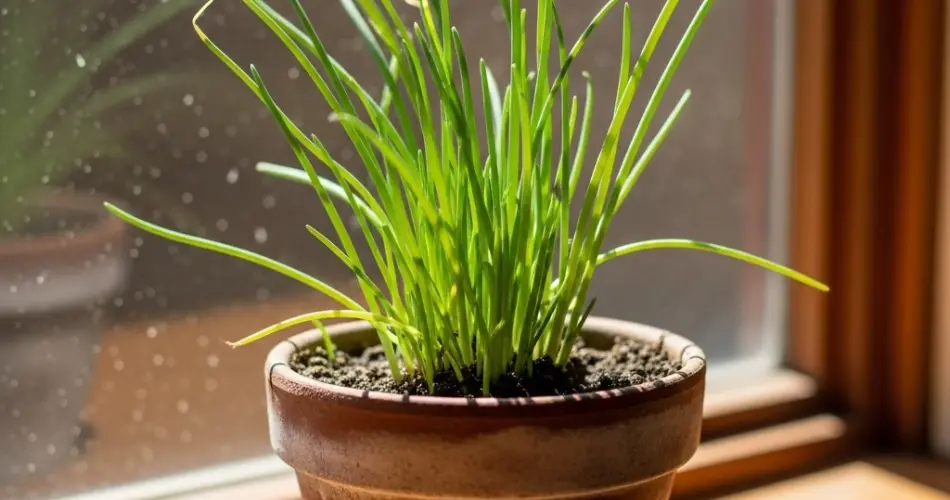
Chives are one of the most rewarding herbs to grow at home. Their slender green stalks, mild onion flavor, and delicate purple flowers make them both attractive and useful in the kitchen. Best of all, chives are incredibly easy to grow in containers, meaning you don’t need a sprawling garden to enjoy a steady supply. With the right pot, soil, and care, you can harvest fresh chives anytime—right from your balcony, windowsill, or kitchen counter.
Why Grow Chives in Containers?
Container gardening allows you to control the growing environment and keep herbs close at hand. Chives adapt beautifully to pots because of their compact growth habit and shallow root system. Unlike some sprawling herbs, they don’t demand large amounts of space, making them ideal for small apartments or homes with limited outdoor access.
Another benefit of container gardening is accessibility. Having chives in a pot near your kitchen means you can snip fresh leaves while cooking, adding instant flavor to salads, soups, eggs, and sauces. By keeping them close, you’ll also be more likely to care for them and harvest regularly, which promotes healthy, bushy growth.
Choosing the Right Container
When growing chives in containers, size and drainage are the most important factors. A pot at least 6–8 inches deep is ideal, as this provides enough space for the roots to establish without being too large to move around easily.
Ensure the container has drainage holes to prevent waterlogging, which can damage the roots. Terra cotta pots are excellent choices because they allow the soil to breathe, though plastic or ceramic containers work well too. If you want to grow several herbs together, consider a wide planter where chives can share space with parsley, basil, or thyme.
Best Soil for Chives
Chives thrive in a loose, well-draining potting mix. Garden soil should be avoided, as it tends to compact in containers and can suffocate roots. A high-quality potting mix enriched with compost or organic matter will provide both nutrients and proper texture.
For an extra boost, you can mix in a handful of perlite or sand to improve drainage. Chives are hardy plants and not overly demanding, but giving them good soil at the start helps them stay productive over the long term.
Light and Temperature Needs
Chives are sun-loving herbs that grow best with at least six hours of direct sunlight each day. A south-facing windowsill or a balcony that receives bright light is perfect. If you are growing indoors and natural light is limited, a small grow light can supplement their needs.
Temperature is rarely a concern for container-grown chives. They thrive in typical household conditions, with an ideal range between 60–75°F (15–24°C). They can tolerate cooler temperatures but may slow down growth in winter.
Watering and Feeding
Consistency is key when watering chives. The soil should remain lightly moist but never soggy. Check by touching the top inch of soil—if it feels dry, it’s time to water. Overwatering can lead to root rot, while underwatering may cause leaves to wilt and lose flavor.
Chives are not heavy feeders, but they appreciate an occasional boost. Use a diluted liquid fertilizer once a month during the active growing season. Organic options like fish emulsion or compost tea are excellent choices that support healthy, green growth.
Harvesting Chives
One of the joys of growing chives in containers is being able to harvest anytime you need them. Use clean scissors to snip leaves from the base of the plant, leaving at least 2 inches above the soil so they can regrow quickly. Regular harvesting not only provides you with fresh herbs but also encourages the plant to produce more leaves, keeping it lush and bushy.
Chives also produce beautiful round purple flowers in late spring or early summer. These blooms are edible, with a mild onion flavor that works wonderfully in salads, herb butters, or as a garnish. If you prefer stronger leaf growth, pinch off flower stalks as they appear to redirect energy back into the leaves.
Simple Maintenance Tips
Container-grown chives require little care once established. Here are some easy ways to keep them thriving:
-
Rotate pots occasionally so all sides receive even sunlight.
-
Trim regularly to keep plants bushy and prevent overcrowding.
-
Refresh soil once a year by removing the top layer and replacing it with fresh compost.
-
Divide clumps every 2–3 years to maintain healthy growth and prevent the plants from becoming too dense.
Year-Round Harvests
With proper care, container-grown chives can provide fresh harvests nearly all year. In colder climates, you can move pots indoors before frost to extend their growing season. Indoors, they will continue producing leaves as long as they receive enough light and water.
For continuous harvests, consider staggering your planting—starting seeds or divisions in different pots at different times. This ensures that while one pot recovers from a heavy harvest, another is ready to provide fresh leaves.
Conclusion
Chives are one of the simplest and most rewarding herbs to grow in containers. They require little space, minimal tools, and just a bit of sunlight and water to thrive. By keeping them close to your kitchen, you’ll always have fresh, flavorful greens ready to enhance your meals. Whether you are an experienced gardener or just starting out, container-grown chives make it easy to harvest anytime and enjoy a steady supply of this versatile herb year-round.


