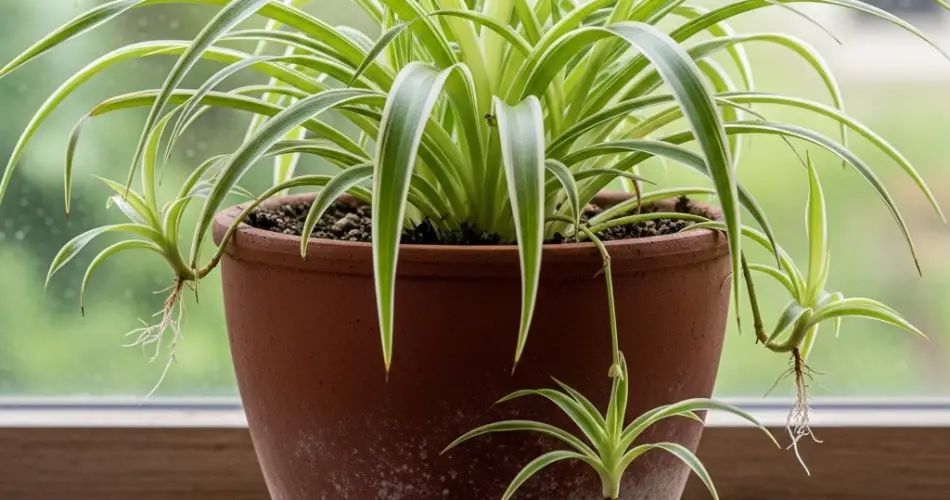
Spider plants (Chlorophytum comosum) are among the most versatile and attractive indoor plants you can grow. With their arching, ribbon-like leaves and cascading plantlets, they add movement and freshness to any space. One of the best ways to showcase their beauty is by hanging them in stylish indoor pots. This not only elevates their visual appeal but also makes care easier by allowing the leaves and runners to grow freely.
Whether you’re decorating a sunny kitchen, a cozy living room, or even a well-lit bathroom, hanging spider plants can fit seamlessly into your interior design. Here’s how to grow them successfully while making them a standout feature in your home.
1. Why Choose Hanging Pots for Spider Plants?
Spider plants naturally produce long, graceful stems that bear small plantlets, often called “babies” or “pups.” In a traditional pot on a shelf, these tend to droop onto surfaces, but in a hanging pot, they can cascade naturally, creating a flowing display.
Hanging pots also:
-
Free up counter and floor space
-
Provide better air circulation around the leaves
-
Keep the plant safe from pets that might chew on the foliage
-
Allow more light exposure by positioning them near windows or bright corners
2. Picking the Perfect Hanging Pot
When choosing a pot, consider both style and practicality.
Material Options:
-
Ceramic or clay – Adds weight and stability; available in many finishes for a stylish look.
-
Plastic – Lightweight and easy to hang, with many color options.
-
Woven baskets – Add a rustic or bohemian touch, often used with a plastic liner.
Drainage Is Essential:
Spider plants dislike sitting in soggy soil. Always choose a pot with drainage holes. If your favorite decorative pot doesn’t have them, place the plant in a smaller nursery pot with holes and use the decorative pot as a cachepot.
3. Best Soil for Hanging Spider Plants
Spider plants thrive in a well-draining, nutrient-rich potting mix. A standard indoor potting soil works well, but you can improve drainage by mixing in:
-
Perlite
-
Orchid bark
-
Coarse sand
This prevents water from pooling around the roots, reducing the risk of root rot.
4. Light Requirements Indoors
Spider plants prefer bright, indirect light. Hanging them near an east- or north-facing window often works best. They can tolerate lower light but may grow more slowly and produce fewer plantlets. Avoid placing them in direct midday sunlight, which can scorch their leaves.
If natural light is limited, especially in winter, a grow light can help maintain healthy growth.
5. Watering Hanging Spider Plants
Watering frequency will depend on your indoor climate. Use the “finger test” to check soil moisture—insert your finger about an inch deep into the soil. If it feels dry, it’s time to water.
When watering hanging plants:
-
Take them down if possible and water over a sink to avoid dripping.
-
Water until you see excess draining from the bottom.
-
Empty the saucer or outer pot to prevent standing water.
Spider plants are more tolerant of underwatering than overwatering, so when in doubt, wait a day or two before adding more water.
6. Feeding for Lush Growth
During the active growing season (spring through early autumn), feed spider plants with a balanced liquid houseplant fertilizer every 4–6 weeks. Reduce feeding in winter when growth slows. Overfertilizing can cause leaf tip burn, so always dilute fertilizer according to package instructions.
7. Encouraging and Managing Plantlets
One of the joys of growing spider plants is watching them produce long stems filled with baby plants. If you want more plantlets:
-
Ensure the plant is getting enough light.
-
Avoid overfertilization, which can sometimes delay plantlet production.
You can leave plantlets attached for a full cascading effect or trim and root them in water or soil to grow new plants.
8. Styling Ideas for Hanging Spider Plants
Hanging spider plants offer endless styling possibilities:
-
Macrame hangers – Perfect for a bohemian or natural aesthetic.
-
Metal or geometric holders – Great for modern, minimalist spaces.
-
Layered hanging displays – Combine spider plants with trailing pothos, ivy, or string of pearls for visual variety.
-
Corner hangers – Fill an empty corner with lush greenery.
For a dramatic look, position multiple spider plants at varying heights.
9. Common Care Tips for Healthy Growth
-
Trim brown leaf tips to keep the plant looking fresh (often caused by fluoride in tap water—use filtered or rainwater if possible).
-
Repot every 1–2 years when roots become crowded.
-
Keep temperatures between 60–75°F (15–24°C).
-
Avoid placing them near heat vents or cold drafts.
10. Final Thoughts
Hanging spider plants in stylish indoor pots brings a mix of beauty and practicality to your home. They’re forgiving, fast-growing, and adaptable, making them an ideal choice for both new and experienced plant lovers. By selecting the right pot, giving them proper light, and maintaining a simple care routine, you can enjoy their graceful, cascading foliage year-round.
With a little creativity, these classic houseplants can become striking décor pieces that also improve indoor air quality—proof that houseplants can be both ornamental and functional.


