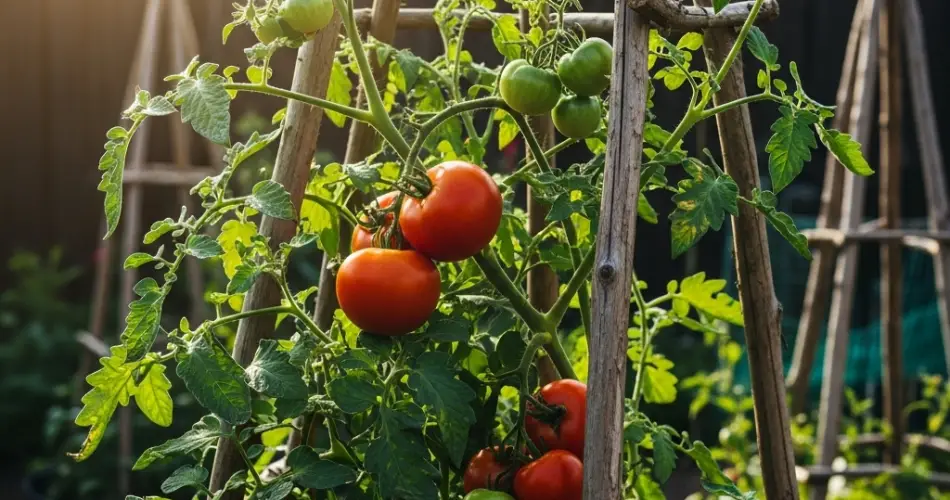
Tomatoes are one of the most rewarding crops for home gardeners. Whether you have a spacious backyard or just a small patch of soil, the sight of vines heavy with bright red fruit is always a delight. However, tomato plants need support to grow strong, stay healthy, and produce generously. A wooden trellis is a simple, sturdy, and eco-friendly solution that keeps plants upright, saves space, and makes harvesting easier. For beginners, building and using a wooden trellis is a manageable project that can transform a tomato garden into a thriving and organized growing space.
Why Use a Wooden Trellis for Tomatoes?
Tomato plants naturally sprawl along the ground if left unsupported. While this may work in open fields, it often leads to problems in home gardens:
-
Disease risk: Fruits and leaves touching damp soil are more prone to rot and fungal diseases.
-
Pest exposure: Crawling insects easily access low-lying fruit.
-
Lower yield: Plants spend more energy spreading than producing.
-
Messy harvest: Searching through tangled vines makes harvesting difficult.
A wooden trellis solves these problems by training tomato vines to grow vertically. This not only saves space but also improves airflow, reduces disease risk, and allows plants to focus on producing healthy, abundant fruit.
Choosing the Right Trellis Design
Wooden trellises come in many forms, and the choice depends on the type of tomato you grow.
-
For determinate (bush) tomatoes: These compact plants benefit from a simple wooden frame or ladder-style trellis.
-
For indeterminate (vining) tomatoes: These grow tall and continuously, requiring stronger, taller trellises such as A-frames or vertical panel designs.
A classic A-frame trellis is ideal for beginners because it is easy to construct, stable, and supports heavy vines on both sides. For small spaces, a flat vertical trellis made from a wooden frame and wire mesh works well.
Building a Wooden Trellis
You don’t need to be a professional carpenter to make a sturdy trellis. With basic tools and inexpensive materials, you can build one over a weekend. Here’s a simple method:
Materials Needed:
-
Untreated wooden stakes or boards (at least 6–8 feet tall)
-
Crossbars or wooden slats
-
Screws or nails
-
Drill or hammer
-
Optional: garden twine or wire mesh for extra support
Steps:
-
Mark planting rows where your tomatoes will grow.
-
Drive wooden stakes into the soil about 2–3 feet deep for stability. Place them 3–4 feet apart.
-
Attach crossbars horizontally between the stakes, creating a ladder-like frame.
-
For added support, tie garden twine vertically or diagonally to guide vines as they climb.
The structure should be strong enough to hold the weight of mature plants, which can become surprisingly heavy when loaded with fruit.
Planting and Training Tomatoes
Plant your tomatoes 18–24 inches apart at the base of the trellis. As they grow, gently tie the main stems to the trellis using soft ties, fabric strips, or garden twine. Avoid tying too tightly, as stems need room to expand. For indeterminate varieties, pruning side shoots (also called suckers) helps direct energy toward fruit production and keeps the trellis organized.
Watering and Feeding
Tomatoes grown on trellises still need consistent care. Provide deep watering at the base of the plants to encourage strong root development. Mulching with straw or dried leaves helps retain moisture and prevent weeds. Regular feeding with compost tea or an organic fertilizer rich in potassium and phosphorus supports flowering and fruiting.
Benefits of Trellis-Grown Tomatoes
Using a wooden trellis offers multiple advantages beyond tidiness:
-
Healthier plants: Better airflow reduces fungal diseases.
-
Bigger harvests: Upright growth directs energy into fruit production.
-
Easier harvesting: Fruits are visible and accessible.
-
Efficient space use: Vertical growing saves room in small gardens.
-
Eco-friendly option: Wooden trellises are natural, reusable, and blend beautifully into a garden.
Common Mistakes to Avoid
Beginners may face challenges, but most are easy to prevent:
-
Weak structures: Flimsy trellises may collapse under heavy vines. Always build strong and anchor posts securely.
-
Neglecting training: If vines are not tied regularly, they may sprawl, defeating the purpose of the trellis.
-
Overcrowding: Planting too close restricts airflow and invites disease. Stick to proper spacing.
-
Skipping pruning: Allowing too many side shoots creates tangled growth and fewer fruits.
Harvesting Trellis-Grown Tomatoes
The reward for your effort is a plentiful harvest of clean, ripe tomatoes. Since fruits hang off the ground, they are less likely to suffer from rot or pest damage. Pick tomatoes when they are firm, fully colored, and slightly soft to the touch. Regular harvesting encourages continuous production throughout the season.
Final Thoughts
For beginner gardeners, growing tomatoes on wooden trellises is a practical and rewarding method. It requires a bit of initial effort in building and training but pays off with healthier plants, larger harvests, and a more organized garden. Whether you choose a simple ladder-style frame or a sturdy A-frame, a wooden trellis can transform your tomato-growing experience from tangled chaos into a thriving vertical garden.
With sunlight, proper watering, and regular care, your trellis-grown tomatoes will reward you with fresh, juicy fruits all season long—proof that even a basic wooden structure can make a big difference in your gardening success.


