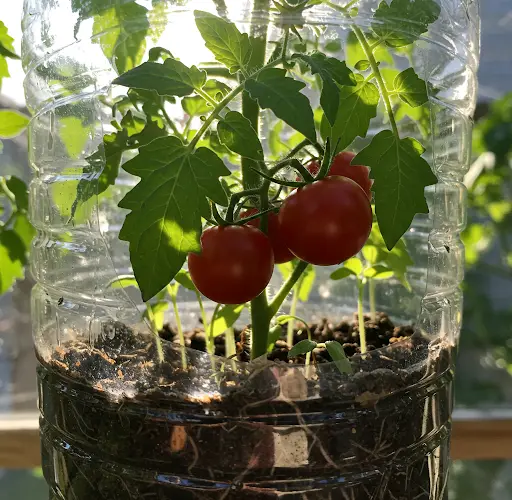
Growing tomatoes at home might sound like a daunting task that requires a garden, special tools, and a lot of space, but the truth is, you can easily grow tomatoes right in your home using just a few small plastic bottles. With this method, you can enjoy fresh, homegrown tomatoes throughout the season, even if you live in a small apartment or lack a traditional garden.
Whether you’re a beginner or an experienced gardener, this simple technique will help you grow plenty of tomatoes with minimal effort and maximum results.
Why Plastic Bottles?
Plastic bottles are one of the best materials for container gardening because they are:
-
Readily available and free: No need to buy expensive pots or planters.
-
Lightweight and easy to handle: You can easily move your plants around to find the best sunlight.
-
Space-saving: Perfect for small spaces like balconies, windowsills, or countertops.
-
Eco-friendly: Using plastic bottles helps reduce waste by recycling them into something useful.
By using these simple containers, you can grow a variety of vegetables and herbs, but tomatoes in particular thrive in this setup, producing abundant fruit without needing a large garden area.
Materials You’ll Need
To start growing tomatoes in plastic bottles, gather the following materials:
-
Several plastic bottles (1.5L to 2L sizes work well)
-
A sharp knife or scissors
-
Potting soil or compost
-
Tomato seeds or young tomato plants (dwarf or compact varieties work best)
-
A small amount of organic fertilizer (optional)
-
Water
-
String or wire for hanging (optional)
-
A sunny spot for the bottles to sit or hang
Step-by-Step Guide to Growing Tomatoes in Plastic Bottles
Step 1: Prepare the Bottles
Start by cleaning the plastic bottles thoroughly and removing any labels. Using a sharp knife or scissors, cut the top off the bottle, leaving a few inches from the base. This will serve as the planting area. Alternatively, you can cut a window in the side of the bottle to create an opening for your tomato plant.
Next, make a few small drainage holes in the bottom of the bottle. This is essential to prevent water from accumulating and causing root rot.
Step 2: Add Potting Soil
Fill the bottom of the bottle with potting soil or compost. A good-quality soil will help your tomato plants establish strong roots and grow healthy fruit. Add enough soil so that it fills about half of the bottle.
If you have organic fertilizer, you can mix a small amount into the soil. Tomatoes are heavy feeders, so giving them some added nutrients will encourage growth.
Step 3: Plant the Tomatoes
Plant your tomato seedlings or seeds in the prepared bottle. If you’re using seeds, plant them about 1/4 inch deep into the soil and cover them lightly. If you’re using seedlings, dig a small hole and gently plant the seedling into the soil, pressing the soil around it to ensure it is secure.
Tomatoes benefit from being planted deep, as the stems will grow roots along the buried part, giving the plant a stronger foundation.
Step 4: Water and Maintain
After planting, water the tomato plant thoroughly. Ensure that the soil is moist but not soaking wet. Place the bottle in a sunny location, such as a windowsill, balcony, or patio, where the plant can receive at least 6 hours of direct sunlight daily.
Tomato plants need regular watering, but avoid overwatering, as this can lead to waterlogged soil and root rot. Check the soil every few days and water when it feels dry to the touch.
Step 5: Support the Plant as It Grows
As your tomato plant grows, it will need support. You can use a small stake or a piece of string to gently tie the plant to the bottle. This will help the plant stay upright as it produces fruit.
Tomato plants also benefit from regular pruning. Remove any dead or yellowing leaves to encourage healthier growth. Pruning also helps the plant focus its energy on producing fruit rather than growing excess foliage.
How to Maximize Your Tomato Harvest
1. Rotate the Bottles: If you’re growing multiple bottles, rotate them regularly to ensure that all the plants get an even amount of sunlight.
2. Feed Your Tomatoes: If your plants are in soil, they may need additional fertilizer during the growing season. Use an organic tomato fertilizer or compost tea to keep them well-fed.
3. Watch for Pests: While tomatoes are generally low-maintenance, keep an eye out for common pests like aphids or whiteflies. If you notice any, remove them manually or use a gentle, natural insecticide like neem oil.
4. Harvesting: Tomatoes typically take 55-85 days to mature, depending on the variety. When the tomatoes turn a rich, deep color (red, yellow, or orange), they are ready to be harvested. Pick them gently to avoid damaging the plant.
Benefits of Growing Tomatoes in Plastic Bottles
-
Saves Space: Plastic bottles take up minimal space, making them perfect for small living environments or urban gardening.
-
Continuous Harvest: With proper care, you can grow tomatoes year-round, providing a continuous supply of fresh produce.
-
Cost-Effective: You don’t need to spend much on pots, soil, or fertilizer. By reusing plastic bottles and using organic methods, you can grow tomatoes on a budget.
-
Eco-Friendly: Growing your own food reduces your reliance on store-bought produce, and using recycled plastic bottles helps reduce waste.
Conclusion
Growing tomatoes at home using just a few small plastic bottles is an easy and rewarding way to enjoy fresh, healthy fruit year-round. With minimal investment, you can create a thriving mini-garden in any space. Whether you’re a seasoned gardener or a complete beginner, this simple method will allow you to enjoy homegrown tomatoes with little effort and maximum yield.
So, grab those plastic bottles, some soil, and tomato seeds, and start growing your own delicious tomatoes today. The results will surprise you!


