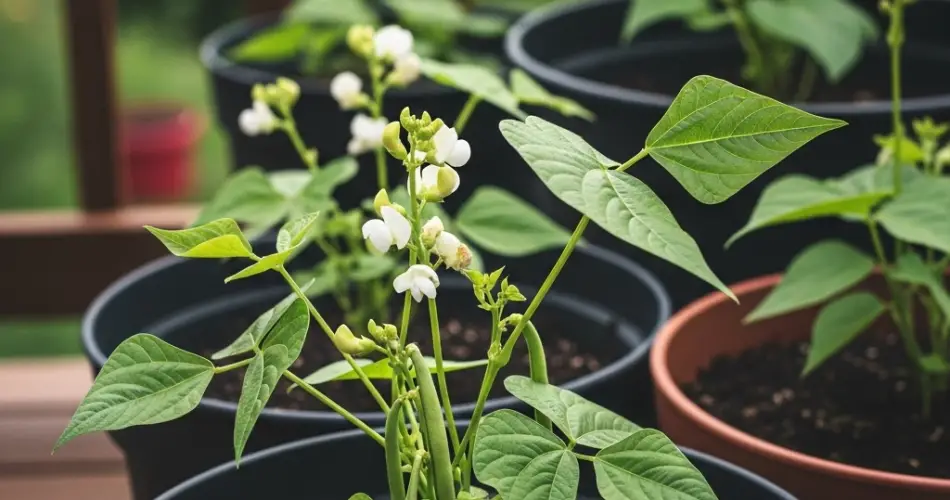
String beans, also known as green beans or snap beans, are a rewarding crop for container gardening. With minimal space requirements and relatively low maintenance, they’re perfect for patios, balconies, or even sunny windowsills. Whether you choose bush varieties or climbing pole beans, growing string beans in containers can yield a generous harvest throughout the season.
Here’s everything you need to know to grow string beans successfully in pots and containers.
Why Grow String Beans in Containers?
Container gardening offers several advantages, especially for those with limited space:
-
Mobility: You can move the container to ensure optimal sunlight or protect it from harsh weather.
-
Pest control: Containers make it easier to manage pests and soilborne diseases.
-
Space-saving: Vertical growing options, especially with pole beans, maximize harvest in a compact footprint.
-
Soil control: You can use high-quality potting mix tailored to your beans, without worrying about poor garden soil.
Choosing the Right Variety
There are two main types of string beans, and both can be grown in containers:
-
Bush beans: These are compact, self-supporting plants ideal for small containers. They produce all at once, making them great for a quick harvest.
-
Pole beans: These are climbing varieties that need support but produce continuously over a longer period. Perfect for vertical gardens or trellises.
Popular bush bean varieties for containers include ‘Contender’, ‘Provider’, and ‘Blue Lake Bush’. For pole beans, try ‘Kentucky Blue’, ‘Fortex’, or ‘Scarlet Runner’.
Selecting the Right Container
String beans don’t have deep root systems, but they do appreciate space:
-
Container size: Choose a pot that is at least 12 inches deep and 12–18 inches wide. Larger containers allow for better root development and moisture retention.
-
Drainage: Ensure the pot has drainage holes to prevent root rot.
-
Material: Fabric grow bags, plastic pots, and ceramic containers all work well. Just ensure they’re durable and suitable for outdoor use.
For pole beans, consider using a tall container and adding a stake, trellis, or cage to support vertical growth.
Soil and Planting
Use a light, well-draining potting mix that retains moisture but doesn’t stay soggy. A mix containing peat moss, compost, and perlite or vermiculite is ideal.
Planting tips:
-
Direct sow the seeds rather than transplanting, as beans don’t like root disturbance.
-
Sow seeds 1 inch deep and 2–3 inches apart.
-
Thin seedlings to about 4–6 inches apart once they’ve sprouted to reduce competition.
For pole beans, plant 3–4 seeds around each support structure (such as a teepee trellis).
Sunlight and Temperature
Beans need full sun to thrive—at least 6 to 8 hours of direct sunlight daily. Place your container in the sunniest spot available, such as a south-facing balcony or patio.
The ideal temperature for bean growth is between 70°F and 85°F (21°C–29°C). Avoid planting too early in spring; wait until the risk of frost has passed.
Watering and Feeding
Beans like consistent moisture but dislike soggy soil. Water when the top inch of soil feels dry, and aim for deep, thorough watering rather than shallow splashes.
Feeding tips:
-
Use a balanced liquid fertilizer (such as 10-10-10) every two weeks once the plants start flowering.
-
Alternatively, mix compost or slow-release organic fertilizer into the soil at planting time.
Avoid overfeeding with nitrogen-rich fertilizers, which can cause lush leaves but few pods.
Supporting Pole Beans
Pole beans need a support system to climb. Options include:
-
Bamboo stakes arranged in a teepee
-
A vertical trellis attached to a wall or railing
-
Tomato cages for compact climbing varieties
Guide young vines gently toward the support as they grow to help them establish early.
Pest and Disease Management
While beans are relatively pest-resistant, container gardens are not immune. Watch for:
-
Aphids and spider mites: These small insects can be sprayed off with water or treated with insecticidal soap.
-
Slugs: Use barriers or organic bait if they appear.
-
Fungal diseases: Prevent by watering at the base and avoiding wet foliage.
Good airflow around your container and regular maintenance help reduce the risk of problems.
Harvesting Your Beans
Beans are usually ready for harvest 50–60 days after planting, depending on the variety. Pick pods when they’re:
-
Bright green
-
Firm
-
Around 4–6 inches long
-
Slightly flexible, but not tough
Frequent harvesting encourages the plant to produce more pods. Don’t let beans become too mature or they’ll lose their tenderness and flavor.
Final Thoughts
Growing string beans in containers is a practical and productive way to enjoy fresh vegetables even in small spaces. With just a bit of care—sunlight, regular watering, and timely harvesting—you’ll be rewarded with crisp, flavorful beans throughout the season. Whether you choose bush beans for compact convenience or pole beans for vertical abundance, container gardening makes it easy to bring the garden to your doorstep.


