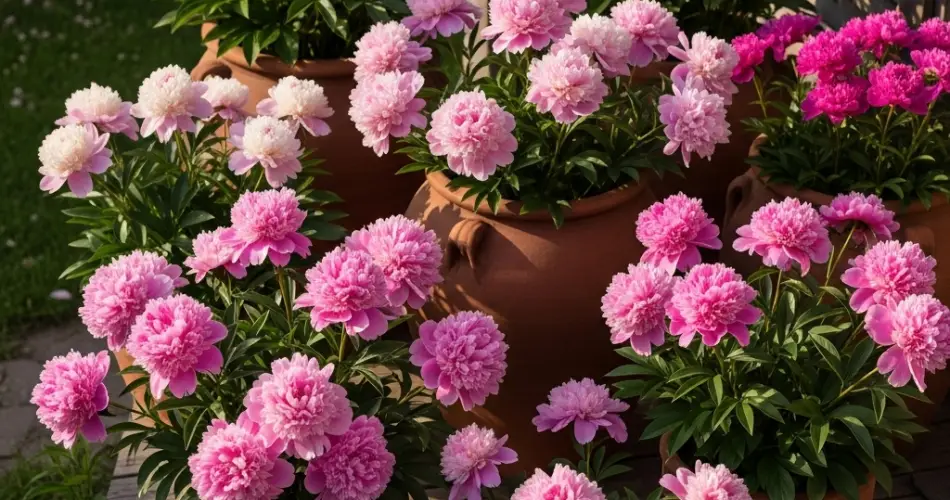
Peonies are beloved for their lush, fragrant blooms and timeless elegance in gardens, but many people don’t realize that they can also thrive in containers. Growing peonies in pots can be a great solution if you have limited garden space, want to control soil conditions, or simply love the idea of having them on your patio or balcony. While container-grown peonies do require a bit more care and attention than those in the ground, they can reward you with beautiful blooms year after year when planted and maintained properly.
Here’s what you need to know to successfully grow peonies in containers.
Choose the Right Type of Peony
Not all peonies are ideal for container growing. The best types are:
-
Herbaceous peonies – These die back in winter and reemerge in spring. They’re compact and easier to manage in pots.
-
Itoh or intersectional peonies – A hybrid between herbaceous and tree peonies, these have a sturdy, bushy form and can perform well in containers.
-
Avoid tree peonies – These grow large and are better suited for garden beds due to their woody stems and extensive root systems.
Look for dwarf or compact varieties, which naturally stay smaller and won’t overwhelm your container.
Select a Large Enough Container
Peonies have deep, fleshy roots and require space to grow. Choose a pot that is:
-
At least 18–24 inches deep
-
Minimum 20 inches wide
-
Made of a durable material like terracotta, wood, or plastic with drainage holes
Larger containers not only accommodate the root system but also provide better insulation from extreme temperature fluctuations.
Use the Right Soil Mix
Peonies need well-draining soil with good fertility. Use a high-quality potting mix and amend it if needed. A recommended blend is:
-
60% potting mix
-
20% perlite or coarse sand (for drainage)
-
20% compost or aged manure (for nutrients)
Avoid using garden soil in containers, as it tends to compact and retain too much moisture, which can cause root rot.
How to Plant Peonies in Containers
-
Fill the pot halfway with your soil mix.
-
Place the peony root or plant so that the eyes (buds) are about 1–2 inches below the surface. Planting them too deep can prevent blooming.
-
Backfill with soil and gently firm it down.
-
Water thoroughly to help settle the soil and eliminate air pockets.
If you’re using a peony already growing in a nursery pot, gently loosen the roots before transferring it to the larger container.
Sunlight Requirements
Peonies need at least 6 hours of full sun daily to bloom well. Morning sun is ideal, especially in hot climates, to help dry dew and reduce fungal risk.
Place the container in a bright, sunny location—such as a patio, balcony, or rooftop garden. Rotate the pot occasionally to encourage even growth on all sides.
Watering and Fertilizing Peonies in Pots
Peonies in containers dry out more quickly than those in the ground, so consistent watering is essential.
-
Water when the top inch of soil feels dry, especially during active growth and bloom season.
-
Avoid waterlogging the soil, which can lead to root rot.
-
Use a balanced fertilizer (10-10-10 or similar) in early spring when growth begins, and again after flowering to support root development.
-
Stop fertilizing by late summer to allow the plant to harden off for winter.
Winter Care for Container Peonies
Peonies need a cold dormancy period to bloom well the following year, but container-grown plants are more vulnerable to freezing temperatures.
-
In mild winter climates, containers can stay outdoors. Mulch the soil surface with straw or bark to protect the roots.
-
In colder regions, move the pot to an unheated garage or sheltered location where temperatures stay cool but not freezing.
-
Avoid bringing peonies into a heated indoor space over winter—they require chill hours to reset their growth cycle.
Once spring arrives, return the pot outdoors and begin watering as the plant awakens from dormancy.
Deadheading and Pruning
After blooming, remove spent flowers (deadheading) to prevent seed formation and redirect energy to the roots.
In fall, cut herbaceous peonies back to ground level after the foliage yellows. This helps prevent overwintering pests and diseases. For Itoh peonies, remove dead foliage and prune lightly to shape.
Repotting and Long-Term Maintenance
Peonies can live for many years in containers, but they may need to be repotted every 3–5 years as the roots expand and soil nutrients are depleted.
-
Repot in fall or early spring before growth resumes.
-
Gently lift the root ball and inspect for any signs of rot or overcrowding.
-
Refresh the soil mix and move the plant into a slightly larger container if needed.
Enjoying Peonies in Pots
Container-grown peonies make stunning focal points on patios, terraces, and entryways. Their blooms are ideal for cutting and bringing indoors. By following these care steps—especially regarding proper sunlight, watering, and seasonal maintenance—you can enjoy the beauty of peonies even without a traditional garden bed.
Growing peonies in containers may take a little extra attention, but the reward of full, fragrant blooms is well worth the effort.


