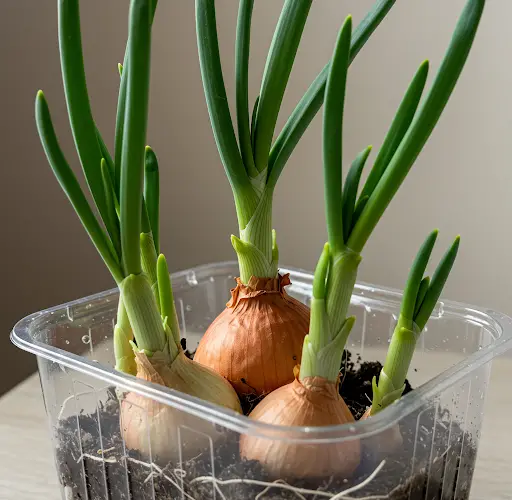
Growing Onions Without Soil: Smart, Cheap, and Easy Methods Anyone Can Try
Onions are a staple in almost every kitchen, used in countless dishes around the world for their flavor, aroma, and nutritional value. But did you know that you can grow onions at home without using any soil at all? That’s right—no garden, no mess, and very little cost. Whether you’re short on space or just looking for a fun and educational project, growing onions without soil is a clever and satisfying solution.
This technique, known as hydroponic or water-based growing, is perfect for small spaces like kitchens, balconies, or apartments. With just a few everyday materials, you can grow green onion tops or even small bulbs that are fresh, clean, and chemical-free.
Why Grow Onions Without Soil?
There are several benefits to growing onions hydroponically:
-
Clean and mess-free: No soil means no dirt or pests to worry about.
-
Space-saving: Ideal for indoor or small-space gardening.
-
Low-cost: Uses recycled containers and kitchen scraps.
-
Fast results: Green onion shoots regrow quickly in water.
-
Great for beginners: Easy to maintain and great for learning how plants grow.
What You’ll Need
The supplies for growing onions without soil are simple and affordable:
-
Onion bulbs or kitchen scraps (the rooted end of a green onion or small onion sets)
-
Clean glass jars, plastic bottles, or cups
-
Toothpicks (optional, for support)
-
Fresh, clean water
-
A sunny window or a spot with natural light
Step-by-Step Guide to Growing Onions in Water
1. Select Your Onions
You can grow onions in water using either full onion bulbs or the white rooted base of green onions (scallions). For beginners, green onion scraps are perfect since they sprout quickly and can be harvested in just days.
If you’re using whole small onion bulbs, make sure they’re firm and healthy. If they have small green shoots or visible roots, even better—they’re already eager to grow.
2. Prepare the Container
Choose a clear glass or cup so you can easily monitor root growth and water levels. If using a full bulb, insert a few toothpicks around the bulb to suspend it above the water in the jar, so only the root end touches the water. If using green onion bases, simply place them upright in the water with roots submerged.
Tip: Don’t fully submerge the entire onion—just cover the roots or base to avoid rotting.
3. Place in a Sunny Spot
Onions need light to grow well. Place your container near a sunny window where it can get at least 6–8 hours of light daily. Natural light is best, but a grow light can also be used if sunlight is limited.
Within a few days, you’ll notice green shoots starting to grow. In the case of green onions, you can begin harvesting the shoots in as little as 7–10 days.
4. Change Water Regularly
To keep your onions healthy and prevent odor or bacteria buildup, change the water every 2–3 days. Rinse the container and refill it with clean, room-temperature water.
Over time, the roots will grow longer and stronger, and the green tops will flourish. For bulbs, you may even notice small onions beginning to form at the top.
5. Harvest and Regrow
Once your green onion shoots reach about 6 inches tall, you can start snipping them with scissors as needed. Leave at least an inch above the base so they can regrow.
You can repeat this harvesting cycle several times. After a few regrowths, the onion may slow down, at which point you can compost it or plant it in soil if you wish to extend its life further.
Creative Growing Ideas
Here are some fun variations to try:
-
Plastic Bottles: Cut plastic water bottles into short cups and place onion bulbs inside. It’s an eco-friendly way to recycle plastic while growing food.
-
Mason Jars: Use multiple jars to create a little onion-growing station on your windowsill.
-
Egg Cartons with Water Reservoirs: Place onion pieces in small compartments with just a splash of water for compact growing.
Troubleshooting Tips
-
Onions turning mushy: Ensure the bulb isn’t too deep in water. Only the roots should be submerged.
-
Foul smell: Change the water more frequently and rinse the roots.
-
No growth: Check light levels and make sure your onion bulbs are viable (not too old or dried out).
Final Thoughts
Growing onions without soil is a smart, sustainable, and surprisingly fun gardening technique. It’s an ideal way for anyone—especially beginners or those with limited space—to enjoy fresh greens and learn the basics of plant care. Not only is it budget-friendly, but it also encourages reuse and reduces kitchen waste.
Whether you’re looking to supplement your meals with fresh green onion shoots or just want a low-maintenance indoor garden project, this method is well worth trying. With just a few basic supplies and a bit of sunlight, you can transform ordinary onion scraps into vibrant, living produce right in your own kitchen.


