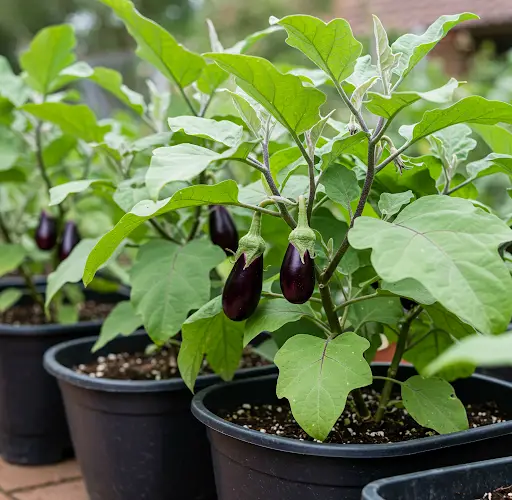
[Terrace Garden Ideas] Growing Eggplants in Plastic Containers
Eggplants, also known as aubergines or brinjals, are a versatile and nutritious vegetable that can be easily grown in containers. If you live in an apartment or have limited garden space, your terrace or balcony can become a productive growing area for fresh eggplants. Using plastic containers is a smart, budget-friendly way to start your own eggplant crop right at home.
This guide covers everything you need to know about growing healthy, productive eggplant plants in plastic containers—even in compact spaces.
Why Grow Eggplants in Containers?
Growing eggplants in plastic containers offers several benefits:
-
Space-saving: Ideal for terraces, patios, or balconies.
-
Mobility: Containers can be moved to chase sunlight or protect plants from harsh weather.
-
Pest and soil control: You have better control over soil quality and can avoid ground-dwelling pests.
-
Water efficiency: Containers retain moisture well, especially if mulched.
Plastic containers are widely available, lightweight, and durable. Reusing old buckets or storage bins is also an eco-friendly option that saves money.
Choosing the Right Eggplant Variety
Not all eggplant types are equally suited for containers. For best results, choose compact or dwarf varieties such as:
-
‘Little Finger’
-
‘Patio Baby’
-
‘Slim Jim’
-
‘Fairy Tale’
These types require less space, produce well in containers, and mature faster than large traditional varieties.
What You’ll Need
To grow eggplants in containers, you’ll need:
-
Plastic containers (minimum 10–15 liters in volume)
-
Good quality potting mix
-
Organic compost or aged manure
-
Eggplant seeds or healthy seedlings
-
Organic fertilizer
-
Support sticks or small trellis (optional)
-
Mulch (dried leaves, straw, or coconut husk)
-
Watering can or hose with a gentle spray
Preparing the Containers
Choose a container that’s at least 12 inches deep and 12–15 inches wide to allow sufficient root development. Buckets, paint cans, or plastic storage bins can be repurposed as planters.
-
Drainage: Drill several holes at the bottom for proper drainage. Eggplants dislike soggy roots.
-
Cleaning: Wash the containers thoroughly to remove any residue or chemical traces if reusing them.
Preparing the Soil
Eggplants prefer well-draining, fertile soil. Prepare a mix with the following ratio:
-
2 parts potting soil or garden soil
-
1 part compost or aged cow dung
-
1 part sand or perlite (for aeration and drainage)
Add a handful of organic fertilizer (such as bone meal or neem cake) to boost nutrient availability.
Planting the Eggplants
If starting from seeds:
-
Sow 2–3 seeds in the center of the container, about 1/2 inch deep.
-
Water gently and keep the container in a warm, sunny spot.
-
After germination, thin out the weaker seedlings, leaving the strongest one.
If using seedlings:
-
Transplant one healthy seedling into each container.
-
Plant it slightly deeper than it was in the nursery pot to encourage strong root growth.
Water thoroughly after planting.
Light and Temperature Needs
Eggplants need 6–8 hours of direct sunlight daily. Place your containers in the sunniest spot on your terrace. If possible, rotate them every few days for uniform exposure.
Eggplants are warm-season plants and thrive in temperatures between 70–85°F (21–29°C). Protect young plants from strong winds by placing them near a wall or using windbreaks.
Watering and Feeding
Keep the soil consistently moist, but avoid overwatering. Eggplants are sensitive to both drought and waterlogging.
-
Water deeply when the top inch of soil feels dry.
-
Use mulch to retain moisture and reduce weed growth.
Feed the plants with a balanced organic fertilizer every 2–3 weeks. Once flowers appear, switch to a fertilizer higher in potassium and phosphorus to support fruit development.
Supporting the Plant
Some eggplant varieties grow tall and may become top-heavy as fruits develop. Use a wooden stick or small trellis to support the plant. Tie the main stem gently using soft twine or cloth strips.
This prevents breakage and helps keep the fruits off the ground.
Pest and Disease Control
Common pests include aphids, whiteflies, and spider mites. Use neem oil spray or insecticidal soap as a natural remedy. Regularly inspect the undersides of leaves and remove any infected foliage.
To avoid fungal diseases:
-
Water at the base of the plant.
-
Maintain good air circulation.
-
Remove yellow or wilted leaves.
Harvesting
Eggplants are ready for harvest when:
-
The skin is glossy and smooth.
-
The fruit has reached its ideal size (varies by variety).
-
The skin springs back slightly when pressed with a finger.
Cut the fruit with a sharp knife or pruning shears—don’t twist or pull.
Harvest regularly to encourage more fruit production throughout the season.
Final Thoughts
Growing eggplants in plastic containers is a fantastic way to enjoy homegrown vegetables, even in small spaces. With a little planning, regular care, and the right growing conditions, you can harvest beautiful, flavorful eggplants from your terrace garden.
This method is ideal for beginners and experienced gardeners alike—no fancy equipment needed, just a bit of creativity and attention. Try it out this season and bring fresh, homegrown flavor to your kitchen straight from your terrace!


