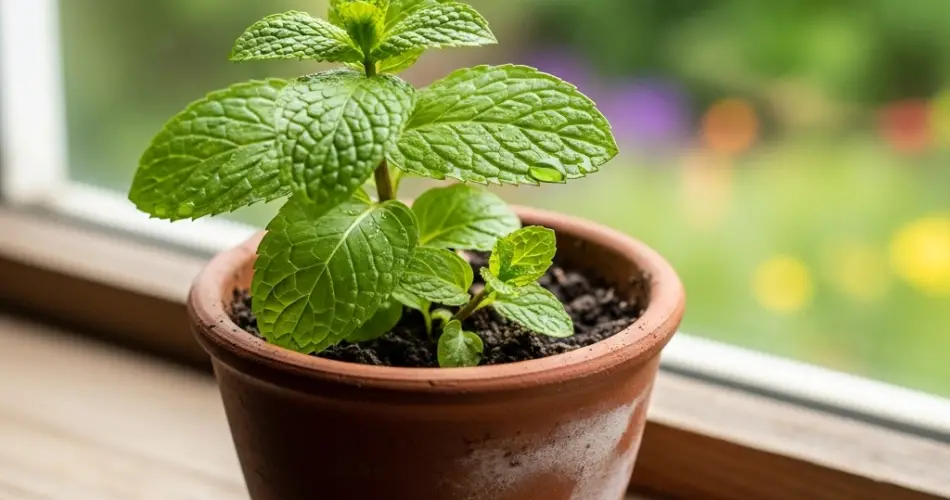
Mint is a favorite among herb gardeners for its refreshing flavor, versatility in the kitchen, and ease of growth. From peppermint and spearmint to chocolate mint and apple mint, each variety offers its own unique taste and aroma. However, one of the biggest challenges when growing mint is its invasive nature. Once planted in the ground, mint spreads rapidly through underground runners, often overwhelming other plants.
To enjoy different mint varieties without them overtaking your garden—or blending into one another—the best solution is to grow them in separate pots. Container growing not only keeps each type of mint contained, but also allows you to manage their care more effectively. With the right setup and routine maintenance, you can cultivate multiple mint varieties side by side and enjoy their distinct flavors all year long.
Why Grow Mint in Separate Pots?
Mint plants are vigorous growers. If planted together in the same pot or garden bed, their root systems quickly tangle and compete for space, leading to overcrowding and stunted growth. Additionally, flavors can mingle when varieties share the same soil, resulting in a muddled taste rather than the clear distinction you expect from peppermint, spearmint, or other cultivars.
By growing each variety in its own pot, you ensure that the flavors remain pure, the plants stay healthy, and you can harvest the unique qualities of each type whenever you like.
Choosing the Right Pots
Since mint spreads outward rather than downward, wide pots are more effective than deep ones. A container that is 10–12 inches wide and 8–10 inches deep gives mint plenty of room to thrive. Terracotta and ceramic pots are excellent choices because they allow for airflow and moisture balance, but sturdy plastic containers are equally suitable and easier to move around.
Drainage is crucial for potted mint. Always choose containers with drainage holes to prevent water from pooling at the bottom. Without proper drainage, mint roots can quickly develop rot.
Preparing the Soil
Mint prefers moist but well-draining soil that is rich in organic matter. A good-quality potting mix with compost is ideal. To prevent compaction and improve airflow, mix in perlite or vermiculite.
Mint grows best in soil with a neutral to slightly acidic pH, ideally between 6.0 and 7.0. While mint is a hardy plant that adapts to different conditions, preparing the soil well ensures healthier, longer-lasting plants.
Planting Different Varieties
When planting different mint varieties, keep them in their own pots to maintain distinct flavors. For example, peppermint has a sharp, cooling taste, while spearmint is sweeter and milder. Chocolate mint has a unique hint of cocoa, while apple mint carries fruity notes. By separating them, you can appreciate each variety in its pure form.
To plant, fill each container with soil, leaving about an inch of space at the top. Place the plant in the center, gently spread its roots, and cover them with soil. Water thoroughly to help the plant settle in.
Sunlight and Placement
Mint thrives in partial to full sun, needing at least 4–6 hours of sunlight daily. Place pots on a patio, balcony, or near the kitchen for easy access. In very hot climates, providing some afternoon shade prevents leaves from scorching.
Indoors, a bright windowsill works well. If natural sunlight is limited, supplement with a grow light to ensure steady growth.
Watering Needs
Mint loves moisture but does not tolerate soggy soil. Keep the soil consistently damp, watering when the top inch feels dry. In hot weather, this may mean watering once a day, while cooler conditions may require less frequent watering.
Be careful to water at the base of the plant rather than on the leaves to prevent fungal problems. Using a saucer under the pot is fine, but make sure to empty any standing water after each watering.
Pruning and Harvesting
Regular pruning is essential for keeping potted mint bushy and productive. Once your mint reaches about 6 inches in height, pinch off the tips of the stems above a pair of leaves. This encourages branching and prevents the plant from becoming leggy.
Harvest mint regularly by snipping leaves or stems as needed, but avoid removing more than one-third of the plant at a time. If flowers begin to form, pinch them off immediately. Flowering reduces the flavor of mint leaves and signals the plant to slow leaf production.
Fertilizing for Healthy Growth
Mint doesn’t need heavy fertilizing, but occasional feeding helps maintain strong growth. Apply a balanced, water-soluble fertilizer every 4–6 weeks during the growing season. Organic options such as compost tea or liquid seaweed are excellent choices.
Avoid over-fertilizing, as this can lead to rapid, weak growth with diluted flavor. Moderate feeding is best for flavorful and healthy mint.
Managing Common Issues
Even in separate pots, mint can encounter issues such as yellowing leaves, pests, or fungal diseases. Yellow leaves usually indicate overwatering or poor drainage, while drooping plants may signal underwatering. Adjusting your watering schedule often solves these problems.
Pests like aphids, spider mites, and whiteflies may appear occasionally. Check your plants regularly and use organic insecticidal soap or rinse leaves with water to control infestations. Keeping the plant pruned and healthy reduces the risk of pest attacks.
Enjoying the Variety
By growing different mint varieties in separate pots, you can enjoy a diverse collection of flavors. Peppermint is perfect for teas and desserts, spearmint complements salads and savory dishes, chocolate mint adds a unique twist to desserts, and apple mint makes a refreshing garnish. Each type brings its own personality to the kitchen.
With proper potting, soil preparation, pruning, and care, your mint plants will thrive without overwhelming your garden or losing their distinct flavors. Growing mint in separate pots ensures you’ll always have the perfect type on hand to enhance your cooking, drinks, and fresh herbal creations.


