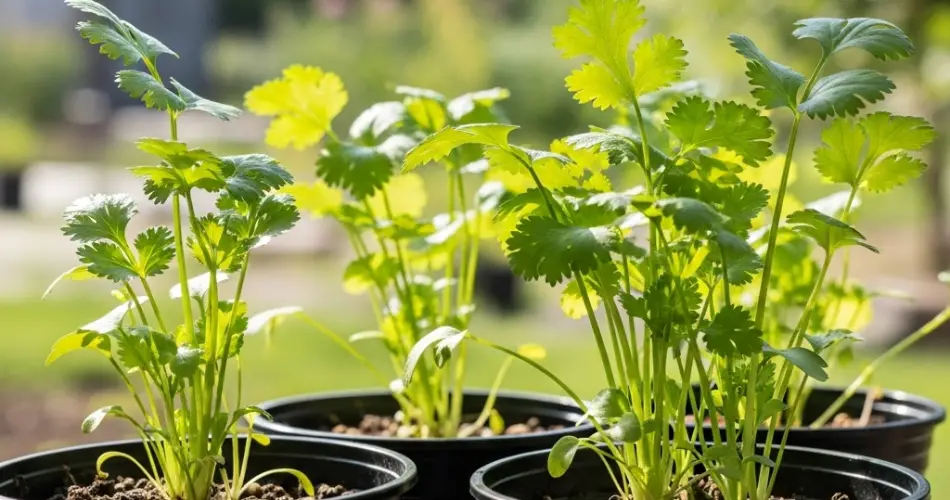
Cilantro, also known as coriander in many parts of the world, is a flavorful herb that adds a fresh, citrusy note to a variety of dishes. From Mexican salsas and Indian curries to Southeast Asian soups and Middle Eastern salads, cilantro’s unique taste makes it a staple in many cuisines. Fortunately, it’s easy to grow in containers, making it perfect for balconies, patios, and even sunny windowsills.
Container gardening offers control over soil, sunlight, and watering, allowing you to harvest fresh cilantro whenever you need it. With the right techniques, you can enjoy multiple harvests throughout the growing season.
Why Grow Cilantro in Containers?
Cilantro has a relatively short life cycle and is known for bolting quickly (producing flowers and seeds) in hot weather. Growing it in containers allows you to move it around to cooler or shadier spots, which helps prolong the harvesting period.
Potted cilantro is also ideal for small spaces, as it doesn’t require a large area to thrive. It’s a great choice for beginner gardeners or anyone looking to keep herbs within arm’s reach of the kitchen.
Choosing the Right Container
Cilantro has a long taproot, so it needs a container that’s deep enough to accommodate it. For best results, choose:
-
A pot that’s at least 8–10 inches deep
-
12–18 inches wide to allow for a healthy spread
-
Drainage holes to prevent root rot
Clay or plastic pots both work well, but make sure they have adequate drainage. Rectangular window boxes also work nicely if you want to plant multiple rows.
Best Soil for Cilantro
Cilantro prefers loose, well-draining soil rich in organic matter. Use a high-quality potting mix and consider adding a handful of compost or aged manure for added nutrients.
Ideal soil conditions:
-
pH between 6.2 and 6.8
-
Light texture to allow roots to expand easily
Avoid using garden soil, which can compact in containers and reduce drainage.
Planting Cilantro
Cilantro is best grown from seed because it doesn’t transplant well due to its long root system. Here’s how to get started:
-
Fill your container with moistened potting mix.
-
Sow seeds about ¼ to ½ inch deep and 1 inch apart.
-
Lightly cover with soil and water gently.
-
Keep the soil consistently moist until germination, which takes about 7–10 days.
Once the seedlings are a few inches tall, thin them out to 3–4 inches apart to reduce crowding and improve airflow.
Light and Temperature Needs
Cilantro thrives in cooler temperatures between 50°F and 75°F (10°C to 24°C). If you’re growing in a hot climate, consider placing the container in partial shade or moving it indoors during the hottest part of the day.
-
Provide 4–6 hours of sunlight daily for optimal growth.
-
In warm regions, morning sun and afternoon shade work best.
If growing indoors, place the pot in a bright window, preferably south-facing. A grow light can supplement natural light if needed.
Watering and Fertilizing
Cilantro likes even moisture, especially during early growth. Water regularly, keeping the soil moist but not waterlogged.
Tips for watering:
-
Water when the top inch of soil feels dry.
-
Avoid overhead watering to reduce the risk of fungal diseases.
-
Always allow excess water to drain from the container.
Feed cilantro lightly every 3–4 weeks with a balanced liquid fertilizer. Avoid high-nitrogen formulas, which may cause excessive leaf growth with poor flavor.
Harvesting Cilantro
Cilantro leaves can be harvested as soon as the plant reaches 6 inches tall, usually within 3–4 weeks after planting. For a continuous supply:
-
Snip outer leaves first, allowing inner ones to continue growing.
-
Harvest regularly to delay bolting.
-
Never remove more than one-third of the plant at a time.
As the plant matures, it may begin to bolt—producing flowers and seeds. When this happens, leaf production slows and flavor diminishes. However, the seeds (called coriander) are also edible and can be harvested for use in cooking or future planting.
Successive Planting for Ongoing Harvests
Because cilantro grows quickly and bolts just as fast in warm weather, successive planting is key. Sow a new batch of seeds every 2–3 weeks to maintain a steady supply of fresh leaves.
Use multiple pots or divide a long container into sections for staggered planting. This approach ensures a rotation of plants at different growth stages.
Common Problems and Solutions
-
Bolting: Triggered by heat or long daylight hours. Use shade cloth or move pots to cooler areas.
-
Yellow leaves: Usually caused by overwatering or poor drainage.
-
Aphids or spider mites: Spray with water or use insecticidal soap to remove pests.
-
Fungal issues: Improve air circulation and avoid overhead watering.
With proper care, cilantro is relatively pest-resistant and low maintenance.
Final Thoughts
Growing cilantro in containers is a simple, rewarding way to bring fresh flavor to your kitchen. With its quick growth, minimal space requirements, and dual-purpose leaves and seeds, cilantro is a great herb for beginner and experienced gardeners alike. By choosing the right container, providing ideal growing conditions, and harvesting regularly, you’ll enjoy fresh, vibrant cilantro from your own patio or windowsill for much of the year.


