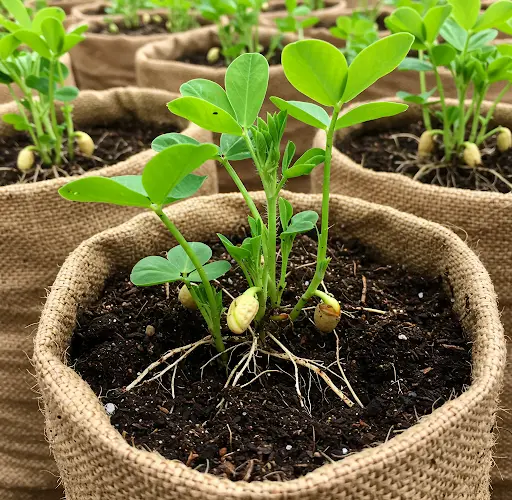
Peanuts are already a popular homegrown crop, but have you ever considered growing black peanuts? This unique variety offers not only a rich, nutty flavor but also a boost in nutritional value. Known for their dark purplish-black skins, black peanuts are packed with antioxidants and have a deeper, more robust taste compared to their conventional counterparts.
Best of all, growing black peanuts at home is surprisingly simple. Whether you have a garden bed, a few containers, or just a sunny patch of soil, you can enjoy a harvest of these specialty peanuts with just a little planning and care.
What Are Black Peanuts?
Black peanuts are a rare heirloom variety known for their striking dark-colored skins. While they look unusual, the color is completely natural and comes from anthocyanins—powerful antioxidants also found in foods like blueberries and black rice.
These peanuts have a sweet, nutty taste and are often softer when roasted. In addition to their delicious flavor, they offer numerous health benefits, including:
-
High antioxidant content
-
Rich in healthy fats
-
Good source of protein and fiber
-
Support for heart and brain health
Ideal Growing Conditions for Peanuts
Peanuts grow best in warm climates with well-draining, sandy or loamy soil. They require a long growing season of about 100 to 130 days of warm weather, making them well-suited to spring and summer planting in most regions.
Even if you don’t have traditional garden space, peanuts can be grown successfully in containers or raised beds, as long as they have room to spread and receive full sunlight (at least 6–8 hours per day).
What You’ll Need
-
Black peanut seeds (raw, unroasted and still in-shell or shelled with skins)
-
Loose, well-draining soil rich in organic matter
-
Compost or aged manure
-
A garden bed, raised bed, or large containers (at least 12 inches deep)
-
A trowel or hand rake
-
Mulch (optional but helpful for moisture retention)
Step-by-Step Guide to Growing Black Peanuts
Step 1: Prepare the Planting Area
Choose a sunny location with light, loose soil. Avoid compacted or heavy clay soil, as peanut plants send their flowers downward into the soil where the pods develop. You can loosen the soil by tilling and mixing in compost or sand to improve aeration and drainage.
If you’re using containers, select pots or grow bags that are at least 12–16 inches deep and wide. Fill them with a well-draining potting mix combined with compost or aged manure.
Step 2: Plant the Peanuts
You can plant black peanuts either in their shells or shelled, as long as the skin around the nut remains intact. If using whole peanuts in shells, crack them open just before planting and use only the seeds—not the shells.
Plant the seeds 1.5 to 2 inches deep and 4 to 6 inches apart in rows. Space rows about 12 inches apart to give the plants room to spread.
Water lightly after planting to settle the soil.
Step 3: Watering and Care
Peanut plants need consistent moisture, especially during flowering and pod development. Water regularly but avoid waterlogging the soil. Aim to keep the top layer moist, especially in hot weather.
Once the plants begin to flower (around 30 days after planting), the flowers will self-pollinate and bend down toward the soil. This is where peanuts are different—they actually form underground!
Lightly mulch the area to retain moisture and suppress weeds, but keep mulch away from the plant stems.
Step 4: Hilling the Soil
As the flowers peg (push into the soil), gently mound soil around the base of the plants to support pod formation. This is similar to hilling potatoes and helps protect developing peanuts.
Repeat this light hilling process every couple of weeks during the growing season to ensure optimal pod development underground.
Step 5: Harvesting Black Peanuts
Black peanuts are typically ready to harvest 100–130 days after planting. The leaves will begin to yellow, and that’s your cue that the peanuts are mature.
To harvest, carefully loosen the soil around the plant with a garden fork and gently pull the entire plant out. Shake off excess soil and allow the peanuts to air-dry while still attached to the plant for several days in a warm, dry place.
After drying, remove the pods from the plant and cure them for an additional 1–2 weeks in a well-ventilated space.
Step 6: Storing and Using Your Harvest
Once fully dried, store black peanuts in their shells in a cool, dry container. You can enjoy them raw, roasted, boiled, or even turned into homemade peanut butter.
The dark skins give black peanuts a richer flavor and extra nutritional punch—perfect for healthy snacking or creative cooking.
Final Thoughts
Growing black peanuts at home is a rewarding experience that combines sustainability, nutrition, and novelty. With just a bit of effort and some basic supplies, you can produce a unique and delicious crop right in your backyard or on your balcony.
This specialty variety not only stands out in flavor and appearance but also offers numerous health benefits. Whether you’re a gardening enthusiast or a health-conscious foodie, black peanuts are a fascinating crop worth trying in your home garden.


