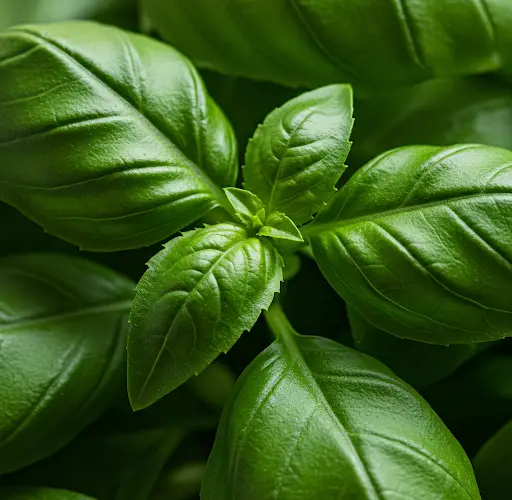
Growing your own vegetables at home doesn’t require a large garden or a green thumb. With the right approach, you can easily grow fresh, flavorful herbs like basil right in your kitchen or on a small balcony. Basil, in particular, is one of the easiest and most rewarding herbs to grow, whether you have a garden or not. Not only is it packed with flavor, but it’s also perfect for adding a fresh kick to your dishes. Here’s how you can successfully grow and harvest basil at home, even without a garden.
Why Grow Basil at Home?
Basil is a versatile herb that’s widely used in a variety of dishes, including salads, pasta, and sauces. Its fragrant leaves add a burst of freshness and a distinct taste to any meal. Growing basil at home allows you to have a fresh supply at your fingertips, ensuring that your dishes always have a fresh, homegrown touch.
Another benefit of growing basil at home is its ease of care. It’s a hardy plant that requires minimal attention, making it perfect for beginners or those without a lot of gardening experience. Plus, basil is a great herb for container gardening, meaning you don’t need a lot of space to grow it. Whether you live in an apartment or have limited outdoor space, you can easily grow basil in pots, hanging baskets, or even small containers.
Getting Started: What You Need to Grow Basil
Before you start growing basil, there are a few basic supplies you’ll need. Thankfully, they’re simple and inexpensive to obtain.
Materials:
-
A container or pot (preferably with drainage holes)
-
Basil seeds or seedlings
-
Potting soil (preferably organic)
-
A sunny spot for the plant to thrive
-
Water and a watering can
-
A pair of scissors for harvesting
Choosing the Right Container
If you’re growing basil indoors, a container or small pot with drainage holes is essential to prevent waterlogging and ensure healthy root growth. You can use plastic, ceramic, or even recycled containers—just make sure the container is large enough to allow the roots to grow and spread out. If you’re short on space, consider growing basil in a hanging basket or on a windowsill.
For outdoor gardeners, you can use larger pots, raised beds, or even window boxes to grow basil. Just make sure the location gets plenty of sunlight, as basil thrives in warm, sunny conditions.
Planting Basil: Starting from Seeds or Seedlings
You can grow basil from seeds or buy seedlings from a nursery. Starting from seeds is a more cost-effective option, but it requires a little patience. If you choose to start from seeds, plant them indoors about 6-8 weeks before the last frost of the season. Basil seeds are tiny, so make sure to plant them just below the surface of the soil. Space them out so they have enough room to grow.
Alternatively, you can purchase small basil seedlings from a local garden center or nursery. Seedlings are often more mature and can be transplanted directly into your container or garden. When transplanting seedlings, be sure to place them in a spot where they will receive 6-8 hours of sunlight each day.
Caring for Your Basil Plant
Once your basil plant is established, the care requirements are simple. Here’s how you can keep your basil healthy and productive:
Sunlight
Basil loves sunlight, so ensure it receives plenty of direct sunlight each day. Aim for at least 6-8 hours of sunlight to promote healthy growth. If you’re growing basil indoors, place it near a sunny window or use a grow light to supplement natural light.
Watering
Basil prefers slightly moist soil, but it doesn’t like to be waterlogged. Water your plant when the top inch of the soil feels dry to the touch. Be sure to water thoroughly until excess water drains out of the bottom of the container. During hot weather, basil may need more frequent watering, but avoid letting the plant sit in water, as this can cause root rot.
Temperature
Basil grows best in warm temperatures, ideally between 70°F and 85°F (21°C to 29°C). Avoid placing your basil in areas where it will be exposed to cold drafts or frost. If you live in a cooler climate, it’s best to grow basil indoors or in a greenhouse where the temperature can be controlled.
Pruning
Regular pruning encourages bushier growth and more leaves, which means more basil for your kitchen. Pinch off the top sets of leaves to promote lateral branching. As the plant grows, trim any flowers that begin to form, as flowering can reduce the flavor of the leaves. If you want to keep your basil plant compact and productive, trim the stems back regularly.
Harvesting Your Basil
One of the best parts of growing basil at home is harvesting it and using it in your cooking. Once your basil plant has grown to a sufficient size, you can begin harvesting the leaves. To do this, simply pinch or cut the leaves at the top of the plant, leaving a few inches of stem to encourage more growth.
It’s important not to remove too many leaves at once, as this can stress the plant. Instead, harvest basil leaves regularly throughout the growing season, and your plant will continue to produce fresh leaves. For the best flavor, harvest basil in the morning when the oils in the leaves are most concentrated.
If your plant begins to flower, remove the flowers as they appear. This will not only keep the plant looking tidy but will also help the basil continue to produce flavorful leaves.
Tips for Growing Basil Successfully
-
Space: If you’re growing multiple basil plants, make sure to space them about 12 inches apart to allow for healthy growth and airflow.
-
Fertilizer: Basil generally doesn’t need much fertilizer, but if your plant looks like it’s struggling, you can feed it with a balanced, organic fertilizer once every few weeks.
-
Companion Planting: Basil is known to grow well with other herbs and vegetables such as tomatoes, peppers, and oregano. It may help improve the flavor of nearby plants and can act as a natural pest repellent.
Conclusion
Growing basil at home is a simple and rewarding experience, even if you don’t have a garden. With just a few materials and a sunny spot, you can enjoy fresh basil all year long. Whether you’re a beginner or an experienced gardener, basil is an excellent herb to grow indoors or on a small balcony. By following these easy steps, you’ll soon have a thriving basil plant that provides a continuous harvest of fresh, fragrant leaves to enhance your meals.


