The Forbidden Cookies: Too Sinful to Go Unnoticed
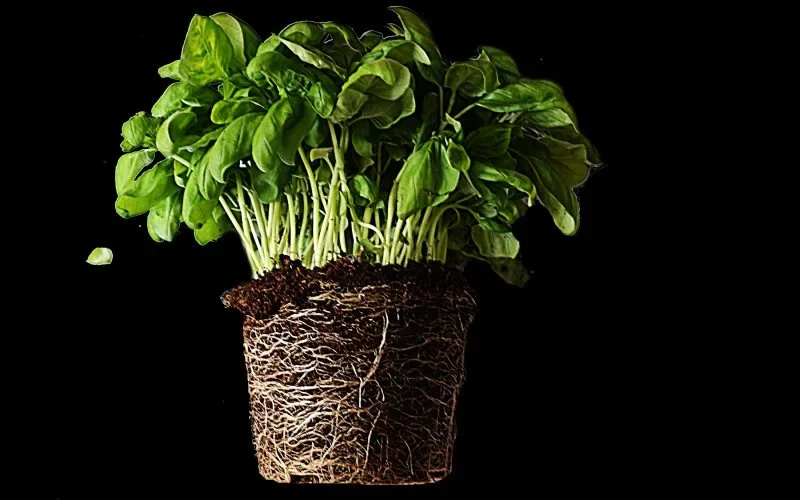
Basil (Ocimum Basilicum) is a highly versatile aromatic plant originating from Asia. It has widespread use not only in cooking but also in herbal preparations.
Being an annual plant, it provides leaves throughout the year. There are various varieties of basil, each differing in the intensity of fragrance and leaf characteristics.
For example, Cinnamon Basil (or Mexican basil) has a hint of cinnamon, while Lemon Basil (Ocimum Basilicum Citriodorum) has a lemony fragrance.
The most distinctive variety is Red Basil (with purple leaves), although it’s more decorative and less flavorful than others.
How to Grow Basil Indoors
The ideal month to plant seeds of this fragrant plant is spring, around March or April, depending on temperatures. Basil doesn’t tolerate very low temperatures (below 10°C) well.
While it’s best to plant it in an outdoor garden, it can also thrive in a pot. You have two options: planting seeds or a young plant.
If you choose a young plant, make sure the weather is warm enough. If not, it’s recommended to wait until late April or May. Regardless of seeds or plants, leave some distance between them.
Always use organic-rich soil and keep it consistently moist, avoiding water stagnation. If you’re concerned about the soil drying too quickly, consider mulching. Mulching involves covering the soil around the plant with something that prevents sunlight from passing through, such as bits of bark, to prevent the unintentional growth of other herbs, often weeds.
Caring for the Plant
Ensure the plant receives good sunlight for at least 6-8 hours a day. If kept outside, bring the pot indoors or protect it if the temperature drops significantly overnight. Placing the pot among other plants that can provide shade is a good move.
Pruning Flowers
Basil produces flowers, which are edible. As soon as you notice flowering, cut the inflorescence at the base. If the plant flowers, it may lose aroma, and the leaves will soon dry.
Harvesting Leaves
Don’t harvest too many leaves when the plant is still young. When using them, cut with scissors or pluck them gently. Make sure not to strip the plant of all its leaves, always leaving some.
Watering
In addition to the advice given above, check the stem and leaves regularly. If there’s excessive water causing stagnation (due to rain or overwatering), you might notice rot (Pythium) or blackened parts on the stem (Fusarium). Most often, restoring proper soil moisture is sufficient.
You might also observe yellowing on the leaves and gray mold, indicating Peronospora disease. Various remedies are available, with phosphorus and copper-based solutions being commonly used.
As a final tip, be mindful of insects, especially snails, which enjoy feasting on basil leaves!